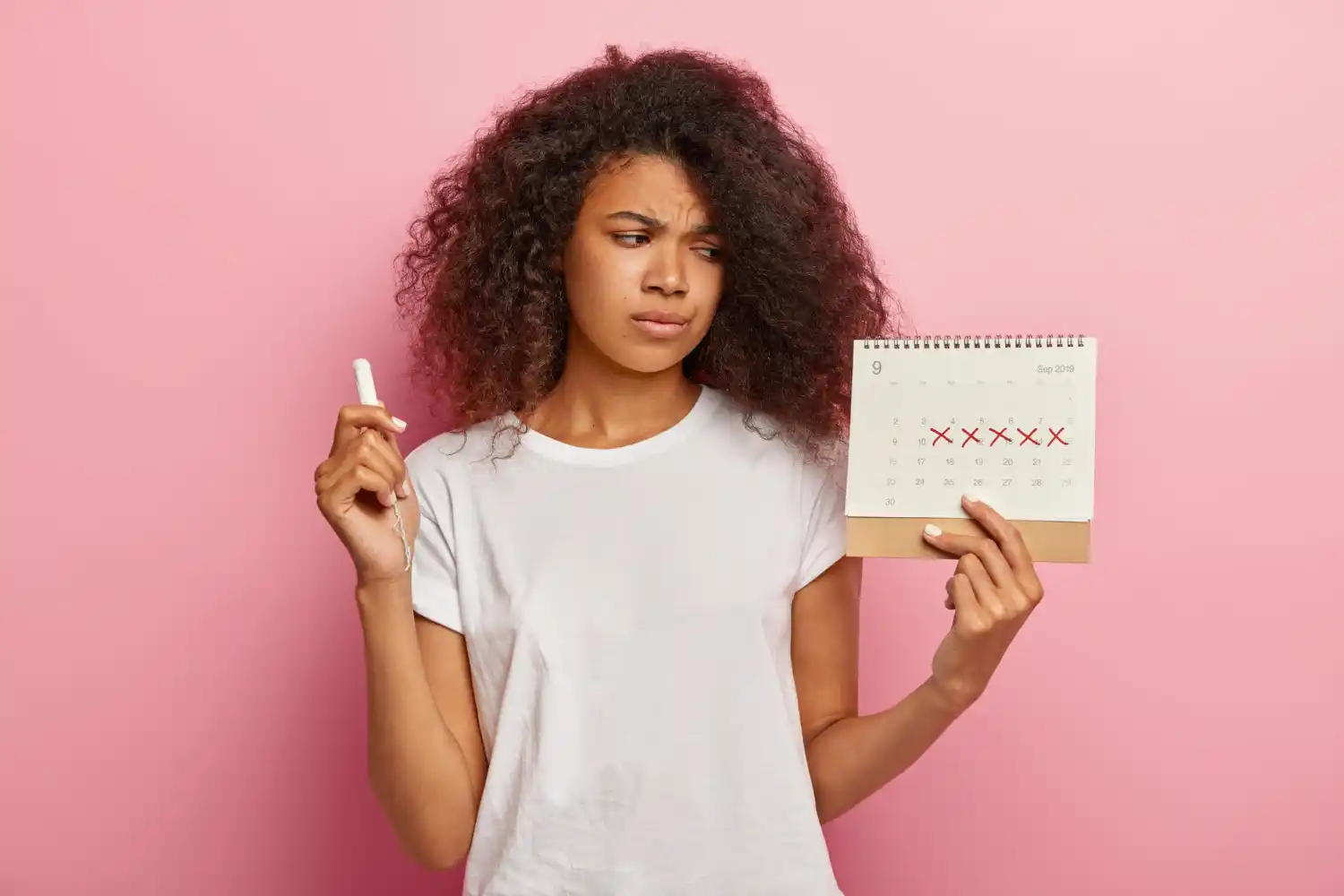
Getting your first period can be a confusing and maybe even a little scary time. But don't worry, it's a completely natural part of growing up and becoming a woman! It's something almost every girl experiences, and it's nothing to be ashamed of or embarrassed about. Periods, also known as menstruation, are a sign that your body is healthy and developing as it should.
This blog post will answer all your questions about periods, explaining everything you need to know in a simple and easy-to-understand way.
What Exactly Are Periods?
Every month, your body prepares for a possible pregnancy. The lining of your uterus (the womb, where a baby would grow) thickens with blood and tissue. If you don't get pregnant, your body sheds this lining, and it flows out of your vagina as blood. This is what we call a period.
Understanding Your Menstrual Cycle
Your period is a part of the menstrual cycle. This cycle is primarily controlled by hormones. Here is a breakdown of the different phases in a menstrual cycle:
- Menstruation (Days 1-7): This is when you have your period.
- Follicular Phase (Days 1-14): Your ovaries prepare an egg for release, and the uterine lining starts to thicken.
- Ovulation (Around Day 14): An egg is released from the ovary. This is when you are most fertile.
- Luteal Phase (Days 15-28): The lining of your uterus continues to thicken to prepare for a possible pregnancy. If pregnancy doesn't occur, you get your periods and the cycle starts again.
When Will I Get My First Period?
Most girls get their first period, also called menarche, between the ages of 10 and 15. However, it can happen earlier or later, and that's perfectly normal. There's no way to predict exactly when you'll get your first period, but there are some signs that it might be coming soon:
- Breast development: Your breasts start to grow and change.
- Pubic hair: You start to grow hair around your genitals.
- Vaginal discharge: You might notice a clear or white discharge in your underwear.
How Long Do Periods Last?
Periods usually last between 3 to 7 days, but this can vary from person to person and even from month to month. The flow can be light, moderate, or heavy, and it can change throughout your period.
How Often Will I Get My Period?
The time between the start of one period and the start of the next is called your menstrual cycle. The average menstrual cycle is about 28 days, but it can range from 21 to 35 days, especially in the first few years after you start getting your period.
What are Period Products?
Period products are used to absorb the blood that comes out during your period. There are different types of products available, and you can choose the one that works best for you:
- Sanitary pads: These are absorbent pads that stick to your underwear.
- Tampons: Tampons are small cylinders made of cotton that are inserted into the vagina to absorb blood.
- Menstrual cups: Menstrual cups are flexible cups made of silicone or rubber that are inserted into the vagina to collect blood.
- Period underwear: This is reusable underwear or disposable period panties with built-in absorbency.
What is Premenstrual Syndrome (PMS)?
PMS is a group of physical and emotional symptoms that some girls and women experience before their period. It's caused by hormonal changes during the menstrual cycle. Symptoms of PMS include:
- Physical: Bloating, breast tenderness, headaches, fatigue, acne
- Emotional: Mood swings, irritability, anxiety, sadness
How to Relieve PMS Symptoms
- Exercise: Regular physical activity can help reduce PMS symptoms.
- Healthy diet: Eating a balanced diet and limiting caffeine and sugar can help.
- Stress management: Practice relaxation techniques like yoga or meditation.
- Pain medication: Over-the-counter pain relievers can help with cramps and headaches.
- Talk to your doctor: If your PMS symptoms are severe, talk to your doctor.
And, What About Period Cramps?
Period cramps are pains or cramps in your lower abdomen that you might feel before or during your period. They are caused by the muscles of your uterus contracting to shed the lining. Here are some ways to relieve cramps:
- Pain medication: Over-the-counter pain relievers like ibuprofen can help.
- Heat: Applying a hot water bottle or heating pad to your lower abdomen can provide relief.
- Exercise: Gentle exercise like walking or yoga can help ease cramps.
- Warm bath: Soaking in a warm bath can relax your muscles.
Taking Care of Yourself During Your Period
- Stay hydrated: Drink plenty of water to avoid feeling bloated.
- Eat healthy foods: Focus on fruits, vegetables, and whole grains.
- Get enough sleep: Aim for 8-10 hours of sleep each night.
- Manage stress: Practice relaxation techniques like deep breathing or meditation.
Talking About Periods
It's completely normal to feel a little awkward about periods at first, but it's important to talk to someone you trust, like your parents, a sibling, a friend, a teacher, or a doctor. They can answer your questions, offer support, and help you feel more comfortable.
Summing Up
Periods are a natural part of life, and there's no need to be afraid or embarrassed. Understanding what's happening to your body and how to manage your period can help you feel more confident and comfortable.
Remember, everyone's experience with periods is different, so don't compare yourself to others. If you have any concerns or questions, don't hesitate to talk to a trusted adult or healthcare professional.
FAQs
Can I swim during my period?
Yes, you can swim during your period. Use a tampon or menstrual cup to prevent leaks.
Can I exercise during my period?
Yes, exercise can actually help relieve cramps and improve your mood.
What if I miss a period?
It's not uncommon to miss a period occasionally, especially in the first few years after you start menstruating. However, if you miss several periods in a row, talk to your doctor.
What is heavy bleeding?
Heavy bleeding, or menorrhagia, is when you soak through a pad or tampon every hour for several hours in a row. If you experience heavy bleeding, talk to your doctor.
When do periods stop?
Women stop getting their periods around the age 45-55. They are then said to have attained menopause.
How much blood do you lose during periods?
On an average, a female loses around 30-40 ml (2-3 tablespoons) of blood during periods.
What if I miss a period? Should I see a doctor?
While it is common for teens to miss periods during their initial years of periods, it is best to see you doctor if you have concerns or if you are noticing other symptoms like morning sickness and fatigue.
Want to read more health-related content? Browse through our Dawaa Dost website.
Plus, if you are looking for affordable medicines and healthcare products but don't know where to buy them, check out our medicines page where we make quality and affordable medicines accessible to all!
Image Source: Image by wayhomestudio on Freepik




 0
0