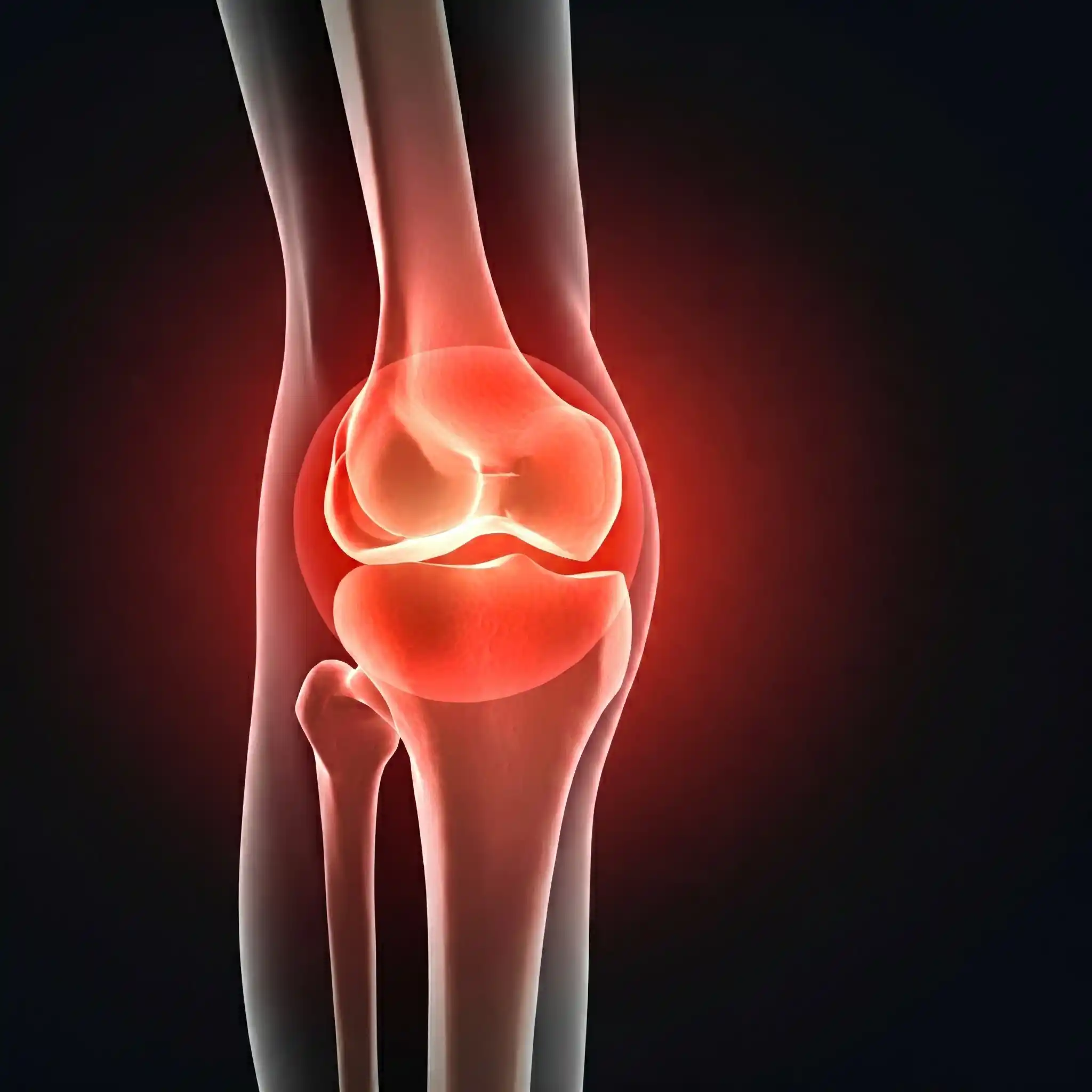
Joint pain is a common complaint that can affect people of all ages. It can range from mild discomfort to debilitating pain that limits your ability to perform everyday activities. Understanding the causes, symptoms, and treatment options for joint pain can help you find relief and improve your quality of life.
Joint Pain Causes
Joint pain can stem from a variety of factors, including:
Osteoarthritis
This is the most common type of arthritis, caused by the wear and tear of cartilage, the protective tissue that cushions the ends of bones in a joint. It often affects weight-bearing joints like the knees and hips, leading to pain, stiffness, and reduced range of motion. Risk factors include age, obesity, previous joint injury, and family history.
Rheumatoid Arthritis
This is an autoimmune disease where the body's immune system mistakenly attacks the lining of the joints (synovium), causing inflammation, pain, and stiffness. It can affect any joint, but commonly targets the hands and feet. Rheumatoid arthritis is a chronic condition that can lead to joint damage and disability if left untreated.
Gout
This form of arthritis occurs when uric acid crystals build up in the joints, leading to sudden, intense pain and swelling, often in the big toe. Gout is caused by hyperuricemia, a condition where there is too much uric acid in the blood. It can be triggered by certain foods, alcohol, and medications.
Bursitis
Bursae are small, fluid-filled sacs that cushion joints, reducing friction between bones, tendons, and muscles. Inflammation of these sacs, known as bursitis, can cause pain and tenderness. It often results from overuse, injury, or infection.
Tendinitis
This involves inflammation or irritation of a tendon, the fibrous cord that attaches muscle to bone. It often occurs in the shoulder, elbow, or wrist due to repetitive motions, overuse, or improper technique during activities.
Injury
Sprains, strains, and fractures can all cause joint pain. Sprains involve the stretching or tearing of ligaments, while strains affect muscles or tendons. Fractures are breaks in the bone.
Infections
Infections in the joint, such as septic arthritis, can cause severe pain, swelling, and redness. This is a serious condition that requires prompt medical attention.
Other Conditions
Conditions like lupus, fibromyalgia, and Lyme disease can also cause joint pain. Lupus is an autoimmune disease that can affect multiple organs, including the joints. Fibromyalgia is a chronic condition characterized by widespread pain, fatigue, and sleep disturbances. Lyme disease is a bacterial infection transmitted by ticks, and joint pain is one of its common symptoms.
Joint Pain Symptoms
Joint pain can manifest in various ways, including:
- Pain: This can range from mild to severe and may be constant or intermittent.
- Stiffness: Difficulty moving the joint, especially in the morning or after a period of inactivity.
- Swelling: Inflammation in the joint can cause visible swelling.
- Tenderness: The joint may be tender to the touch.
- Warmth: The joint may feel warm to the touch due to inflammation.
- Redness: The skin over the joint may appear red.
- Limited Range of Motion: You may not be able to move the joint through its full range of motion.
- Creaking or Grinding Sensation: You may hear or feel a creaking or grinding sensation when you move the joint.
Diagnosing Joint Pain
If you're experiencing persistent joint pain, it's important to see a doctor for diagnosis and treatment. The diagnostic process may include:
- Medical History: Your doctor will ask about your symptoms, their duration and severity, medical history, family history of joint problems, any medications you're taking, your lifestyle, and your occupation.
- Physical Examination: They will examine the affected joint(s) for signs of inflammation, tenderness, and limited range of motion. They may also assess your overall mobility and posture.
- Imaging Tests: X-rays, MRI scans, or CT scans may be used to visualize the joint and identify any damage or abnormalities. X-rays can show bone damage, while MRI scans provide detailed images of soft tissues like cartilage and tendons.
- Blood Tests: Blood tests can help rule out certain conditions, such as rheumatoid arthritis or gout. They can also detect inflammation and infection.
- Joint Aspiration: In some cases, your doctor may remove a sample of fluid from the joint for analysis. This procedure can help identify the cause of inflammation or infection.
Joint Pain Treatment Options
The treatment for joint pain will depend on the underlying cause and the severity of your symptoms. Common treatment options include:
Medications
Over-the-counter pain relievers: Joint pain tablets containing acetaminophen can help reduce pain, while NSAIDs like ibuprofen or naproxen can help reduce pain and inflammation. Topical pain relief sprays like Volini spray can also work against joint pain. It's important to use these medications as directed and to be aware of potential side effects.
Prescription medications: Your doctor may prescribe joint pain medicine such as stronger pain relievers, corticosteroids to reduce inflammation, or disease-modifying antirheumatic drugs (DMARDs) for conditions like rheumatoid arthritis to slow the progression of the disease and prevent joint damage.
Therapy
Physical therapy: A physical therapist can teach you exercises to strengthen the muscles around the joint, improve flexibility, and reduce pain. They can also use modalities like ultrasound or electrical stimulation to manage pain and inflammation and provide joint pain relief.
Occupational therapy: An occupational therapist can help you learn ways to perform daily activities without putting excessive stress on your joints. They can provide adaptive equipment and strategies to make tasks easier.
Lifestyle Modifications
Weight loss: Losing even a small amount of weight can significantly reduce stress on weight-bearing joints like the knees and hips.
Exercise: Regular exercise can help strengthen muscles, improve joint function, and maintain a healthy weight. Low-impact activities like swimming, cycling, or walking are often recommended.
Assistive devices: Canes, walkers, or braces can help support your joints and reduce pain. These devices can improve mobility and independence.
Surgery
In some cases, surgery may be necessary to repair or replace a damaged joint. This is usually considered when other treatment options have failed to provide relief. Joint replacement surgery is a common procedure for severe osteoarthritis.
Tips for Managing Joint Pain
- Apply heat or cold: Applying ice packs for 15-20 minutes at a time can help reduce inflammation, while heat can help relax muscles and ease stiffness. You can use a heating pad, warm compress, or take a warm bath.
- Rest: Avoid activities that aggravate your pain. Give your joints time to rest and recover.
- Maintain a healthy weight: Losing weight can reduce stress on your joints and improve your overall health.
- Exercise regularly: Engage in low-impact exercises like swimming, cycling, or walking to strengthen muscles and improve joint function.
- Protect your joints: Use proper body mechanics when lifting or carrying objects. Avoid repetitive motions and activities that put excessive stress on your joints.
- Get enough sleep: Adequate sleep is essential for pain management and overall health.
- Manage stress: Stress can worsen pain perception. Practice relaxation techniques like deep breathing or meditation.
When To Reach Out to Your Doctor
It's important to see a doctor if:
- Your joint pain is severe or persistent.
- You have signs of infection, such as fever, redness, or swelling.
- Your joint pain is accompanied by other symptoms, such as fatigue or rash.
- Home remedies don't provide relief.
- You experience any sudden or unexplained joint pain.
In Conclusion
Joint pain is a common problem, but it doesn't have to control your life. By understanding the causes, seeking appropriate diagnosis, and following a comprehensive treatment plan, you can effectively manage joint pain and improve your overall well-being.
Don't hesitate to consult with a healthcare professional if you have any concerns about your joint health.
FAQs
What is the most common cause of joint pain?
Osteoarthritis, a degenerative joint disease, is the most common cause of joint pain, especially in older adults. It's caused by wear and tear on the joints over time.
Can joint pain be a symptom of a serious condition?
Yes, joint pain can sometimes be a symptom of a serious underlying condition, such as rheumatoid arthritis, gout, or an infection. It's important to see a doctor for diagnosis and treatment.
How can I manage joint pain at home?
You can manage joint pain at home by applying heat or cold packs, resting the affected joint, maintaining a healthy weight, exercising regularly, and protecting your joints from excessive stress. Over-the-counter pain relievers can also provide temporary relief.
Looking for affordable medicines and healthcare products but don't know where to buy them? Check out our Dawaa Dost website, where we make quality and affordable medicines accessible to all!




 0
0