Human Papillomavirus (HPV) is one of the most common sexually transmitted infections (STIs) worldwide, yet its impact on men often remains under-discussed. While HPV is frequently associated with women due to its link to cervical cancer, men are equally susceptible to its effects, which include various cancers and genital warts.
This guide aims to shed light on HPV in men, discussing its risks, the importance of vaccination, and effective prevention strategies.
Human Papillomavirus (HPV) is a group of more than 200 related viruses. It’s one of the most common sexually transmitted infections, with nearly all sexually active individuals contracting some form of the virus during their lifetime. While most HPV infections are harmless and go away on their own, certain strains can cause significant health problems. These include genital warts, as well as cancers affecting the penis, anus, mouth, and throat.
There are two main categories of HPV strains:
While HPV infection can be transient and asymptomatic, the high-risk strains can persist in the body and cause long-term health issues if not adequately managed.
HPV is a highly contagious virus that spreads primarily through sexual contact. This includes vaginal, anal, and oral sex. Even if an infected person does not have visible symptoms like warts or lesions, they can still transmit the virus to others. It’s also important to note that HPV can be spread through intimate skin-to-skin contact outside of intercourse, making it possible to contract the virus without penetrative sex.
While sexual activity is the main route of transmission, HPV can also spread through non-sexual intimate contact, though this is much less common. In rare cases, the virus may be passed from mother to child during childbirth, leading to respiratory issues or warts in the infant.
It’s essential for men, especially those who have multiple sexual partners or engage in unprotected sex, to be aware of the high prevalence of HPV and understand the risks involved.
Although most HPV infections are self-limiting and don't result in significant health problems, some strains of the virus can lead to serious conditions.
One of the most common symptoms of low-risk HPV strains is the appearance of genital warts. These warts are growths or lumps that typically appear on the penis, scrotum, or around the anus. While not cancerous, they can cause discomfort, pain, and embarrassment. Genital warts may appear weeks or months after exposure to the virus, and in some cases, they may recur.
Men are at risk for several types of cancer caused by HPV infection, particularly those associated with high-risk strains:
Immunocompromised men, including those living with HIV, are particularly vulnerable to persistent HPV infections. In these individuals, the immune system is less effective at clearing the virus, increasing the likelihood of chronic infections and related complications such as cancer.
HPV infections are often asymptomatic, meaning many men may carry the virus without realizing it. This makes it crucial to understand the potential signs and symptoms to look out for.
These are the most obvious symptoms of an HPV infection. Warts may appear as small, flesh-colored or gray growths in the genital or anal area. They can vary in size and number, and while they are usually painless, they can be itchy or cause discomfort.
In some cases, especially with high-risk HPV, lesions or sores may develop in the throat or anal region. These can indicate the onset of HPV-related cancers, such as oropharyngeal or anal cancer.
In more advanced cases, particularly those related to cancer, men may experience ongoing pain or discomfort in the genital area, throat, or anus. If left untreated, these conditions can lead to severe health complications.
Unlike women, who have routine screenings such as Pap smears to detect HPV-related cervical changes, men don’t have a standard test for HPV. Diagnosis primarily involves recognizing symptoms and clinical examinations.
If you notice any signs of genital warts or other unusual symptoms, a healthcare provider will perform a physical examination of the affected area. This may involve examining the penis, scrotum, and anus for visible warts or lesions.
If growths are suspicious, a biopsy may be performed. This involves taking a small tissue sample from the wart or lesion to check for abnormal cells or cancer.
For men at higher risk of anal cancer, particularly those who are HIV-positive, doctors may recommend an anal Pap smear to check for precancerous cells in the anus.
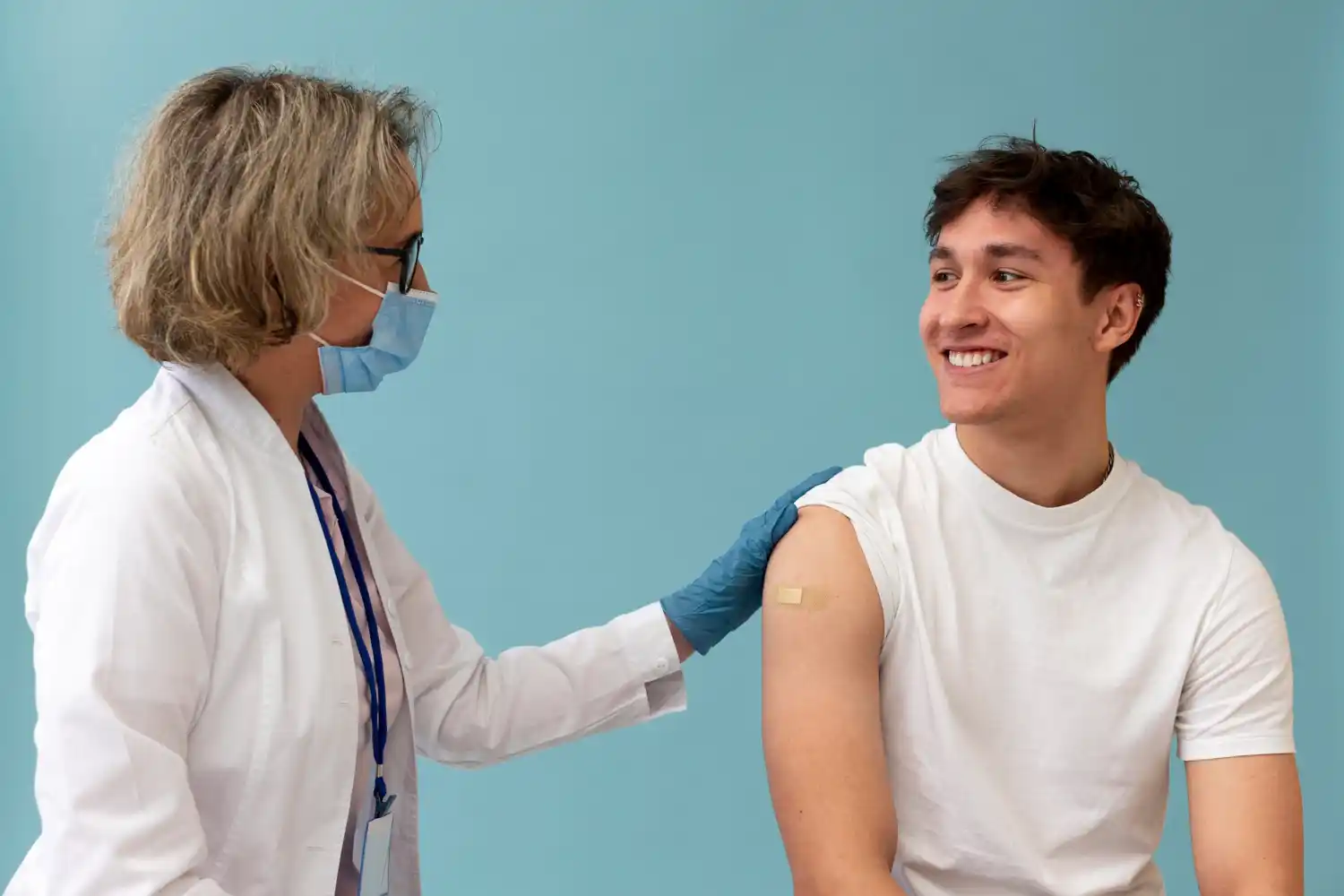
The HPV vaccine is a highly effective preventive measure. It protects against the strains of HPV most commonly associated with cancer and genital warts. For men, getting vaccinated helps:
Vaccination is most effective when administered before exposure to the virus, making early vaccination essential.
The HPV vaccine is safe, with millions of doses administered globally. Side effects are generally mild and may include soreness at the injection site, dizziness, or fatigue. Serious side effects are rare.
Aside from vaccination, several measures can reduce the risk of contracting HPV and its associated complications.
Using condoms during sexual activity can significantly reduce the risk of transmitting HPV. While condoms don’t offer complete protection (since they don’t cover all areas of the skin that may carry the virus), they do reduce the likelihood of exposure. You can find the best brands such as Manforce on Dawaadost.
Reducing the number of sexual partners decreases your chances of encountering HPV. It’s also important to engage in mutually monogamous relationships where both partners have been tested for STIs.
Routine screenings and regular visits to a healthcare provider are crucial in detecting and addressing HPV-related complications early. For men at higher risk, such as those with HIV, an annual check-up may include an anal Pap smear to monitor for signs of anal cancer.
Smoking weakens the immune system, making it more difficult for the body to clear HPV infections. Quitting smoking can improve immune function and lower the risk of developing HPV-related cancers.
Supporting your immune system through a balanced diet, regular exercise, adequate sleep, and stress management can help your body fight off HPV infections and other health threats.
Fact: HPV affects both men and women. In men, it can cause genital warts and increase the risk of several types of cancer, including penile and anal cancer.
Fact: While condoms lower the risk of HPV transmission, they don’t provide complete protection, as HPV can spread through areas not covered by the condom, such as the scrotum or surrounding skin.
Fact: Men aged 27 to 45 can still benefit from the HPV vaccine, particularly if they are at higher risk or have not been exposed to the virus.
If you’ve contracted HPV, it’s important to remember that most infections don’t result in serious health issues. With the right care and attention, many men live healthy lives even with an HPV infection. If symptoms do appear, prompt treatment can help reduce discomfort and prevent complications.
Staying informed, practicing safe sex, and discussing vaccination with your healthcare provider are key to managing HPV and ensuring long-term health.
HPV is a significant health concern for men, with potential risks ranging from genital warts to life-threatening cancers. However, awareness, vaccination, and preventive measures can go a long way in protecting against the virus.
If you haven’t already, consider getting vaccinated and discuss any concerns with your healthcare provider. Taking proactive steps today can ensure a healthier future for yourself and your partners.
Disclaimer: This article is intended for informational purposes only and should not be considered a substitute for professional medical advice. Always consult a qualified healthcare provider for diagnosis and treatment of any health condition.
Our Services
Knowledge Base
Fetured Categories
© 2026 DawaaDost. All rights reserved. In compliance with Drugs and Cosmetics Act, 1940 and Drugs and Cosmetics Rules, 1945, we don't process requests for Schedule X and other habit forming drugs.