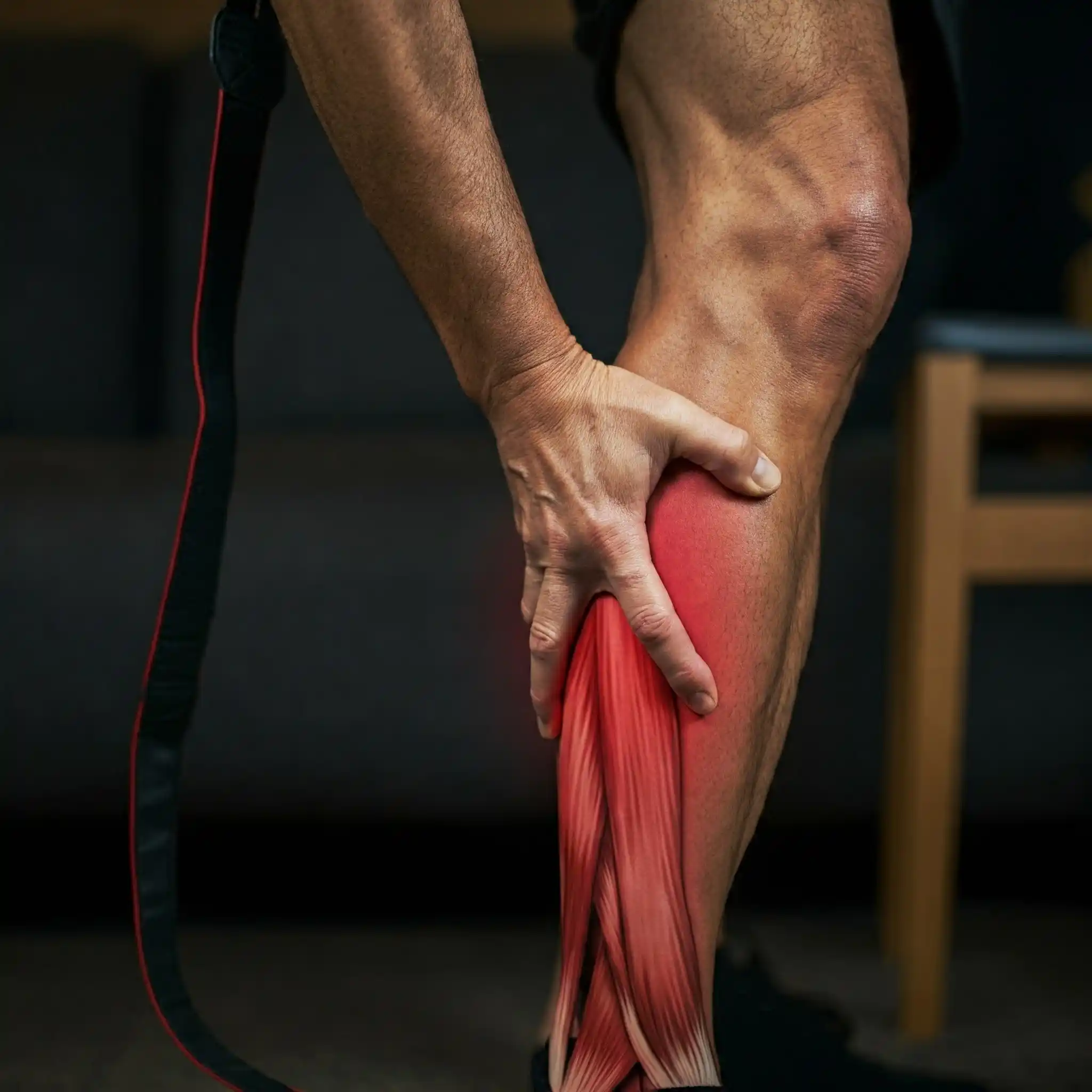
A pulled or strained calf muscle is a common injury that affects the muscles in the back of your lower leg. It can happen to anyone, from athletes to people who are simply less active. Understanding the causes, symptoms, and treatment of a strained calf muscle can help you recover quickly and prevent future injuries.
What is a Strained Calf Muscle?
Your calf is made up of two main muscles: the gastrocnemius (the larger, more superficial muscle) and the soleus (a smaller muscle that lies beneath the gastrocnemius). A strained or pulled calf muscle occurs when the muscle fibres in one or both of these muscles are overstretched or torn. This often happens due to sudden movements, forceful contractions, or overuse.
Causes of Pulled or Strained Calf Muscle
Sudden Movements
Activities that involve quick starts and stops, such as sprinting, jumping, or changing direction suddenly, can put a tremendous amount of stress on your calf muscles. This is especially true if your muscles aren't properly warmed up or if you have poor flexibility.
Imagine a tennis player lunging for a volley or a basketball player pushing off for a jump shot – these explosive movements can easily lead to a calf strain.
Overuse
Repetitive activities, like running long distances or playing sports that involve a lot of running, can fatigue your calf muscles and make them more susceptible to strains.
Over time, the repetitive stress can exceed the muscle's ability to repair itself, leading to microscopic tears in the muscle fibres. This is often seen in runners who suddenly increase their mileage or intensity.
Inadequate Warm-up
Failing to properly warm up your muscles before exercise is a major risk factor for calf strains. A good warm-up increases blood flow to the muscles, making them more pliable and less likely to tear. Think of your muscles like a rubber band – a cold rubber band is more likely to snap when stretched, while a warm one is more flexible.
Poor Flexibility
Tight calf muscles are more prone to strains because they have less capacity to stretch and absorb force. Regular stretching can help lengthen the muscle fibres and improve their elasticity, reducing the risk of injury.
Muscle Imbalances
Weakness in the calf muscles or surrounding muscles, such as the hamstrings and quadriceps, can increase the risk of strains. When some muscles are stronger than others, it can create imbalances that put extra stress on the weaker muscles, making them more vulnerable to injury.
Improper Footwear
Wearing shoes that don't provide adequate support or cushioning can also contribute to calf strains. High heels, for example, can shorten the calf muscles and make them more susceptible to injury.
Associated Symptoms
The symptoms of a pulled calf muscle can vary depending on the severity of the injury. Common symptoms include:
- Sudden, sharp pain in the back of the lower leg
- A popping or snapping sensation at the time of injury
- Pain that worsens with activity
- Swelling and bruising in the calf
- Stiffness and limited range of motion
- Difficulty walking or standing on tiptoes
Diagnosing a Strained Calf Muscle
Your doctor will typically diagnose a strained or pulled calf muscle based on your medical history, a physical examination, and possibly imaging tests.
- Medical history: Your doctor will ask about your symptoms, how the injury occurred, and your activity level.
- Physical examination: They will examine your calf muscle, checking for tenderness, swelling, bruising, and range of motion. They may also assess your strength and flexibility.
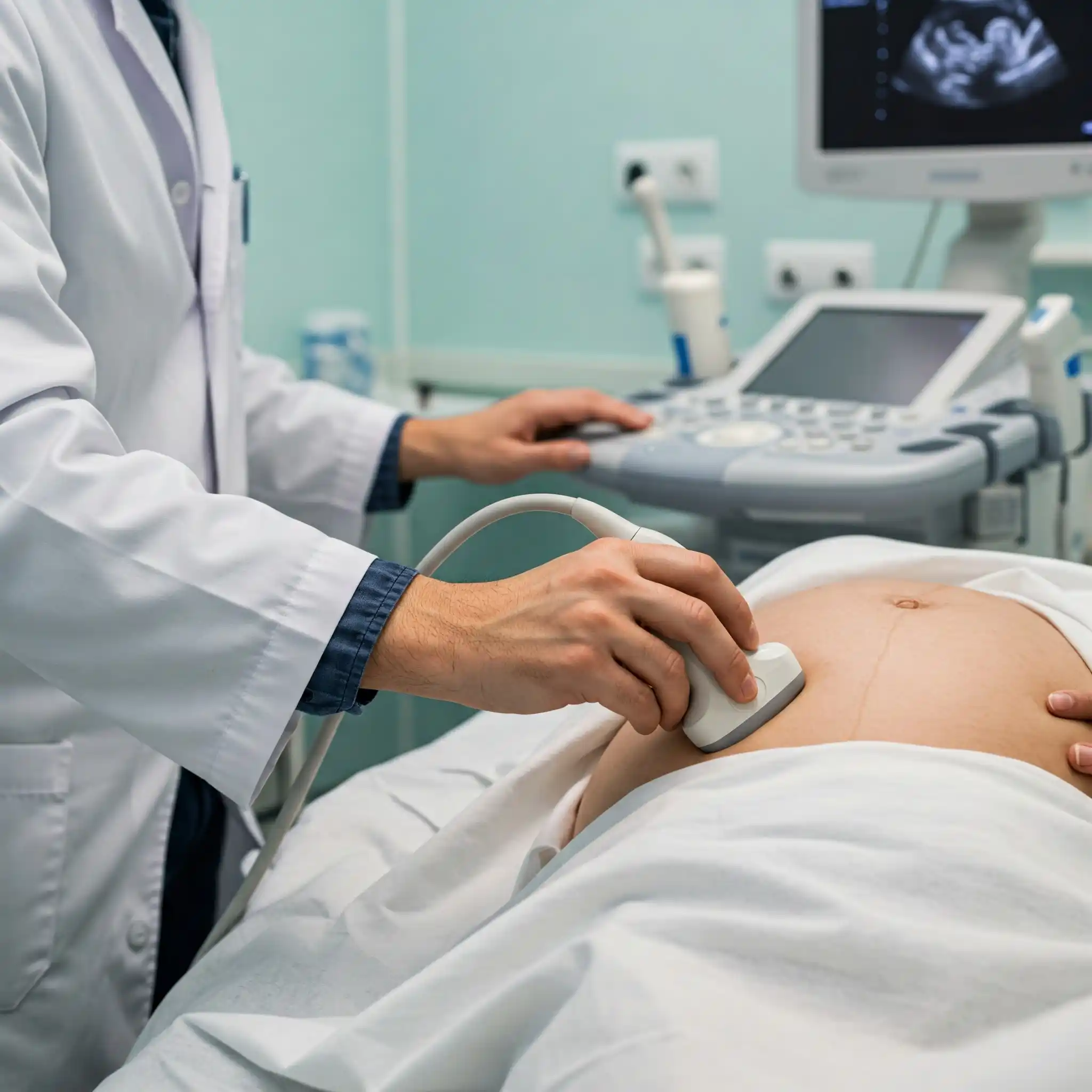
- Imaging tests: In some cases, your doctor may order an X-ray to rule out a fracture or an ultrasound or MRI to assess the extent of the muscle damage.
Strained Calf Muscle Treatment
Most strained calf muscles heal with conservative treatment, such as:
RICE method
This is the first line of treatment for a strained calf muscle.
Rest: Avoid activities that put stress on your calf muscle. This may involve using crutches or a walking boot to keep weight off the injured leg.
Ice: Apply ice packs to the injured area for 20 minutes at a time, several times a day. This helps reduce inflammation and pain. You can use a bag of frozen peas or a commercial ice pack.
Compression: Use a compression bandage to help reduce swelling and provide support to the injured muscle.
Elevation: Keep your leg elevated above the level of your heart as much as possible, especially in the first few days after the injury. This helps to reduce swelling and promote healing.
Pain relief
Over-the-counter pain medications: Such as ibuprofen or acetaminophen can help reduce pain and inflammation.
Topical sprays, creams, or gels: Sprays like Volini Spray or gels and creams containing menthol or capsaicin may provide temporary pain relief by creating a cooling or warming sensation.
Physical therapy
Once the initial pain and swelling subside, a physical therapist can teach you exercises to:
Strengthen your calf muscles: This may involve exercises like calf raises, toe curls, and resistance band exercises.
Improve flexibility: Stretching exercises can help lengthen the calf muscles and Achilles tendon.
Restore normal function: Proprioceptive exercises (exercises that help you regain balance and coordination) may be included.
Gradual return to activity
As your pain improves, gradually increase your activity level. Start with gentle activities like walking and gradually progress to more strenuous activities. Avoid pushing yourself too hard too soon, as this can re-injure the muscle.
In severe cases, where the muscle is completely torn, surgery may be necessary to repair the damage. However, this is rare for calf strains.
Recovery Time for a Strained Calf Muscle
Calf strain healing time depends on the severity of the injury.
- Mild strains: May take a few days to a couple of weeks to heal.
- Moderate strains: Can take several weeks to a few months to heal.
- Severe strains: May take several months to fully recover.
It's important to follow your doctor's or physical therapist's recommendations pertaining to calf strain recovery and not rush to resume activities. Returning to activity too soon can increase your risk of re-injury.
How to Prevent a Calf Pull or Strain
- Warm up thoroughly before exercise: Include dynamic stretches that target the calf muscles, such as leg swings, high knees, and butt kicks.
- Stretch regularly: Focus on stretches that lengthen the calf muscles and Achilles tendon, such as standing calf stretches and heel drops.
- Strengthen your calf muscles: Include exercises like calf raises (both standing and seated) in your workout routine.
- Wear supportive shoes: Choose shoes that provide good support and cushioning, and replace worn-out shoes regularly.
- Gradually increase exercise intensity: Avoid sudden increases in activity level. Gradually increase your mileage, intensity, or duration of exercise to allow your muscles to adapt.
- Listen to your body: If you experience pain, stop the activity and rest. Don't push through pain, as this can lead to further injury.
Summing Up
A strained calf muscle is a common injury that can sideline you from your favourite activities. However, by understanding the causes, symptoms, and treatment options, you can take steps to prevent these injuries and recover effectively if they do occur.
Remember to warm up properly, stretch regularly, strengthen your calf muscles, and listen to your body to keep your legs healthy and strong.
Looking for affordable medicines and healthcare products but don't know where to buy them? Check out our Dawaa Dost website where we make quality and affordable medicines accessible to all!
Sources:
https://my.clevelandclinic.org/health/diseases/21558-pulled-calf-muscle
https://www.medicalnewstoday.com/articles/326431



 0
0