logo.webp

Log in To Dawaa Dost

Welcome! Please enter your details

You want to Leave?

  • Home
  • Blog
  • Things To Be Careful About When Taking Amroid Tablet

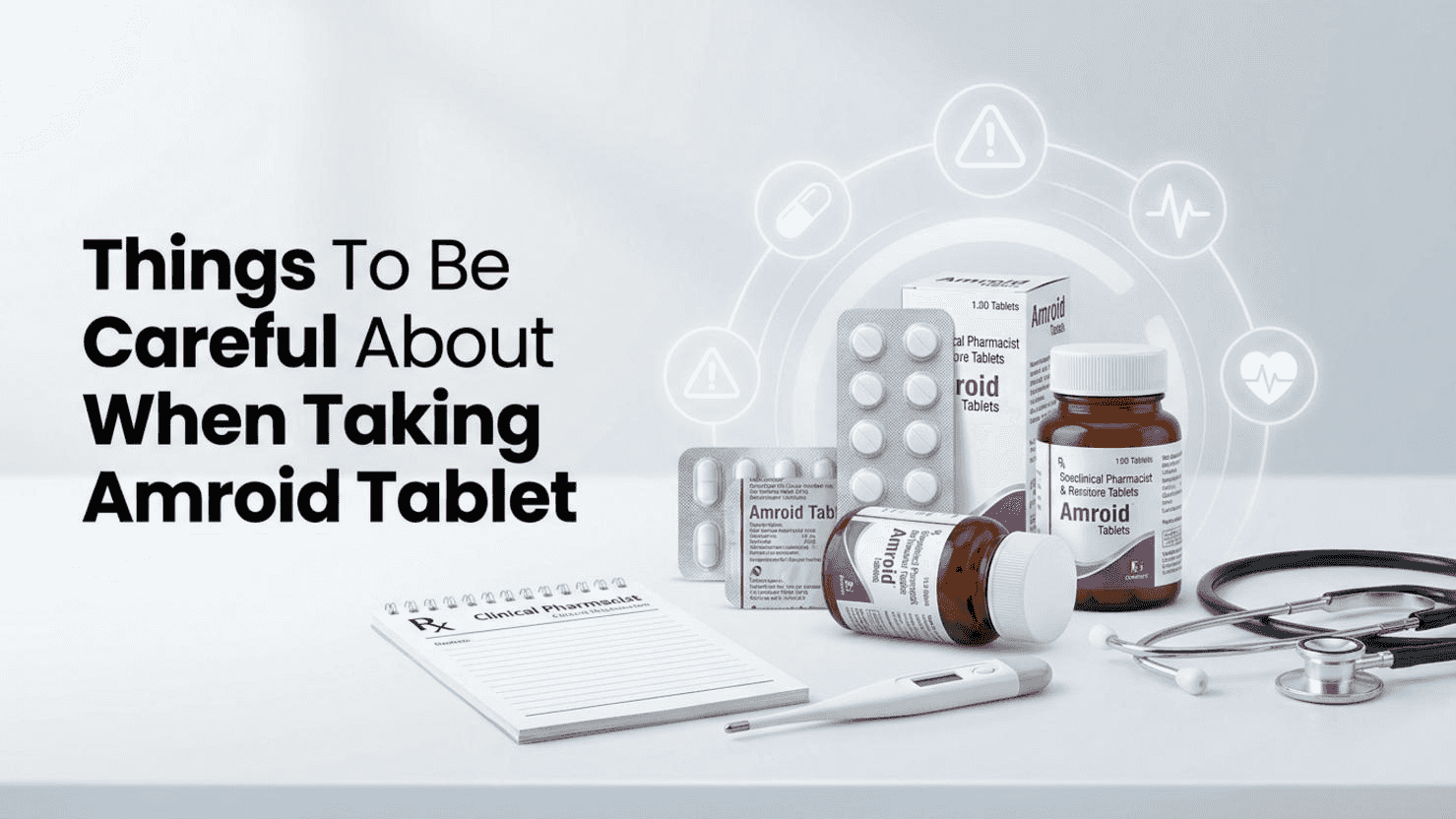
Things To Be Careful About When Taking Amroid Tablet

1 min read

In this blog

  • Introduction
  • 10 Things to Be Careful About When Taking Amroid Tablet
  • Foods to Eat and Avoid When Taking Amroid Tablet
  • Should I Ask a Doctor First?
  • Who Should Avoid Taking Amroid Tablet
  • Conclusion
  • FAQs

Introduction

Amroid Tablet is a popular herbal medicine used to support the treatment of piles (hemorrhoids) and related symptoms. If you are considering using the Amroid Tablet, it is important to know the necessary precautions for its safe and effective use. This article will guide you on the essential things to be careful about when taking Amroid Tablet and help you use this herbal remedy responsibly.

10 Things to Be Careful About When Taking Amroid Tablet

1. Consult Your Doctor Before Starting

Before taking Amroid Tablet, always consult your doctor or healthcare provider. This is especially important if you have existing health conditions, are pregnant, breastfeeding, or taking other medications. A doctor can help assess whether the product is suitable for your specific needs and guide you on the right dosage.

2. Follow the Recommended Dosage Precisely

Always take Amroid Tablet exactly as prescribed or as recommended on the label. Taking more than the suggested amount will not provide faster or better relief, and can increase the risk of side effects. If you are unsure about the correct dosage, speak with a healthcare professional.

3. Watch for Allergic Reactions

Though the ingredients are herbal, some people may experience allergic reactions to extracts like Amla, Ashwagandha, Berberis aristata, Cassia fistula, or Chirabilva. If you notice symptoms like rash, itching, swelling, or difficulty breathing, stop taking the medicine and get medical help immediately.

4. Be Cautious if You Have Chronic Health Conditions

People with diabetes, liver disease, kidney problems, or autoimmune conditions should be extra cautious. Some herbal components can interfere with blood sugar control or interact with ongoing treatments. Always inform your doctor of your complete medical history before starting Amroid Tablet.

5. Important During Pregnancy and Breastfeeding

Pregnant or breastfeeding women should not use Amroid Tablet unless it is specifically recommended by their doctor. The effects of some herbal ingredients during pregnancy and lactation are not well studied, so extra caution is necessary.

6. Monitor for Gastrointestinal Discomfort

Some people may experience mild gastrointestinal symptoms such as stomach upset, diarrhea, or nausea because of the herbal ingredients. If these symptoms persist or become severe, inform your doctor or stop using the product as advised.

7. Do Not Substitute for Prescribed Medications

Amroid Tablet is a supportive herbal remedy and should not replace any prescription medicine prescribed by your doctor for piles or other health issues. Always continue your prescribed treatments unless your healthcare provider advises otherwise.

8. Store the Tablet Properly

Store Amroid Tablet in a dry, cool place away from direct sunlight and moisture. Incorrect storage can affect the effectiveness of the herbal ingredients, so always follow the instructions provided on the packaging.

9. Avoid Self-Medication for Kids

Amroid Tablet should not be given to children without proper medical supervision. The safety and efficacy of this product for young children have not been established.

10. Inform Your Doctor About All Medicines and Supplements

Before starting Amroid Tablet, inform your doctor about all the prescription medicines, over-the-counter products, and supplements you are taking. Some herbal ingredients can interact with other medications, potentially altering their effectiveness or increasing side effects.


Foods to Eat and Avoid When Taking Amroid Tablet

Diet plays an important role in the management and prevention of piles. When using Amroid Tablet, choosing the right foods can support your treatment and help you recover faster. Here are some recommendations:

Foods to Eat:

  • High-fiber fruits and vegetables: Such as apples, papaya, pears, spinach, and carrots. Fiber softens stool and prevents constipation.
  • Whole grains: Oats, brown rice, and whole wheat bread help promote regular bowel movements.
  • Plenty of fluids: Drink sufficient water daily to keep stools soft and support digestive health.
  • Probiotics: Yogurt and fermented foods can support gut health and improve digestion.

Foods to Avoid:

  • Spicy, oily, and fried foods: These can aggravate hemorrhoid symptoms or cause digestive discomfort.
  • Processed foods: Packaged snacks, fast food, and products high in refined flour can worsen constipation.
  • Caffeinated and carbonated drinks: Excess coffee, tea, and soda can dehydrate you and make stools harder.
  • Alcohol: Can increase dehydration and worsen piles symptoms.

Choosing the right diet helps maximize the benefits of Amroid Tablet and minimizes the risk of irritation or side effects.

Should I Ask a Doctor First?

Yes, always speak to your doctor before starting Amroid Tablet. Even though it’s a herbal remedy, medical advice is essential to ensure that it won’t interact with your current medications or health conditions. A doctor will check your overall health status and advise if this tablet is suitable and safe for you. This step is especially important for elderly people, those with chronic diseases, pregnant and breastfeeding women, and children.

Who Should Avoid Taking Amroid Tablet

Certain individuals should not take Amroid Tablet without medical approval. People with known allergies to any of its components (Amla, Ashwagandha, Berberis aristata, Cassia fistula, Chirabilva), pregnant or breastfeeding women, children, and people with specific medical conditions like severe liver or kidney disease should avoid using this product unless prescribed. Always consult your healthcare provider if you are unsure about your suitability for Amroid Tablet.

Conclusion

Using Amroid Tablet can be helpful for managing piles and promoting better digestive health. However, it’s vital to take necessary precautions to ensure its safe and effective use. Consult your doctor, follow the recommended dose, watch for any unusual symptoms, and maintain a healthy diet. By being careful and well-informed, you can get the maximum benefit from Amroid Tablet with minimal risk. For more health tips and updates, explore our Blog.

FAQs

Is Amroid Tablet safe for long-term use?

Amroid Tablet is generally safe when taken as directed, but long-term use should be supervised by a doctor to monitor for any potential side effects or interactions with other medications.

Can I take Amroid Tablet with other herbal supplements?

It’s best to consult your doctor before using Amroid Tablet alongside other herbal or dietary supplements to avoid unwanted interactions or excessive intake of similar ingredients.

What should I do if I miss a dose of Amroid Tablet?

If you miss a dose, take it as soon as you remember. If it’s almost time for your next scheduled dose, skip the missed one—do not double up doses to make up for a missed tablet.

Are there any common side effects of Amroid Tablet?

Common side effects may include mild digestive discomfort like nausea or stomach upset, but serious reactions are rare. Always inform your doctor if you notice anything unusual.

Can pregnant women use Amroid Tablet safely?

Pregnant women should not use Amroid Tablet unless prescribed by a doctor, as the safety profile for pregnancy is not well established for some ingredients.

Disclaimer: This article is intended for informational purposes only and should not be considered a substitute for professional medical advice. Always consult a qualified healthcare provider for diagnosis and treatment of any health condition.

Popular Products