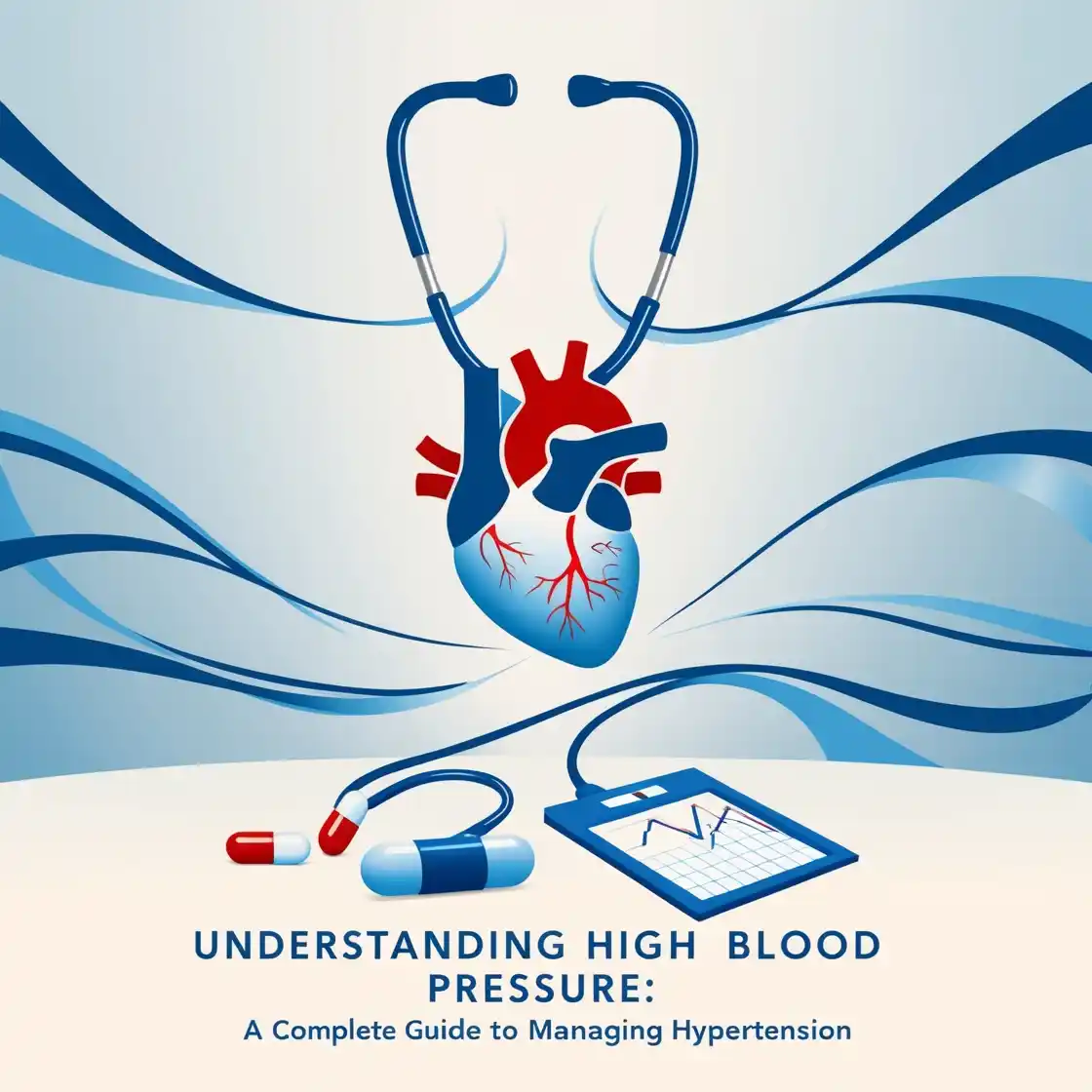
High blood pressure, also known as hypertension, is a common condition that affects millions of people worldwide. Often called the 'silent killer,' it usually presents no noticeable symptoms but can lead to serious health problems like heart disease, stroke, and kidney damage. Thankfully, with tools like the Dr. Morepen BP 15 - Automatic B.P. Monitor, managing high blood pressure is easier than ever.
In this guide, we will explore what high blood pressure is, what causes it, how to manage it, and why regular monitoring is crucial for your health.
What Is High Blood Pressure?
Blood pressure refers to the force of blood pushing against the walls of your arteries. When this force remains too high over time, it leads to high blood pressure or hypertension. Blood pressure is measured in millimeters of mercury (mmHg) and given as two numbers:
- Systolic pressure (the top number): The pressure when your heart beats.
- Diastolic pressure (the bottom number): The pressure when your heart rests between beats.
A normal blood pressure reading is usually less than 120/80 mmHg. When your readings consistently exceed this level, you may be diagnosed with high blood pressure.
The Stages of High Blood Pressure
High blood pressure is classified into different stages depending on your readings:
- Elevated blood pressure: 120-129 systolic and less than 80 diastolic. At this stage, blood pressure is slightly above normal but not yet considered hypertension. However, it's a warning sign.
- Hypertension Stage 1: 130-139 systolic or 80-89 diastolic. At this point, high blood pressure has officially set in, and lifestyle changes or medication may be recommended.
- Hypertension Stage 2: 140/90 mmHg or higher. This stage of hypertension is more severe and typically requires medical treatment.
- Hypertensive crisis: 180/120 mmHg or higher. This is an emergency and requires immediate medical attention, as it can lead to life-threatening complications like heart attack or stroke.
Why High Blood Pressure Is Dangerous
High blood pressure is a serious condition because it forces your heart to work harder than it should. Over time, this can cause wear and tear on your blood vessels, leading to a variety of health issues:
- Heart disease: Hypertension can lead to heart failure, heart attacks, and other cardiovascular problems by damaging the arteries and heart muscles.
- Stroke: High blood pressure increases the risk of strokes by causing blockages or ruptures in the blood vessels that supply your brain.
- Kidney damage: The kidneys rely on healthy blood vessels to filter waste from your blood. When high blood pressure damages these vessels, it can lead to kidney failure.
- Vision loss: Hypertension can damage the blood vessels in the eyes, resulting in vision problems or blindness.
- Aneurysms: High blood pressure can weaken the walls of your arteries, leading to the formation of aneurysms. These are bulges in the arteries that can rupture and cause life-threatening internal bleeding.
Causes and Risk Factors for High Blood Pressure
While the exact cause of high blood pressure is not always clear, several factors contribute to its development. Some of these risk factors are within your control, while others are not:
Uncontrollable Risk Factors:
- Age: Blood pressure tends to increase with age as the arteries stiffen.
- Family history: If your parents or close relatives have high blood pressure, you’re more likely to develop it.
- Gender: Men are more likely to develop hypertension earlier in life, but after age 65, women are more prone to the condition.
- Ethnicity: People of African or South Asian descent are at higher risk of developing hypertension at a younger age and are more likely to experience complications.
Controllable Risk Factors:
- Diet: A diet high in salt, fat, and processed foods can contribute to high blood pressure. On the other hand, a balanced diet rich in fruits, vegetables, whole grains, and low-fat dairy can help lower your risk.
- Lack of physical activity: A sedentary lifestyle can contribute to weight gain, high cholesterol, and increased blood pressure.
- Smoking and alcohol consumption: Both smoking and excessive alcohol intake can raise blood pressure and damage blood vessels.
- Obesity: Being overweight forces the heart to work harder, increasing the risk of hypertension.
- Stress: Chronic stress can cause temporary spikes in blood pressure and contribute to long-term health issues if not managed properly.
Monitoring High Blood Pressure at Home
One of the most effective ways to manage high blood pressure is by regularly monitoring it at home. The Dr. Morepen BP 15 - Automatic B.P. Monitor is designed to make this process simple and accurate, allowing you to keep track of your blood pressure from the comfort of your home. Here’s how to do it effectively:
- Pick the right time: Blood pressure fluctuates throughout the day, so try to take your readings at the same time each day for consistent results.
- Sit correctly: Sit in a comfortable chair with your back supported, feet flat on the floor, and your arm at heart level. Place the cuff on your bare upper arm, just above the elbow.
- Follow the device’s instructions: The Dr. Morepen BP 15 makes it easy to follow the instructions. Simply press the button and let the monitor take care of the rest.
- Take multiple readings: For the most accurate results, take 2-3 readings and average them out.
- Record your results: Keep a log of your readings to track trends over time. Many automatic blood pressure monitors, including the Dr. Morepen BP 15, can store readings for later review.
Lifestyle Changes to Manage High Blood Pressure
If you’ve been diagnosed with high blood pressure, making lifestyle changes is one of the most effective ways to control it. Here are some steps you can take:
1. Adopt a Heart-Healthy Diet
- Reduce sodium: Sodium increases blood pressure by causing your body to retain water. Cut back on processed foods and choose fresh, whole foods whenever possible.
- Eat more potassium: Potassium helps balance out the effects of sodium. Foods like bananas, oranges, spinach, and sweet potatoes are rich in potassium.
- Limit alcohol: Excessive alcohol consumption can raise blood pressure. Stick to moderate drinking—no more than one drink a day for women and two for men.
2. Increase Physical Activity
Exercise helps lower blood pressure by strengthening the heart and improving circulation. Aim for at least 150 minutes of moderate exercise or 75 minutes of vigorous exercise each week. Walking, swimming, cycling, and strength training are all excellent options.
3. Maintain a Healthy Weight
Even losing a small amount of weight can have a significant impact on lowering blood pressure. Focus on adopting healthy eating and regular exercise habits to maintain or reach a healthy weight.
4. Quit Smoking
Smoking raises blood pressure and damages blood vessels, increasing the risk of heart disease and stroke. Quitting smoking can dramatically improve your health, no matter how long you’ve been a smoker.
5. Manage Stress
Chronic stress can cause your blood pressure to spike. Practice relaxation techniques like deep breathing, meditation, or yoga to reduce stress levels and improve your overall well-being.
When to See a Doctor
If you're consistently getting high blood pressure readings, it's important to consult with a healthcare professional. You should see a doctor if:
- Your readings are in the hypertensive range (140/90 mmHg or higher).
- You have underlying conditions like diabetes or kidney disease, which can complicate high blood pressure management.
- You experience symptoms like severe headaches, chest pain, dizziness, or shortness of breath, which could indicate a hypertensive crisis.
Your doctor may recommend medication, lifestyle changes, or both, depending on the severity of your hypertension.
Take Control of Your Blood Pressure
Understanding and managing high blood pressure is essential to maintaining your health and preventing long-term complications. With regular monitoring using a reliable device like the Dr. Morepen BP 15 - Automatic B.P. Monitor, you can stay informed about your blood pressure and take action when necessary. Paired with a heart-healthy lifestyle, you can significantly reduce your risk of developing serious conditions like heart disease or stroke.
For more tips on managing high blood pressure and other health-related concerns, visit dawaadost.com.




 0
0