Maintaining good health is crucial, especially when dealing with conditions such as high blood pressure, heart disease, and diabetes. These three health concerns are often linked in ways that increase their severity when not properly managed. In this blog, we will explore how blood pressure, heart disease, and diabetes interact, and why it’s essential to manage them effectively to avoid further complications.
Understanding the Connection: Blood Pressure, Heart Disease, and Diabetes
High blood pressure, heart disease, and diabetes share many common risk factors, and often, one condition leads to the development of the other. According to the American Heart Association, nearly 68% of people aged 65 and older with diabetes also have high blood pressure, and this combination significantly increases the risk of cardiovascular diseases.
High Blood Pressure and Its Role in Heart Disease
High blood pressure (hypertension) is a key risk factor for heart disease. When blood pressure is too high, the heart must work harder to pump blood, which leads to damage in the arteries. This increased strain can cause the walls of the blood vessels to become stiff, narrowing the arteries and reducing blood flow, which in turn increases the risk of heart attacks, strokes, and other cardiovascular conditions.
In the case of diabetes, high blood sugar levels can exacerbate these problems. Diabetes, particularly type 2, leads to insulin resistance, a condition where the body’s cells do not respond effectively to insulin. As a result, blood sugar levels rise, and over time, this damages blood vessels, making them more susceptible to narrowing and hardening, which further contributes to hypertension and increases the risk of heart disease.
Diabetes and Its Impact on Heart Health
Diabetes affects the cardiovascular system in several ways. When blood sugar levels remain high over time, it can cause a buildup of fatty deposits (plaque) in the arteries. This plaque narrows and hardens the blood vessels, a condition known as atherosclerosis. As a result, the heart is forced to work harder to pump blood, raising the risk of heart disease, including coronary artery disease, heart attacks, and strokes.
Moreover, people with diabetes are more likely to have high cholesterol levels and obesity, both of which are additional risk factors for heart disease. High blood sugar can also cause changes in the blood’s clotting properties, making it easier for blood clots to form, which can lead to a heart attack or stroke.
The Vicious Cycle: How High Blood Pressure, Heart Disease, and Diabetes Interact
When both high blood pressure and diabetes are present, they act as a dangerous combination, often amplifying each other’s effects. High blood pressure can worsen the complications associated with diabetes, such as diabetic retinopathy, neuropathy, and kidney damage. In turn, diabetes can lead to high blood pressure due to increased fluid retention, a result of kidney damage and insulin resistance.
This vicious cycle makes it essential for individuals who suffer from one of these conditions to be aware of the others and to take steps to manage them effectively. Otherwise, the risks of cardiovascular disease, stroke, kidney failure, and other severe complications become much higher.
Managing Blood Pressure, Heart Disease, and Diabetes Together
It is crucial to manage blood pressure, heart disease, and diabetes concurrently to reduce the risk of complications. Here are some essential steps you can take to keep all three conditions under control:
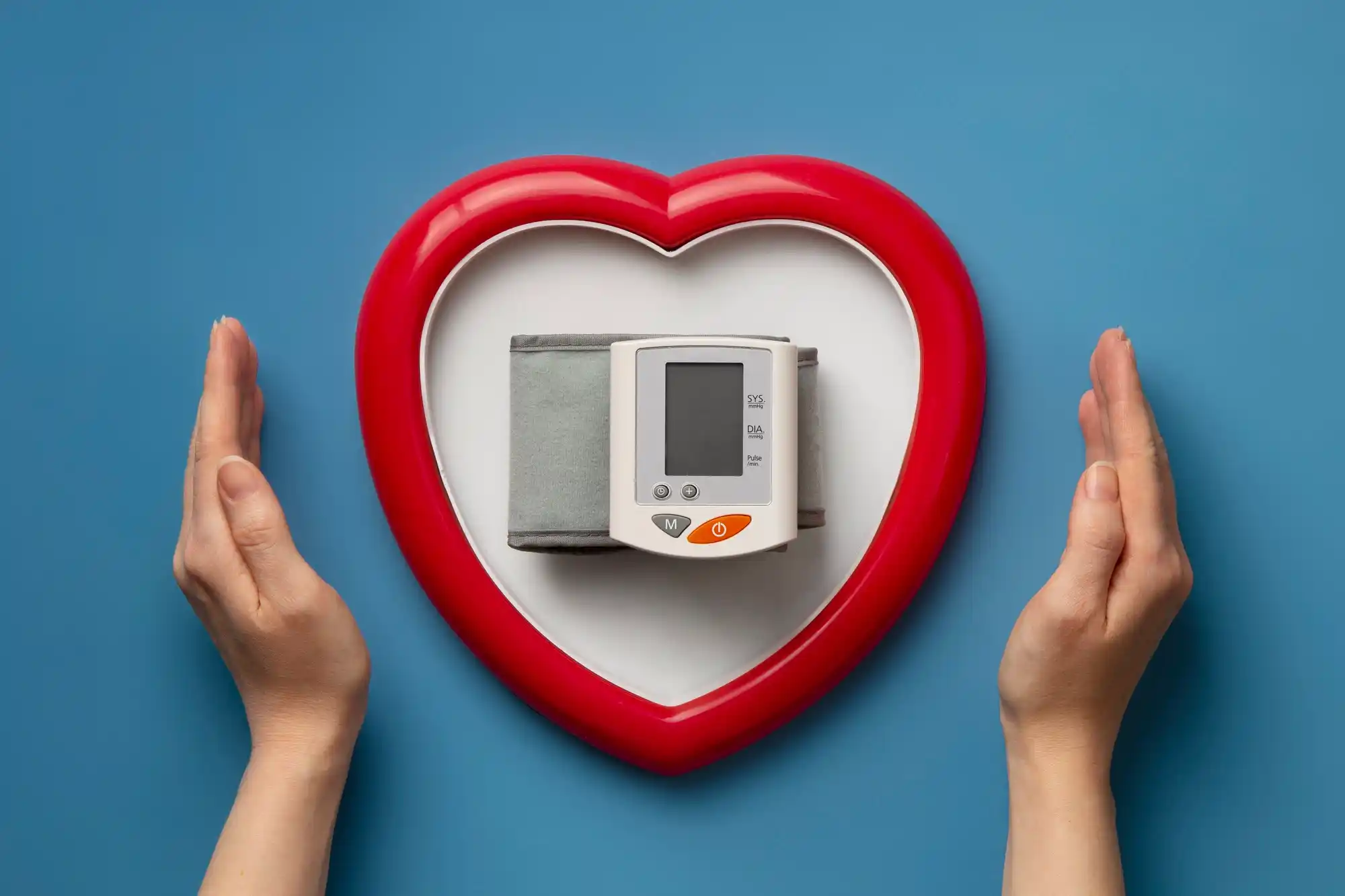
- Regular Monitoring Regular monitoring of both blood pressure and blood sugar levels is key to managing these conditions. By keeping track of these vital signs, individuals can catch any fluctuations early, allowing for timely intervention. For blood pressure, a home blood pressure monitor is a practical tool. For diabetes, regular use of glucose testing strips can help you stay on top of blood sugar levels. One recommended product is Dr. Morepen Gluco One Strips BG03 - 25 Tests, which helps you easily track blood glucose levels.
- Adopt a Heart-Healthy Diet A balanced, nutritious diet plays a critical role in managing high blood pressure, diabetes, and heart disease. Focus on foods that are low in saturated fats and sugars, and high in fiber. A diet rich in fruits, vegetables, whole grains, and lean proteins can help maintain healthy blood sugar levels and prevent blood pressure spikes. Reducing sodium intake is particularly important for individuals with high blood pressure.
- Exercise Regularly Regular physical activity helps to lower blood pressure, improve insulin sensitivity, and promote heart health. Cardiovascular exercises such as walking, swimming, or cycling can significantly reduce the risk of heart disease and help manage diabetes by improving blood sugar control. It’s advisable to aim for at least 150 minutes of moderate exercise each week.
- Medication Adherence For those with diabetes and high blood pressure, medication may be necessary. There are various medications available that can help control blood pressure, regulate blood sugar levels, and reduce the risk of heart disease. It’s crucial to follow your doctor’s prescription and not skip doses to ensure optimal control of these conditions.
- Weight Management Maintaining a healthy weight is one of the most effective ways to manage both blood pressure and diabetes. Excess weight, particularly around the abdomen, can contribute to insulin resistance and high blood pressure. A healthy body weight reduces the strain on the heart and makes it easier to control blood sugar levels.
- Limit Alcohol and Quit Smoking Alcohol and smoking both contribute to higher blood pressure and increase the risk of heart disease. It’s essential to limit alcohol consumption and quit smoking to reduce your risks of cardiovascular problems and manage diabetes more effectively.
- Stress Management Chronic stress can raise blood pressure and negatively impact blood sugar control, increasing the risk of heart disease. Managing stress through relaxation techniques such as yoga, meditation, or deep breathing can help to keep your blood pressure in check and improve overall well-being.
- Sleep Well Adequate sleep is vital for managing both blood pressure and blood sugar levels. Poor sleep can contribute to higher blood pressure, increased insulin resistance, and weight gain, all of which increase the risk of heart disease. Aim for 7-9 hours of sleep per night to promote better health.
- Regular Checkups Regular visits to your healthcare provider are essential for monitoring the progression of high blood pressure, heart disease, and diabetes. Your doctor will perform tests to evaluate how well your conditions are managed and may make adjustments to your treatment plan as necessary.
Conclusion
The relationship between blood pressure, heart disease, and diabetes is complex, but understanding how they are interconnected is the first step toward managing them effectively. By taking proactive steps—such as maintaining a healthy diet, exercising regularly, monitoring your blood pressure and blood sugar levels, and adhering to prescribed treatments—you can significantly reduce the risk of severe complications and enjoy better overall health.
For individuals looking to better manage their diabetes, using tools such as Dr. Morepen Gluco One Strips can make a significant difference in monitoring blood glucose levels.
FAQ
Q: How does diabetes increase the risk of heart disease?
A: High blood sugar in diabetes can damage blood vessels over time, leading to narrowed arteries and plaque buildup, which increases the risk of heart disease and stroke.
Q: Can high blood pressure cause diabetes?
A: High blood pressure doesn’t directly cause diabetes, but it can worsen complications of diabetes. People with both conditions face a higher risk of cardiovascular issues.
Q: What lifestyle changes can help reduce the risk of heart disease and diabetes?
A: Regular exercise, a balanced diet, stress management, weight control, and avoiding smoking and excessive alcohol are all key steps to reduce the risk of heart disease and diabetes.
Q: How often should I check my blood pressure if I have diabetes?
A: It’s recommended to check your blood pressure regularly—at least once a week or as often as directed by your healthcare provider—especially if you have diabetes.
Q: How can I prevent heart disease if I have diabetes?
A: Preventing heart disease involves controlling blood sugar levels, managing blood pressure, eating a heart-healthy diet, exercising regularly, and managing stress effectively.




 0
0