The internet is full of DIY hacks, and among them, you might have stumbled upon the "salt pregnancy test." This method, which involves mixing urine with salt to supposedly detect pregnancy, has piqued the curiosity of many. But does it really work? Let's dive deep into the science (or lack thereof) behind the salt pregnancy test and explore why relying on it might not be the best idea.
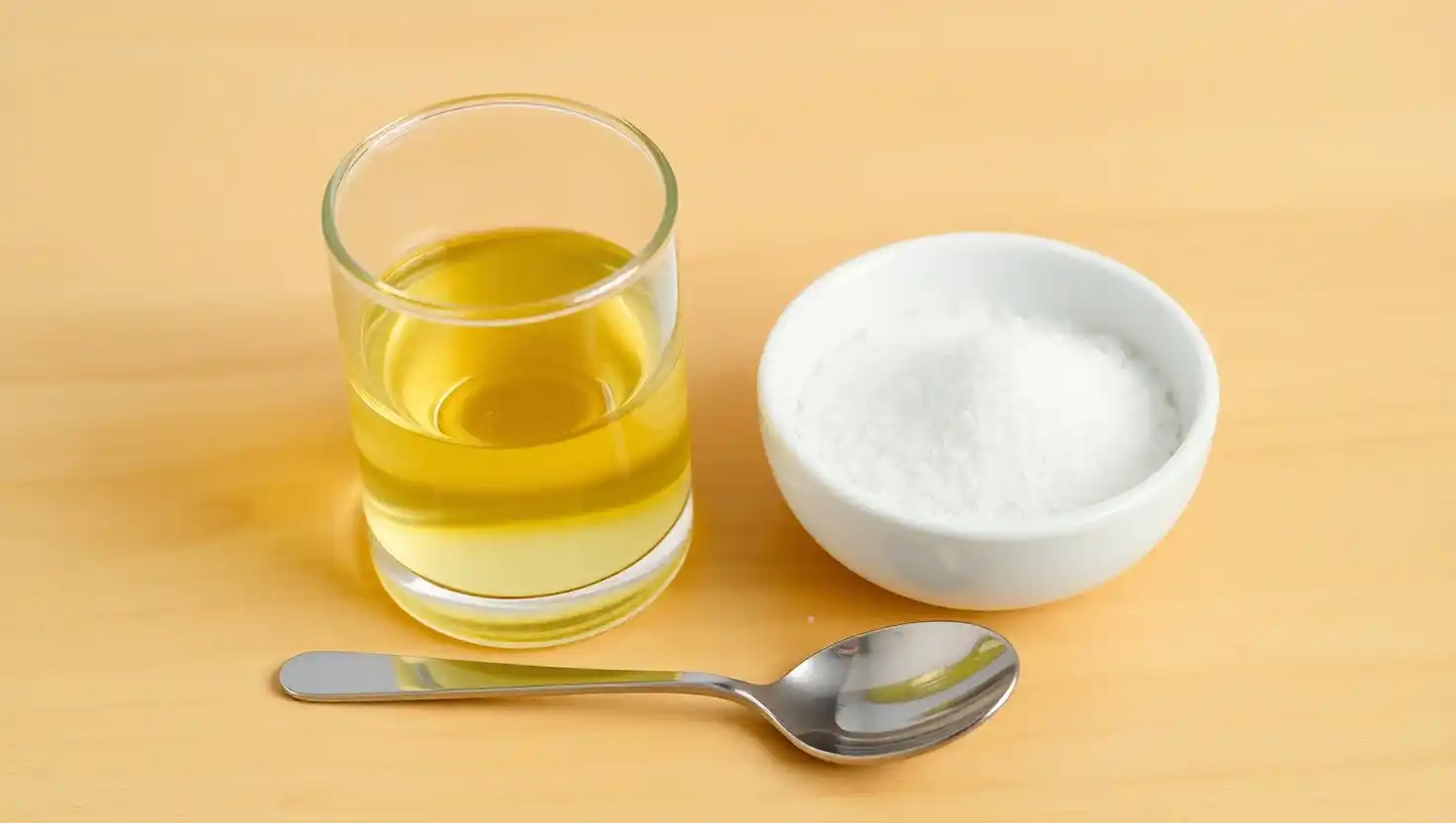
The salt pregnancy test is a home remedy that claims to detect pregnancy by mixing a woman's urine with table salt. Proponents of this method suggest that if the mixture turns "milky" or "cheesy," it indicates a positive result. This change is supposedly due to the reaction between the salt and the pregnancy hormone, human chorionic gonadotropin (hCG), present in the urine of pregnant women.
While we don't recommend relying on the salt pregnancy test for accurate results, here's how it's typically done:
Remember that this method is not scientifically proven and should not be used to confirm or rule out pregnancy.
While the salt pregnancy test may seem intriguing, there's no scientific evidence to support its accuracy. Here's why:
Unlike the salt pregnancy test, traditional pregnancy tests, available at pharmacies, are based on sound scientific principles. These tests use antibodies that specifically detect hCG in urine. If hCG is present above a certain threshold, a visible line or symbol appears, indicating a positive result. These tests are designed to be highly sensitive and specific, minimizing the chances of errors.
Using a home pregnancy test kit like I Can Pregnancy Kit is simple and straightforward. Here's a general guide:
In some cultures, like in India where it is known as "namak se pregnancy test," home remedies and traditional practices are deeply ingrained. While these practices may hold cultural significance, it's important to remember that they may not always be reliable for medical diagnosis. When it comes to something as important as pregnancy, relying on scientifically proven methods is crucial.
The pregnancy test by salt, like many other internet health trends, often spreads through anecdotal evidence and social media. It's crucial to be critical of such information and consult reliable sources. Remember, your health is important, and making informed decisions based on accurate information is essential.
Regardless of the result of a pregnancy test using salt, it's always recommended to confirm with a doctor. A healthcare professional can conduct a blood test, which is even more accurate than a urine test, to confirm pregnancy and provide appropriate care and guidance.
While the salt pregnancy test may seem like a simple and accessible option, it lacks scientific validity. For accurate and reliable results, always opt for a traditional pregnancy test kit or consult a healthcare professional. Remember, your health and well-being are paramount.
1. Can I use any type of salt for the salt pregnancy test?
The type of salt supposedly doesn't matter, but this method is not reliable regardless.
2. How long does it take to see results with a salt pregnancy test?
Proponents claim a reaction within a few minutes, but these changes are not indicative of pregnancy.
3. Is the salt pregnancy test harmful?
The test itself is not harmful, but relying on its inaccurate results could be.
4. Can I use the salt pregnancy test at night?
The time of day doesn't affect the unreliability of this test.
5. Where can I buy a reliable pregnancy test kit?
Pregnancy test kits are available at most pharmacies and drugstores.
6. When should I see a doctor after taking a home pregnancy test?
Regardless of the result, it's best to consult a doctor to confirm pregnancy and discuss any concerns.
For more health-related content, visit our Dawaa Dost website. You will also get access to quality medicines and healthcare products, all at affordable prices. Check it out now!
Disclaimer: This article is intended for informational purposes only and should not be considered a substitute for professional medical advice. Always consult a qualified healthcare provider for diagnosis and treatment of any health condition.
Our Services
Knowledge Base
Fetured Categories
© 2026 DawaaDost. All rights reserved. In compliance with Drugs and Cosmetics Act, 1940 and Drugs and Cosmetics Rules, 1945, we don't process requests for Schedule X and other habit forming drugs.