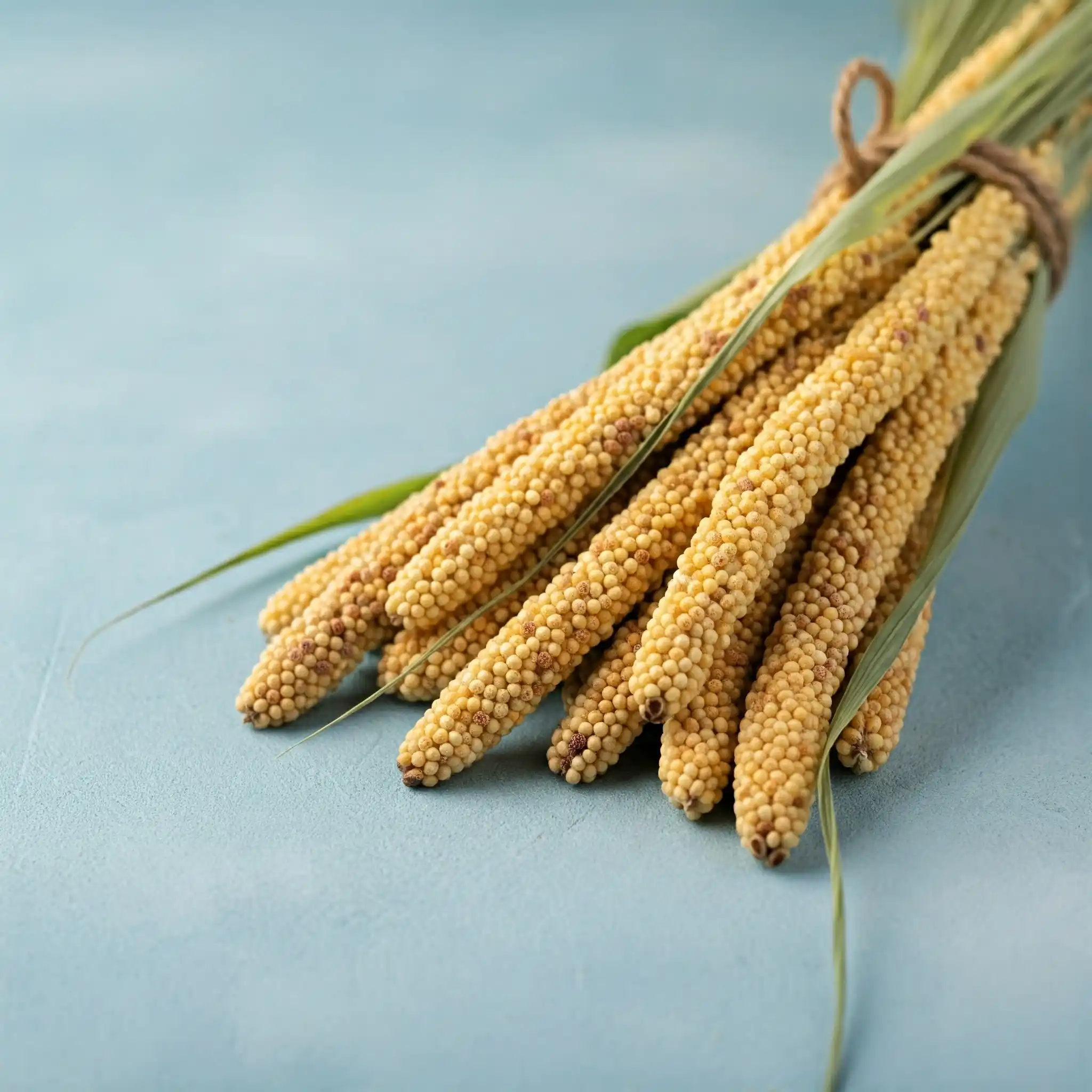
Ragi, also known as finger millet or nachni, is an ancient grain that has been a staple food in India for centuries. While it might not be as popular as wheat or rice, ragi boasts an impressive nutritional profile and offers a wide range of health benefits. In this blog post, we'll explore ragi, its incredible advantages, and why you should consider adding it to your diet. Let's understand ragi health benefits together!
Nutritional Information of Ragi
Ragi is a nutritional powerhouse, loaded with essential vitamins and minerals. It's a great source of:
Calcium: Crucial for strong bones and teeth. Ragi contains more calcium than any other cereal, making it especially beneficial for growing children and older adults. In fact, a single serving of ragi can provide a significant portion of your daily calcium needs. This helps in the development and maintenance of strong bones and teeth, reducing the risk of osteoporosis and fractures.
Iron: Essential for healthy blood and preventing anaemia. Ragi is a good source of iron, which helps transport oxygen throughout the body. Iron deficiency can lead to fatigue, weakness, and impaired cognitive function. Including ragi in your diet can help ensure adequate iron intake and prevent these issues.
Fibre: Promotes digestive health and helps regulate blood sugar levels. Ragi is high in fibre, keeping you feeling full and satisfied. This can aid in weight management and prevent overeating. Fibre also promotes regular bowel movements, preventing constipation and promoting gut health.
Protein: Important for building and repairing tissues. Ragi is a decent source of protein, especially for vegetarians and vegans. Protein is essential for various bodily functions, including muscle growth and repair, hormone production, and enzyme activity.
Antioxidants: Protect cells from damage caused by free radicals. Ragi contains antioxidants that may help reduce the risk of chronic diseases. These antioxidants help fight oxidative stress, which can contribute to aging and various health problems.
B Vitamins: Ragi is a good source of B vitamins, including thiamine, riboflavin, and niacin, which are essential for energy production, nerve function, and metabolism.
Ragi Nutritional Value
It's tricky to give an exact nutrition chart for ragi, as it varies slightly based on the specific type, how it's processed, and even soil conditions where it's grown.
However, here's a general idea using a 100g serving of raw ragi:
Calories
328 kcal
Protein
7.3 g
Carbohydrates
72 g
Fibre
11.5 g
Fat
1.3 g
Calcium
344 mg
Iron
3.9 mg
Potassium
408 mg
Magnesium
137 mg
Phosphorus
283 mg
Zinc
2.7 mg
Ragi Health Benefits You Shouldn't Miss!
1. Promotes Heart Health
Ragi is rich in magnesium and potassium, which help regulate blood pressure. Its high fibre content also helps lower cholesterol levels, reducing the risk of heart disease. By maintaining healthy blood pressure and cholesterol levels, ragi can help reduce the risk of heart attacks, strokes, and other cardiovascular diseases.
2. Aids in Weight Management
The high fibre content in ragi keeps you feeling full for longer, reducing overall calorie intake and aiding in weight loss. It also helps regulate blood sugar levels, preventing cravings and overeating. By keeping you feeling satiated and preventing blood sugar spikes, ragi can be a valuable tool for managing your weight and achieving your weight loss goals.
3. Improves Digestion
Ragi is a good source of both soluble and insoluble fibre, which promotes regular bowel movements and prevents constipation. It also helps improve gut health by promoting the growth of beneficial bacteria. A healthy gut is crucial for overall health and well-being, and ragi can play a significant role in maintaining a healthy digestive system.
4. Boosts Brain Function
Ragi contains amino acids like tryptophan, which helps improve memory and cognitive function. It also helps reduce stress and anxiety. Tryptophan is a precursor to serotonin, a neurotransmitter that plays a role in mood regulation, sleep, and appetite.
5. Strengthens Bones
With its high calcium content, ragi is excellent for maintaining bone density and preventing osteoporosis. This is particularly important for women and older adults. Adequate calcium intake is crucial for preventing bone loss and maintaining strong bones throughout life.
6. Controls Diabetes
Ragi has a low glycemic index, which means it releases sugar into the bloodstream slowly. This helps regulate blood sugar levels, making it a good choice for people with diabetes. By preventing rapid spikes in blood sugar levels, ragi can help manage diabetes and reduce the risk of complications.
7. Good for Skin and Hair
Ragi contains antioxidants and amino acids that promote healthy skin and hair. It may help reduce wrinkles, improve skin elasticity, and strengthen hair follicles. The antioxidants in ragi protect the skin from damage caused by free radicals, while the amino acids provide the building blocks for healthy hair growth.
8. Gluten-Free Option
Ragi is naturally gluten-free, making it a safe and healthy alternative for people with celiac disease or gluten intolerance. This makes it a versatile grain that can be enjoyed by people with various dietary restrictions.
9. Improves Lactation
Ragi is traditionally believed to improve lactation in breastfeeding mothers. It is a good source of iron and calcium, which are essential for both the mother and the baby.
10. May Help Prevent Cancer
Some studies suggest that ragi may have anti-cancer properties due to its antioxidant content. It may help protect against certain types of cancer, although more research is needed in this area.
11. Boosts Energy Levels
Ragi is a good source of complex carbohydrates, which provide sustained energy throughout the day. This makes it an excellent choice for people with active lifestyles.
12. Easy to Digest
Besides the other benefits of nachni or ragi, it is relatively easy to digest, making it a good choice for people with sensitive stomachs or digestive issues.
Side Effects of Ragi
While ragi is generally safe for most people, excessive consumption may lead to:
Kidney stones: Ragi is high in oxalates, which can contribute to kidney stones in susceptible individuals.
Thyroid issues: Ragi contains goitrogens, which may interfere with thyroid function in people with existing thyroid conditions.
Easy Recipes with Ragi
Ragi porridge: A simple and nutritious breakfast option.
Ragi dosa: A delicious and healthy South Indian crepe.
Ragi roti: A fibre-rich flatbread.
Ragi cookies: A healthy and tasty snack.
Ragi ladoo: A sweet treat made with ragi flour, jaggery, and nuts.
In Conclusion
Ragi is a truly remarkable grain with a wide array of ragi health benefits. From promoting heart health and aiding in weight management to improving digestion and boosting brain function, ragi has something to offer everyone. Its impressive nutritional profile and versatility make it a valuable addition to any diet. So why not give ragi a try and experience its amazing benefits for yourself?
FAQs
Is ragi good for weight loss?
Yes, ragi's high fibre content helps promote weight loss by keeping you feeling full and satisfied.
Can diabetics eat ragi?
Yes, ragi has a low glycemic index, making it a good choice for diabetics.
How do I include ragi in my diet?
You can include ragi in your diet in various ways, such as porridge, dosa, roti, and ladoo.
Where can I buy ragi?
Ragi is available in most grocery stores and supermarkets. You can also find it online.
For more health-related content, visit our Dawaa Dost website. You will also get access to quality medicines and healthcare products, all at affordable prices. Check it now!
Disclaimer: This article is intended for informational purposes only and should not be considered a substitute for professional medical advice. Always consult a qualified healthcare provider for diagnosis and treatment of any health condition.




 0
0