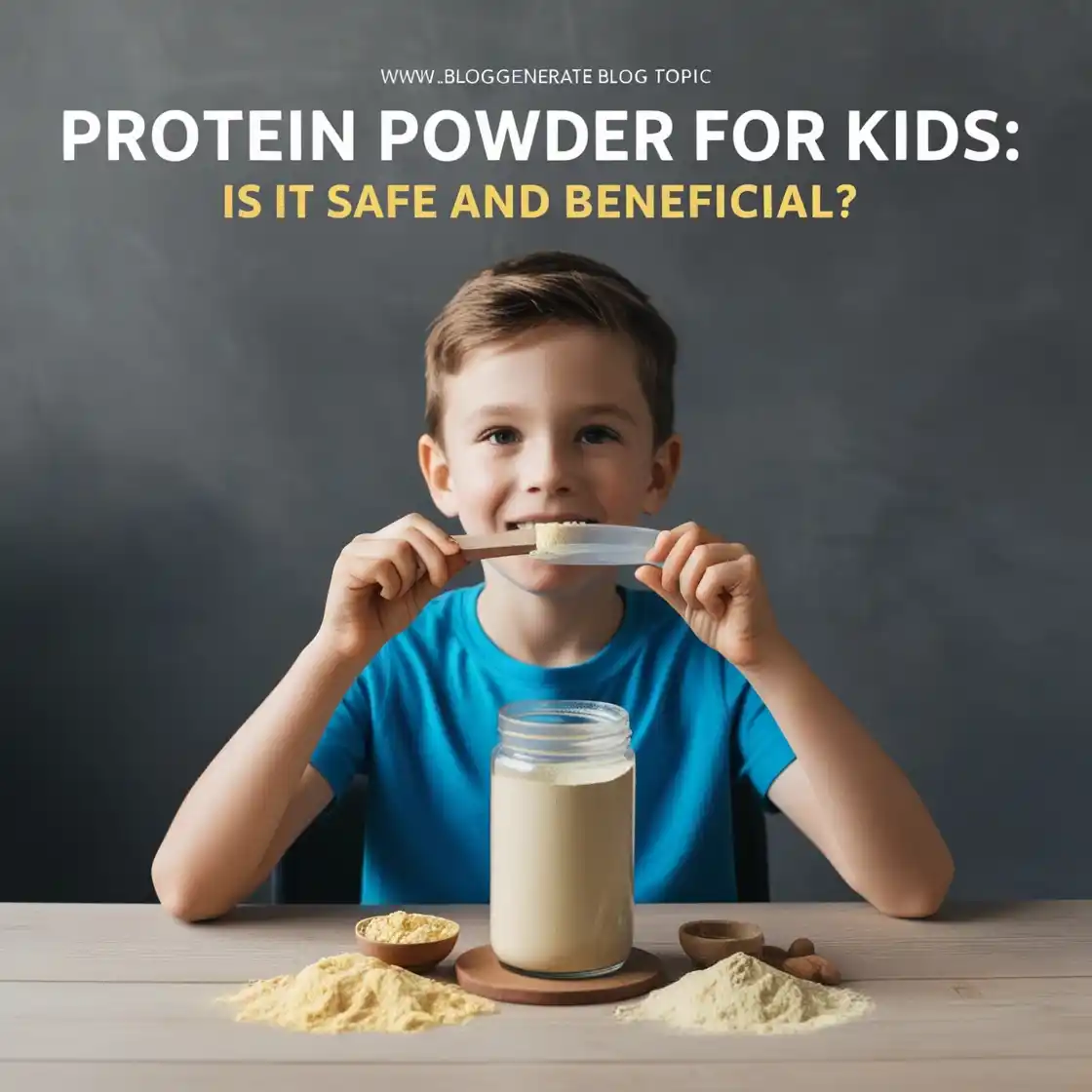
As parents, ensuring our children receive proper nutrition is one of our top priorities. With countless health supplements available today, protein powder for kids has gained significant attention. But is it safe? Do children really need it? Questions like “Can kids drink protein shakes?”, “Is protein powder good for kids?”, and “Can toddlers have protein powder?” are frequently asked by concerned parents.
In this detailed blog, we’ll explore all these concerns and provide insights into the safety, benefits, and limitations of using protein powder for kids and toddlers.
Protein plays a vital role in your child’s development. It helps build muscles, repair tissues, produce enzymes and hormones, and strengthen the immune system. While most children get enough protein from their daily diet—including foods like eggs, milk, chicken, fish, beans, and nuts—some kids may need a little extra, especially if they are picky eaters, highly active, or have specific medical conditions.
How Much Protein Do Kids Need?
The daily protein requirements for children vary based on their age:
A balanced diet usually meets these needs. However, in cases of dietary restrictions or higher activity levels, supplements like protein powder for kids may be considered.
One of the most common questions parents ask is, “Can kids drink protein shakes?” The answer is yes, but with some caveats. Protein powder can be included in a child’s diet when necessary, but it should not be treated as a replacement for whole foods.
For instance, if your child is a fussy eater and doesn’t consume enough high-protein foods, protein shakes can provide a convenient solution. Additionally, highly active kids, such as those involved in sports, may require extra protein for muscle repair and energy.
What About Adult Protein Shakes?
Parents often wonder, “Can kids drink adult protein shakes?” or “Can kids eat protein powder designed for adults?” Adult protein shakes are generally not recommended for children. They often contain additives like caffeine, creatine, or high sugar levels, which are unsuitable for kids. It’s best to opt for protein powders specifically designed for children, which are formulated to be safe and age-appropriate.
Safety is the primary concern for parents when it comes to supplements. Questions like “Can toddlers have protein powder?” or “Is protein powder safe for kids?” are crucial to address.
In general, protein powder is safe for children when used responsibly and in moderation. For toddlers, it’s essential to consult a pediatrician before introducing any supplements. Most toddlers get adequate protein from breast milk, formula, or solid foods, and additional supplementation is rarely required.
When Can Toddlers Have Protein Powder?
Toddler protein powder may be considered in specific cases:
If you’re considering protein powder for toddlers, choose a product free from artificial additives, sugar, and fillers.
While protein powder isn’t necessary for most children, there are certain scenarios where it might be beneficial:
However, it’s always best to consult a healthcare professional before introducing kids’ protein powder into your child’s diet.
Yes, protein shakes can be beneficial for kids in moderation. They can be a quick, tasty, and effective way to supplement your child’s diet. But it’s important to remember that protein shakes are supplements, not meal replacements.
Instead of relying solely on protein powders, focus on whole foods like milk, yogurt, eggs, beans, and lentils. Parents often ask, “Can kids drink protein shakes daily?” or “Are protein shakes good for kids during sports?” The answer depends on their overall diet, activity level, and nutritional needs.
If you’re considering protein powder for your child, choose one that meets these criteria:
Protein powder for kids can be a helpful supplement for picky eaters, active children, or those with dietary restrictions. However, whole foods should always take precedence. If you’re considering protein powder for your child or toddler, choose a high-quality, kid-friendly product and consult your pediatrician for guidance.
Whether you’re exploring “Can toddlers have protein powder?”, “Is protein powder safe for kids?”, or “Can kids drink protein shakes?”, remember that every child’s nutritional needs are unique. Supplements can be beneficial, but they should always be used responsibly and under medical advice.
For more health-related content, visit our Dawaa Dost website. You will also get access to quality medicines and healthcare products, all at affordable prices. Check it out now!
1. Can kids drink protein shakes every day?
Protein shakes can be consumed occasionally if needed, but they shouldn’t replace a balanced diet. Consult a pediatrician to determine the right frequency.
2. Can toddlers have protein powder?
Yes, but only in specific circumstances and under medical supervision. Choose toddler-specific protein powders with natural, clean ingredients.
3. Is whey protein safe for kids?
Whey protein is generally safe for kids if it’s free of additives and used in moderation. It’s best suited for older children or active teens.
4. Can kids drink adult protein shakes?
No, adult protein shakes often contain ingredients that are not safe or necessary for kids. Opt for protein powders formulated for children instead.
5. Can babies have protein powder?
No, babies under one year do not need protein powder. Breast milk or formula provides all the protein they need.
6. Are protein shakes good for kids during sports?
Yes, active kids can benefit from protein shakes for muscle recovery and energy. However, whole foods like milk, eggs, or yogurt can also serve this purpose.
7. Can children have protein powder instead of food?
No, protein powder should only supplement a child’s diet, not replace meals. Whole foods should always be the primary source of nutrition.
8. Can toddlers have whey protein?
Whey protein can be used for toddlers only if a healthcare provider recommends it. Look for a toddler-friendly formula that’s gentle on the stomach.
Disclaimer: This article is intended for informational purposes only and should not be considered a substitute for professional medical advice. Always consult a qualified healthcare provider for diagnosis and treatment of any health condition.
Our Services
Knowledge Base
Fetured Categories
© 2026 DawaaDost. All rights reserved. In compliance with Drugs and Cosmetics Act, 1940 and Drugs and Cosmetics Rules, 1945, we don't process requests for Schedule X and other habit forming drugs.