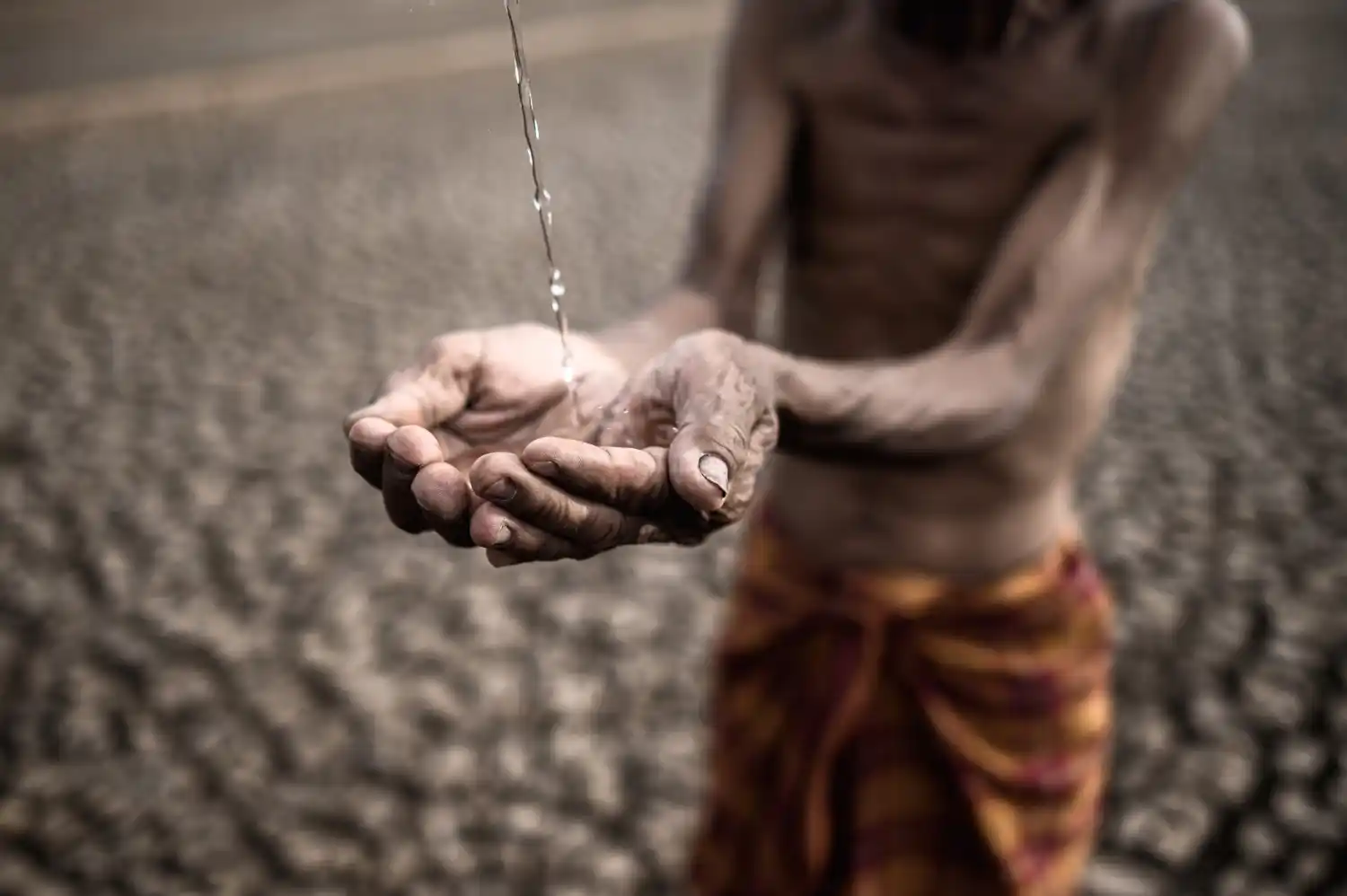
Malnutrition is a serious condition that arises from an imbalance in nutrient intake, whether it's a deficiency, excess, or imbalance of essential nutrients like vitamins, minerals, proteins, carbohydrates, and fats. It's a silent epidemic affecting millions, especially in developing countries and vulnerable populations. While often associated with undernutrition and starvation, malnutrition encompasses a broader spectrum, including overnutrition and micronutrient deficiencies.
In this blog post, we'll cover the complexities of malnutrition, its causes, devastating impacts, and ways we can work towards a healthier and nourished world, with a special emphasis on the situation in India.
Types of Malnutrition
Undernutrition
This occurs when a person doesn't consume enough calories, protein, or other essential nutrients to meet their body's needs. It can lead to wasting (low weight for height), stunting (low height for age), and underweight (low weight for age). Children are particularly vulnerable to undernutrition, as it can impair their physical and cognitive development.
Micronutrient Deficiencies
These deficiencies occur when the body lacks essential vitamins and minerals, even if overall calorie intake is adequate. Common micronutrient deficiencies include iron, vitamin A, iodine, and zinc. They can lead to various health problems, including anaemia, impaired immune function, and developmental delays.
Overnutrition
This is also a type of malnutrition. It occurs when a person consumes excessive calories, leading to overweight and obesity. Overnutrition is a growing problem globally, contributing to chronic diseases like heart disease, diabetes, and certain types of cancer.
Causes of Malnutrition
Malnutrition stems from a complex interplay of factors:
- Poverty and Food Insecurity: Limited access to nutritious food due to poverty is a major driver of malnutrition, especially in developing countries.
- Conflict and Displacement: Wars and natural disasters disrupt food production and distribution systems, leaving populations vulnerable to malnutrition.
- Poor Dietary Practices: Unhealthy eating habits, lack of nutritional knowledge, and reliance on processed foods can contribute to malnutrition even in food-secure settings.
- Disease and Infections: Certain illnesses, such as diarrhoea, HIV/AIDS, and tuberculosis, can interfere with nutrient absorption and increase the risk of malnutrition.
- Inadequate Infant and Young Child Feeding Practices: Not breastfeeding, early introduction of solid foods, and inappropriate complementary feeding practices can lead to malnutrition in young children.
The Burden of Malnutrition in India
India, despite its economic progress, continues to grapple with a significant burden of malnutrition. The problem is particularly acute among children, women, and marginalized communities.
According to Global Hunger Index, India ranks 111th out of 125 countries and is said to have the highest number of undernourished people globally. A significant proportion of children under five suffer from stunting, wasting, and underweight, impacting their physical and cognitive development.
While undernutrition persists, India is also witnessing a rise in overnutrition and obesity, particularly in urban areas. This 'double burden' poses a unique challenge to public health efforts.
Impact of Malnutrition
Malnutrition has far-reaching consequences for individuals and societies:
Impaired Physical and Cognitive Development: In children, malnutrition can stunt growth, weaken the immune system, and hinder brain development, leading to lifelong consequences.
Increased Susceptibility to Disease: Malnourished individuals are more prone to infections and illnesses, and they may experience delayed wound healing.
Reduced Productivity: Malnutrition can lead to fatigue, weakness, and decreased work capacity, affecting productivity and economic development.
Increased Mortality: Malnutrition is a major contributor to mortality, especially among children under five.
Economic Burden: Malnutrition places a significant burden on healthcare systems and economies, hindering development and progress.
Combating Malnutrition
Addressing malnutrition requires a multi-faceted approach:
Improving Food Security
Increasing access to nutritious food through sustainable agriculture, social safety nets, and food assistance programs is crucial.
Promoting Healthy Diets
Educating communities about nutrition, encouraging breastfeeding, and promoting diverse and balanced diets are key interventions.
Addressing Underlying Causes
Tackling poverty, conflict, and inequality is essential for long-term solutions to malnutrition.
Treating and Preventing Infections
Timely treatment of infections and preventative measures like vaccination and hygiene promotion can reduce the burden of malnutrition.
Supporting Vulnerable Populations
Providing targeted interventions for pregnant and lactating women, infants, young children, and the elderly is crucial.
Government Initiatives in India
India has implemented various programs to combat malnutrition, such as the Integrated Child Development Services (ICDS) scheme, the Mid-Day Meal Scheme, and the National Nutrition Mission (Poshan Abhiyaan). However, challenges remain in terms of implementation, monitoring, and reaching the most vulnerable populations.
Concluding Thoughts
Malnutrition is a complex global challenge with devastating consequences. In India, despite progress, the burden of malnutrition remains significant. However, with continuous efforts from the government, organizations, and individuals, we can combat malnutrition and ensure that everyone has access to the nourishment they need to thrive.
By addressing its root causes, implementing comprehensive interventions, and strengthening existing programs, it is possible to create a healthier and more equitable future for all.
Looking for affordable medicines and healthcare products but don't know where to buy them? Check out our Dawaa Dost website where we make quality and affordable medicines accessible to all!
Sources:
https://www.globalhungerindex.org/india.html
Image Source: Image by jcomp on Freepik




 0
0