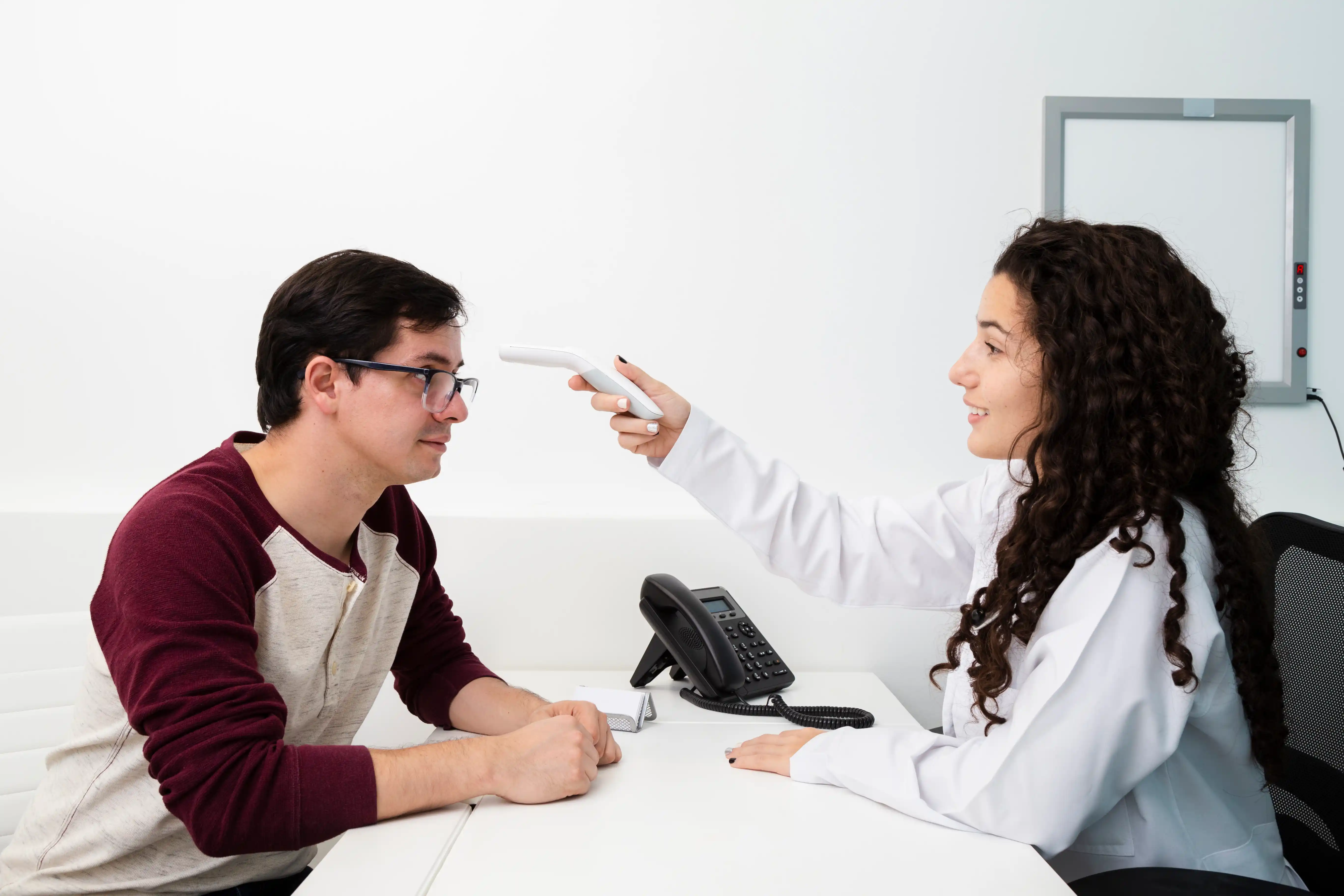
Diabetes is a chronic condition that affects millions of people worldwide, and its impact extends far beyond just blood sugar levels. One of the less discussed but highly significant aspects of diabetes is its effect on eye health. Regular diabetic eye exams are crucial for detecting and preventing complications that could lead to vision loss. This blog will explore why diabetic eye exams are important, what to expect during these exams, common diabetes-related eye conditions, and practical tips for maintaining your eye health.
Why Are Diabetic Eye Exams Essential?
Diabetes can lead to severe complications if left unchecked, and your eyes are particularly vulnerable. The high blood sugar levels associated with diabetes can damage the blood vessels in your eyes, increasing the risk of vision problems and blindness. Here are some of the key reasons why diabetic eye exams are critical:
- Early Detection of Diabetic Retinopathy
Diabetic retinopathy is one of the most common complications of diabetes and a leading cause of blindness in adults. Regular eye exams can detect this condition early, even before noticeable symptoms develop. Early detection makes treatment more effective. - Prevention of Severe Vision Loss
Timely diagnosis and treatment of eye conditions can prevent vision loss or slow its progression, ensuring a better quality of life for individuals with diabetes. - Monitoring Overall Eye Health
Diabetic eye exams do not just focus on retinopathy; they also screen for other conditions such as glaucoma, cataracts, and macular edema, all of which are more prevalent among diabetics. - Improved Diabetes Management
Eye health can act as a barometer for overall diabetes control. Changes in your vision might indicate that your blood sugar levels need closer monitoring.
What Happens During a Diabetic Eye Exam?
If you have diabetes, an annual eye exam is essential. These exams are specialized to detect diabetes-related complications. Here is what a typical diabetic eye exam includes:
- Medical History Review
The eye doctor will begin by asking about your medical history, including how well you manage your diabetes and any symptoms you might be experiencing, such as blurry vision or floaters. - Visual Acuity Test
This test measures how well you can see from various distances, helping to identify any changes in your vision. - Dilated Eye Examination
The doctor will use eye drops to dilate your pupils. This allows them to get a clearer view of the retina and optic nerve, enabling them to detect issues like diabetic retinopathy or swelling. - Retinal Imaging or Fundoscopy
Special imaging techniques or fundoscopy tools may be used to capture detailed pictures of your retina. These images help in diagnosing conditions like macular edema or blood vessel damage. - Glaucoma Screening
People with diabetes are at a higher risk of glaucoma, a condition where increased eye pressure damages the optic nerve. Screening for glaucoma is a standard part of the diabetic eye exam. - Optical Coherence Tomography (OCT)
This non-invasive imaging test provides detailed cross-sectional images of your retina. OCT is especially useful for identifying early signs of macular edema or other structural changes in the retina.
Common Eye Problems Associated with Diabetes
People with diabetes are at an increased risk of several eye conditions. Here are the most common ones:
Diabetic Retinopathy
This condition occurs when high blood sugar levels damage the tiny blood vessels in the retina. In its early stages, diabetic retinopathy may not have noticeable symptoms. However, if left untreated, it can lead to severe vision loss.
Macular Edema
This occurs when fluid builds up in the macula, the part of the retina responsible for sharp central vision. It often accompanies diabetic retinopathy and requires timely treatment to prevent vision impairment.
Glaucoma
Diabetes doubles the risk of developing glaucoma, which damages the optic nerve due to increased pressure in the eye. Regular screening is essential, as glaucoma often progresses without symptoms in its early stages.
Cataracts
Diabetics are more likely to develop cataracts, a condition where the lens of the eye becomes cloudy, leading to blurry or dim vision. Cataracts can occur at an earlier age in diabetics than in the general population.
Tips for Maintaining Eye Health
Managing your diabetes effectively is the first step toward protecting your vision. Here are some additional tips to ensure good eye health:
Control Blood Sugar Levels
Keeping your blood sugar within the recommended range reduces the risk of complications like diabetic retinopathy. Regular monitoring using a glucometer can help you stay on track.
Monitor Blood Pressure and Cholesterol
High blood pressure and cholesterol can exacerbate diabetes-related eye conditions. Make sure to keep these in check through medication, diet, and exercise.
Quit Smoking
Smoking increases the risk of diabetes complications, including eye problems. If you smoke, quitting is one of the best things you can do for your overall health.
Eat a Balanced Diet
A diet rich in antioxidants, omega-3 fatty acids, and vitamins like A, C, and E can support eye health. Include leafy greens, fish, nuts, and fruits in your meals.
Stay Active
Regular exercise helps improve blood circulation, which is beneficial for eye health. Even moderate activities like walking can make a difference.
Schedule Regular Eye Exams
Make annual diabetic eye exams a priority. If you notice any changes in your vision, such as blurred sight, floaters, or difficulty seeing at night, consult your eye doctor immediately.
How a Glucometer Helps in Managing Eye Health
One of the best ways to prevent diabetes-related eye problems is to keep your blood sugar levels under control. A glucometer is a convenient tool that allows you to check your blood sugar levels at home. By tracking your readings consistently, you can make informed decisions about your diet, medication, and lifestyle, ultimately protecting your eye health.
FAQs
What is a diabetic eye exam?
A diabetic eye exam is a comprehensive eye check-up specifically designed to detect and monitor diabetes-related complications, such as retinopathy, macular edema, glaucoma, and cataracts.
How often should I have a diabetic eye exam?
It is recommended to have a diabetic eye exam at least once a year. If complications are detected, your doctor may advise more frequent check-ups.
What are the early signs of diabetic eye problems?
Early signs include blurry vision, floaters, difficulty seeing at night, or dark spots in your field of vision.
Can diabetic eye conditions be treated?
While some conditions, like cataracts, can be corrected through surgery, others, like diabetic retinopathy, may require treatments like laser therapy or injections to prevent progression.
Are diabetic eye exams painful?
No, diabetic eye exams are generally painless. Some people may feel mild discomfort from the eye drops used to dilate the pupils.
Is vision loss due to diabetes reversible?
In many cases, vision loss can be slowed or prevented if eye problems are detected early. However, some damage may be permanent, emphasizing the importance of regular exams.
Conclusion
A diabetic eye exam is a critical part of managing diabetes and protecting your vision. By identifying complications early, you can take steps to prevent vision loss and maintain a good quality of life. Along with regular eye exams, controlling your blood sugar levels and adopting a healthy lifestyle are key to preserving your eyesight.
To monitor your blood sugar effectively, consider using a reliable glucometer. Dr Morepen Gluco One Strips BG03 - 25 Tests can help you keep track of your levels and take control of your health.




 0
0