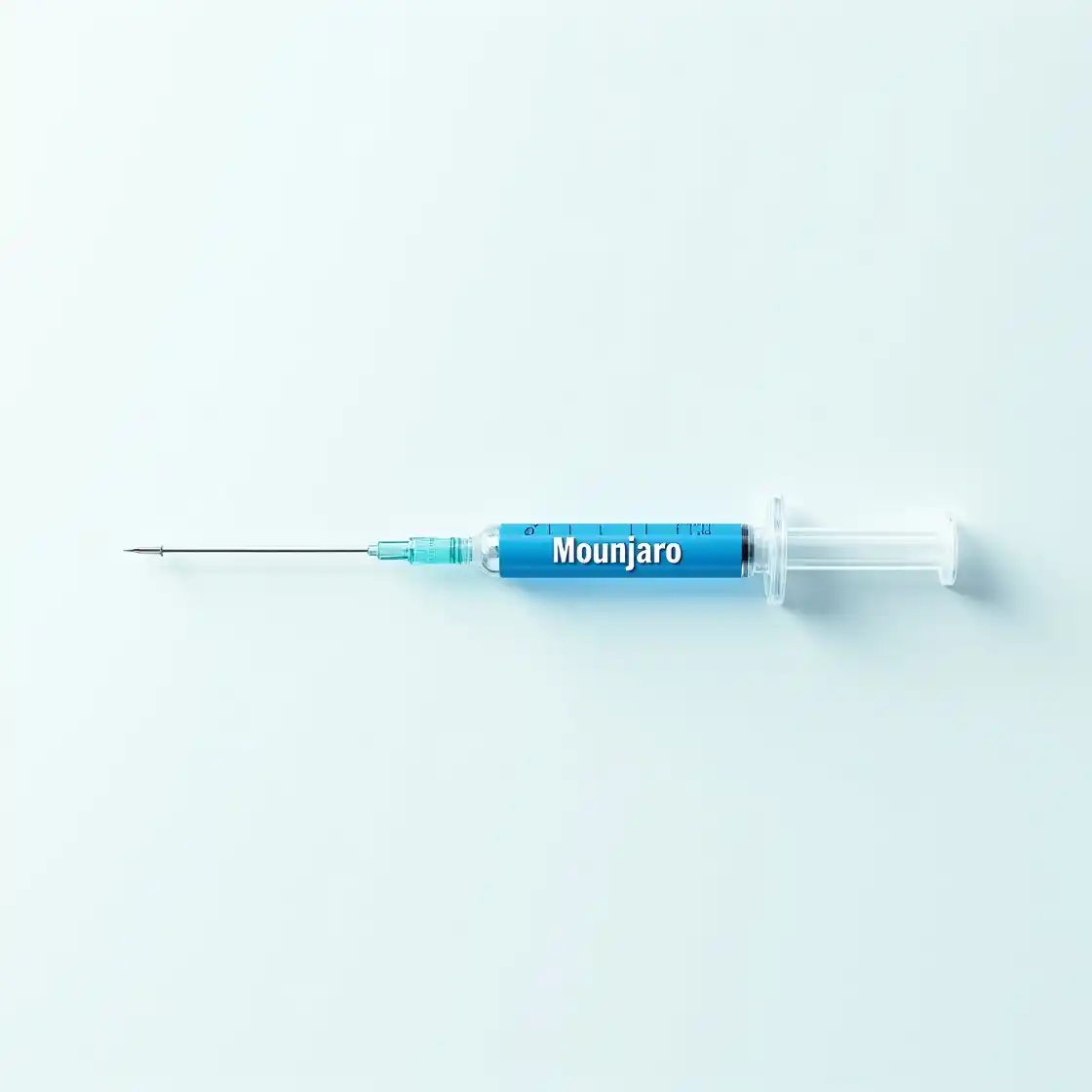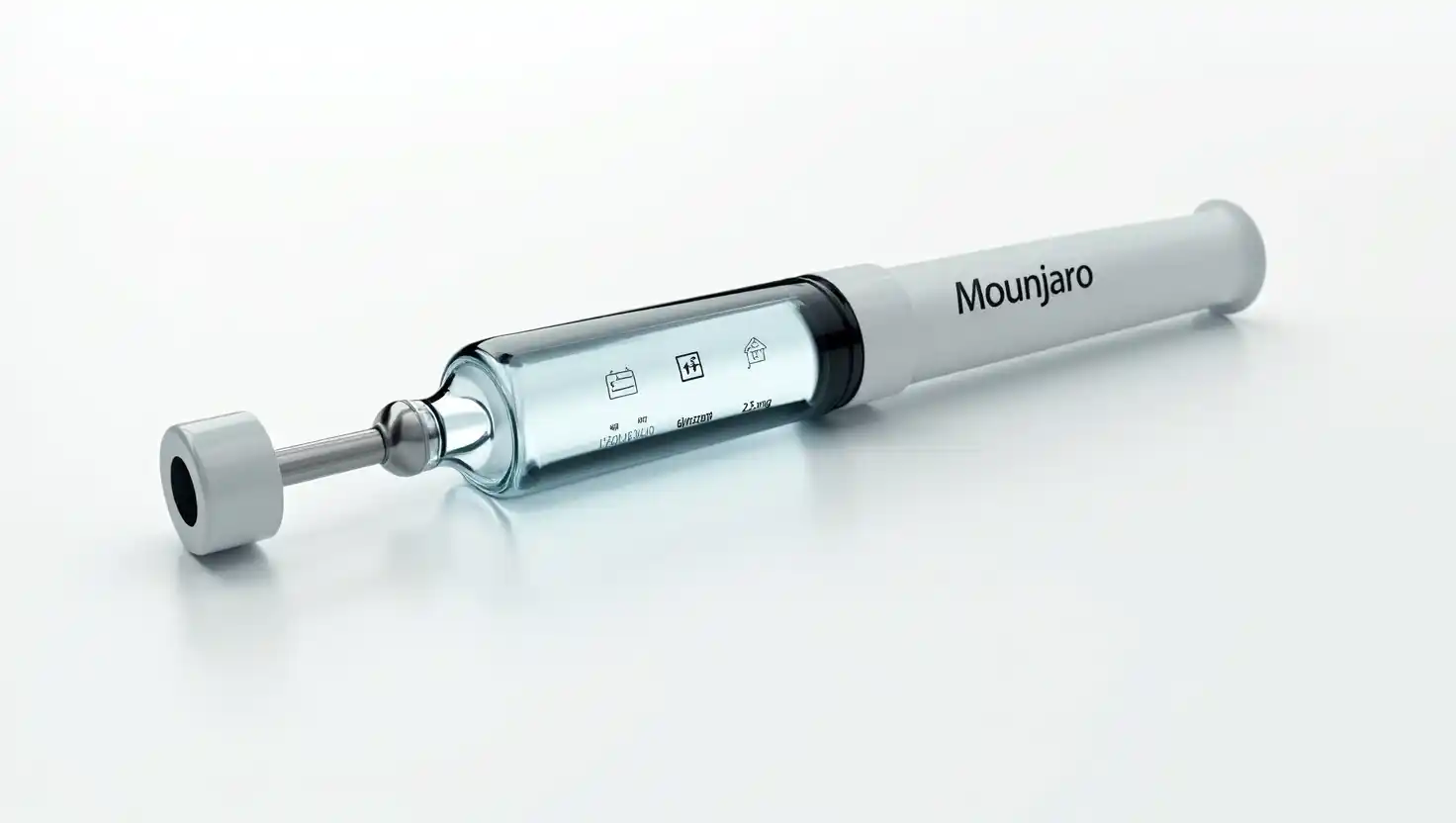
Managing type 2 diabetes is a complex challenge that requires more than just medication. For years, insulin has been the primary medication to control blood sugar, especially in those whose bodies can't produce enough insulin. However, a newer treatment, Mounjaro (tirzepatide), has emerged as a potential game-changer in diabetes management. With the growing interest in Mounjaro vs. Insulin, this blog aims to explore how Mounjaro stacks up against insulin, its potential benefits, and whether it could replace insulin therapy for people with type 2 diabetes.
Mounjaro is a recently approved medication for the treatment of type 2 diabetes. It’s a dual-action drug, combining the effects of a GLP-1 receptor agonist and a GIP receptor agonist. Both of these receptors are involved in regulating blood sugar and appetite. The goal of Mounjaro is to improve blood sugar control while helping with weight loss—a critical challenge for those with type 2 diabetes.
Mounjaro and insulin both help regulate blood glucose levels, but their mechanisms of action differ significantly. Let’s break down the comparison:
For many individuals with type 2 diabetes, fast-acting insulin is prescribed to manage post-meal blood sugar spikes. Here’s how it works:
A common question many ask is whether Mounjaro can replace insulin for managing type 2 diabetes. The answer depends on individual circumstances:
Managing weight is a significant concern for people with type 2 diabetes, as excess weight can worsen insulin resistance. Mounjaro provides an exciting opportunity for weight loss with diabetes:
As research and clinical trials progress, Mounjaro’s benefits are becoming more apparent. While insulin remains the cornerstone of type 2 diabetes treatment, Mounjaro could serve as a powerful alternative or complementary option.
Pros of Mounjaro:
Pros of Insulin:
Available in multiple forms, including fast-acting and long-acting insulins.
In the Mounjaro vs. Insulin debate, it’s clear that both treatments have distinct roles in managing type 2 diabetes. For those who struggle with weight gain and insulin resistance, Mounjaro’s ability to promote weight loss and improve insulin sensitivity may offer a compelling alternative or supplement to traditional insulin therapy.
Ultimately, consulting with your healthcare provider is crucial to determine the right treatment plan for your unique situation. With the evolution of diabetes treatments, Mounjaro represents a hopeful advancement that could change how we approach diabetes management for years to come. You can buy or know more about mounjaro for diabetes on Dawaadost.
What is Mounjaro (tirzepatide) and how does it work?
Mounjaro is a dual-action medication for type 2 diabetes that combines GLP-1 and GIP receptor agonists. It improves blood sugar control by increasing insulin production and reducing glucose production in the liver, while also promoting weight loss.
2. Can Mounjaro replace insulin for managing type 2 diabetes?
Mounjaro can reduce the need for insulin, especially fast-acting insulin, by enhancing the body's natural insulin response. However, it may not completely replace insulin therapy, particularly in advanced cases of diabetes.
3. How often do I need to take Mounjaro?
Mounjaro is injected once a week, making it a more convenient treatment option compared to daily insulin injections.
4. Does Mounjaro help with weight loss?
Yes, Mounjaro has been shown to help patients lose weight, which can improve insulin sensitivity and overall blood sugar control.
5. Is Mounjaro more expensive than insulin?
Mounjaro may have a higher upfront cost, but its potential for weight loss and better blood sugar control could reduce overall healthcare costs in the long term.
Disclaimer: This article is intended for informational purposes only and should not be considered a substitute for professional medical advice. Always consult a qualified healthcare provider for diagnosis and treatment of any health condition.
Our Services
Knowledge Base
Fetured Categories
© 2026 DawaaDost. All rights reserved. In compliance with Drugs and Cosmetics Act, 1940 and Drugs and Cosmetics Rules, 1945, we don't process requests for Schedule X and other habit forming drugs.