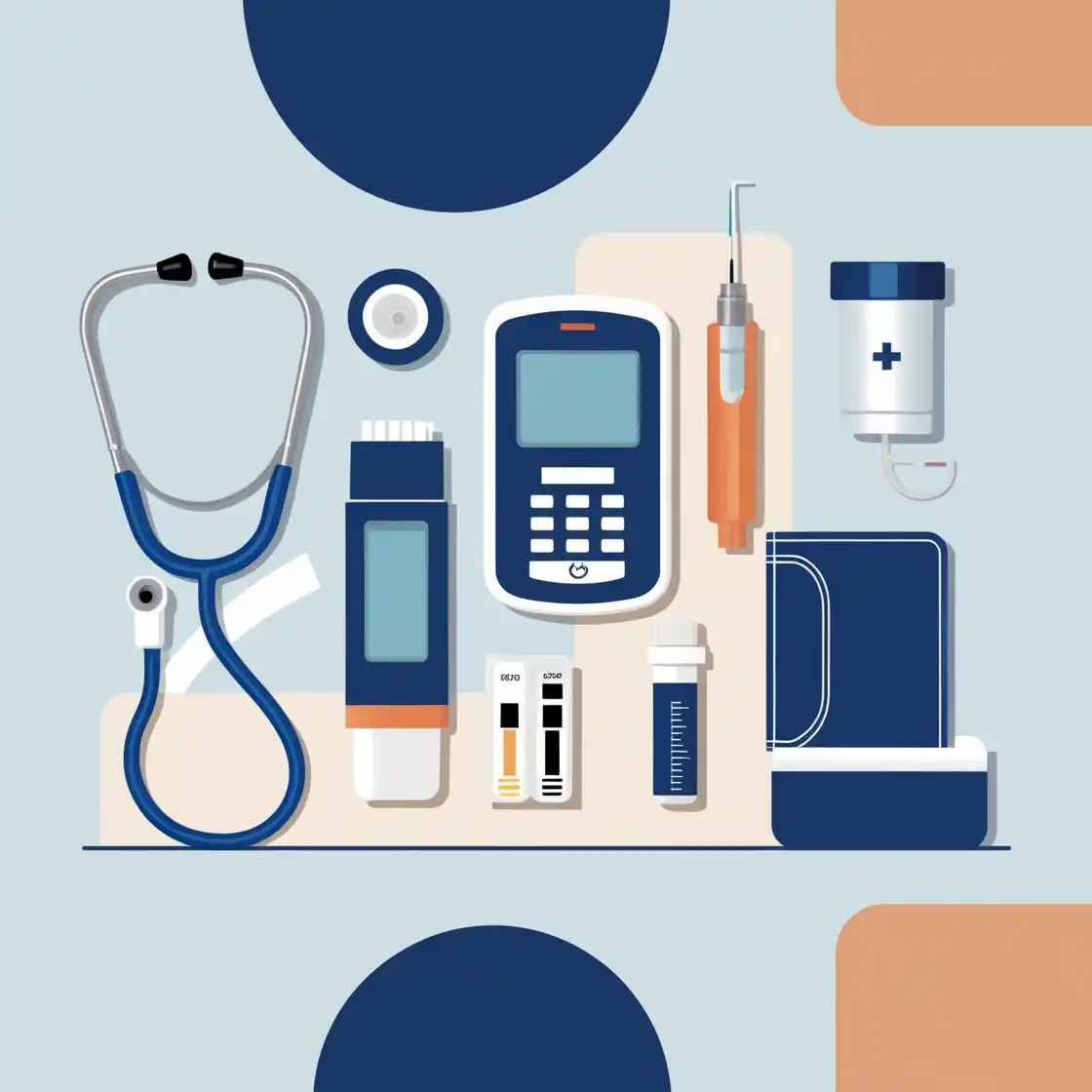
Diabetes has become one of the most pressing health challenges of our time, with millions of people affected worldwide. Early detection and proactive health management can be life-changing, helping individuals prevent or delay the onset of diabetes and avoid serious complications. By understanding the key diagnostic tests available, individuals can take control of their health, monitor risk factors, and make informed lifestyle changes to manage or prevent diabetes.
This guide explores the essential diagnostic tests for diabetes prevention and early detection, why early detection matters, and how often to get tested. With timely knowledge and action, you can significantly reduce the impact of diabetes on your life.
Why Early Detection of Diabetes Matters?
Diabetes is often called a 'silent disease' because it can develop and progress without noticeable symptoms, especially in its early stages. This silent progression is why early detection is essential. Catching diabetes in its prediabetic stage can enable individuals to make lifestyle changes, monitor blood glucose levels, and potentially reverse prediabetes altogether. For those already diagnosed with diabetes, regular monitoring helps in managing the disease effectively, preventing complications like cardiovascular disease, nerve damage, and kidney problems.
Being informed and proactive about diabetes testing allows you to take preventive measures, which can contribute to a better quality of life and longevity.
Key Diagnostic Tests for Diabetes Prevention and Early Detection
Let's delve into the primary tests used to detect diabetes or prediabetes. Each test has its unique purpose and provides different insights into your glucose metabolism and overall health.
1. Fasting Blood Sugar Test (FBS)
The fasting blood sugar test is one of the most common tests for diagnosing diabetes and prediabetes. This test measures your blood glucose level after fasting for at least eight hours, usually performed in the morning before eating.
- Normal range: Less than 100 mg/dL.
- Prediabetes range: 100–125 mg/dL.
- Diabetes diagnosis: 126 mg/dL or higher on two separate occasions.
This test helps determine how effectively your body manages blood glucose levels in the absence of recent food intake. A high fasting blood sugar level may indicate impaired glucose metabolism and an increased risk of diabetes. Health professionals recommend this test for anyone over 45 or for younger individuals with risk factors like obesity, a sedentary lifestyle, or a family history of diabetes.
2. Oral Glucose Tolerance Test (OGTT)
The oral glucose tolerance test (OGTT) is an important diagnostic test used to assess your body’s ability to metabolize glucose. After fasting, you consume a glucose-rich liquid, and your blood sugar levels are measured at intervals over the next two hours. The OGTT is particularly helpful for detecting gestational diabetes in pregnant women and is also a reliable test for diagnosing type 2 diabetes.
- Normal result: Less than 140 mg/dL after two hours.
- Prediabetes range: 140–199 mg/dL.
- Diabetes diagnosis: 200 mg/dL or higher.
This test offers a clear view of how well your body can handle sugar. It’s especially useful for people with risk factors, such as high blood pressure or a strong family history of diabetes, who may not show typical signs in other tests. The OGTT is recommended less frequently than other tests because it is time-intensive, but it remains a critical tool for understanding glucose metabolism.
3. HbA1c Test
The HbA1c test, also known as the glycated hemoglobin test, measures your average blood glucose levels over the past two to three months. It provides a longer-term view of blood sugar control, which is especially useful for ongoing monitoring in those with diabetes.
- Normal range: Below 5.7%.
- Prediabetes range: 5.7%–6.4%.
- Diabetes diagnosis: 6.5% or higher.
Since this test does not require fasting, it’s a convenient option and is often preferred by healthcare providers for both diagnosis and regular monitoring. By capturing glucose levels over time, the HbA1c test gives a more complete picture of glucose control, helping you and your healthcare provider understand whether your current diabetes management plan is effective.
4. Random Blood Sugar Test (RBS)
The random blood sugar test measures blood glucose levels at any given time, regardless of when you last ate. This test is helpful for a quick assessment and is often used in emergency situations to check for high glucose levels in symptomatic individuals, such as those experiencing frequent thirst, fatigue, or blurred vision.
- Diabetes indication: A reading of 200 mg/dL or higher, especially with accompanying symptoms, suggests diabetes and warrants further testing.
Although it isn’t the primary diagnostic test, an RBS test can provide valuable information about current blood glucose levels. It’s frequently used for routine checks or monitoring in individuals already diagnosed with diabetes.
5. C-Peptide Test
The C-peptide test is used to measure the level of insulin production in the body. C-peptide is a substance produced in equal amounts to insulin, so measuring it helps healthcare providers understand how much insulin your body is producing.
- Low levels: Indicate low insulin production, which is common in type 1 diabetes.
- High levels: May point to insulin resistance, which is common in type 2 diabetes.
This test is especially valuable in differentiating between type 1 and type 2 diabetes, as well as determining whether someone with type 2 diabetes may need insulin therapy.
6. Lipid Profile
Diabetes and high cholesterol levels are closely linked, which is why a lipid profile test is often recommended for those at risk of diabetes. This test measures levels of LDL (bad cholesterol), HDL (good cholesterol), and triglycerides in the blood, which can indicate your risk of cardiovascular disease.
- High LDL and triglyceride levels: Increase the risk of heart disease, which is a common complication of diabetes.
- Low HDL levels: Can also contribute to an elevated risk.
Understanding your cholesterol levels, along with other blood sugar levels, gives a fuller picture of your metabolic health, helping you manage both diabetes and cardiovascular risks more effectively.
7. Urine Microalbumin Test
The urine microalbumin test is used to detect early signs of kidney damage, a common complication in individuals with diabetes. This test measures small amounts of albumin (a protein) in the urine, which can indicate kidney issues before they progress.
- Normal range: Less than 30 mg of albumin per gram of creatinine.
- Elevated levels: Indicate kidney stress or early kidney disease.
People with diabetes should take this test regularly to monitor kidney function and catch potential issues early, as managing kidney health is crucial for long-term diabetes care.
How Often Should You Get Tested?
Regular testing depends on your individual risk factors and health status:
- At-risk individuals (e.g., those over 45, overweight, or with a family history): Annual screening for fasting blood sugar, HbA1c, and lipid profiles.
- Prediabetics: HbA1c and fasting blood sugar tests every 3-6 months.
- Diagnosed diabetics: Regular HbA1c (every 3 months) and periodic checks of fasting blood sugar, lipid profile, and kidney function.
Routine checkups with your healthcare provider will help you stay on top of your glucose levels and other health metrics, ensuring prompt adjustments to your treatment plan if needed.
Interpreting Your Results
Understanding what your test results mean is key to managing or preventing diabetes. Here’s a quick guide:
- Normal Results: Indicate healthy blood sugar levels. Continue with preventive care and annual testing.
- Prediabetes: Signals that glucose levels are higher than normal, but not yet at diabetes levels. Lifestyle changes and monitoring can often reverse this.
- Diabetes Diagnosis: Requires a tailored treatment plan to manage blood glucose levels effectively, often involving medication, dietary changes, and lifestyle modifications.
Conclusion: Take Charge of Your Health with Regular Testing
Proactive diabetes screening is the first step in managing or preventing this chronic condition. With the right tests and regular monitoring, you can catch potential issues early and take action to control your health. An essential tool for managing diabetes or prediabetes is the ability to monitor your glucose levels at home. For this, products like Dr. Morepen Gluco One Strips can provide accurate, convenient readings that support your health journey. Empower yourself with regular testing, knowledge, and the right tools for a proactive approach to diabetes management.




 0
0