Menstrual cramps are a common experience for many people who menstruate. These cramps, also known as dysmenorrhea, can range from a dull ache to debilitating pain in the lower abdomen, back, and thighs. While reaching for pain medication is a common response, you might be surprised to learn that exercise can be a natural and effective way to alleviate menstrual cramps.
This blog post explores the relationship between exercise and menstrual cramps, explaining how physical activity can help and offering tips for incorporating it into your routine.
Why Do Menstrual Cramps Happen?
To understand how exercise helps, it's useful to know why menstrual cramps occur in the first place. During menstruation or periods, the uterus contracts to shed its lining. These contractions are triggered by hormone-like substances called prostaglandins. When prostaglandin levels are high, the contractions can be stronger and more painful, leading to cramps.
Causes of Menstrual Cramps
While prostaglandins are the primary culprits, other factors can contribute to menstrual cramping:
- Endometriosis: A condition where uterine tissue grows outside the uterus.
- Uterine Fibroids: Non-cancerous growths in the uterus.
- Adenomyosis: When the uterine lining grows into the uterine muscle wall.
- Pelvic Inflammatory Disease (PID): An infection of the female reproductive organs.
How Exercise Helps Menstrual Cramps
Period cramps exercise can provide relief from pain in several ways:
- Increased Blood Flow: Physical activity improves blood circulation, which can help reduce pain by delivering oxygen and nutrients to the uterine muscles.
- Endorphin Release: Exercise triggers the release of endorphins, natural painkillers that can help improve mood and reduce pain perception.
- Relaxation and Stress Reduction: Exercise can help reduce stress and promote relaxation, which can ease both physical and emotional tension associated with menstruation.
- Reduced Prostaglandin Production: Some studies suggest that regular exercise may help lower prostaglandin levels, leading to less severe cramps.
Exercises to Relieve Period Cramps
While various types of exercise can be beneficial, the following exercises for menstrual cramps are particularly helpful:
Aerobic Exercise
Walking is a great exercise to ease menstrual cramps. Swimming, cycling, or light dancing are additional activities that can increase blood flow, endorphin production, and ease pain.
How to: Aim for at least 30 minutes of moderate-intensity exercise for period cramps most days of the week. Choose an activity you enjoy and that you can comfortably sustain. Start with a warm-up, gradually increasing your heart rate. Maintain a pace where you can still hold a conversation. Cool down with gentle stretching.
Yoga and Pilates
These practices combine stretching, strengthening, and mindfulness, which can help relax muscles, improve flexibility, and reduce stress.
Yoga Poses
Cobra Pose:
1. Lie on your stomach with your legs extended and the tops of your feet on the floor.
2. Place your hands under your shoulders, fingers pointing forward.
3. Inhale and gently lift your head and chest off the floor, using your back muscles.
4. Keep your shoulders relaxed and your gaze forward.
5. Hold for 15-30 seconds, breathing deeply.
6. Exhale and slowly lower back down.
Cat-Cow Pose:
1. Start on your hands and knees, with your wrists under your shoulders and your knees under your hips.
2. Inhale, drop your belly towards the mat, and lift your chest and tailbone towards the ceiling (Cow Pose).
3. Exhale, round your spine towards the ceiling, tucking your chin towards your chest (Cat Pose).
4. Continue alternating between these two poses, flowing with your breath.
Fish Pose:
1. Lie on your back with your knees bent and feet flat on the floor.
2. Place your hands palms down under your hips.
3. Inhale and press into your forearms and elbows to lift your chest and head off the floor.
4. Gently arch your back and rest the crown of your head on the floor.
5. Keep your legs relaxed and your breath flowing.
6. Hold for 15-30 seconds.
7. To come out, gently lower your head and chest back to the floor.
Pilates Exercises
Pelvic Tilts:
1. Lie on your back with your knees bent and feet flat on the floor, hip-width apart.
2. Place your arms by your sides, palms facing down.
3. Gently tilt your pelvis forward, pressing your lower back into the floor.
4. Then, tilt your pelvis backward, arching your lower back slightly.
5. Continue alternating between these two movements, engaging your core muscles.
Hundred:
1. Lie on your back with your knees bent at a 90-degree angle and your shins parallel to the floor.
2. Lift your head and shoulders off the mat, curling your upper spine.
3. Extend your arms alongside your body, palms facing down.
4. Begin pumping your arms up and down with
Gentle Stretching
This is more of a general concept than a specific exercise. The idea is to gently move your body in ways that feel good and help to loosen up any tightness in your pelvic area. This might include:
Pelvic tilts:
1. Lie on your back with knees bent and feet flat on the floor.
2. Gently tilt your pelvis forward and backward, feeling a stretch in your lower back and hips.
Hamstring Stretch:
1. Sit on the floor with your legs extended straight out in front of you.
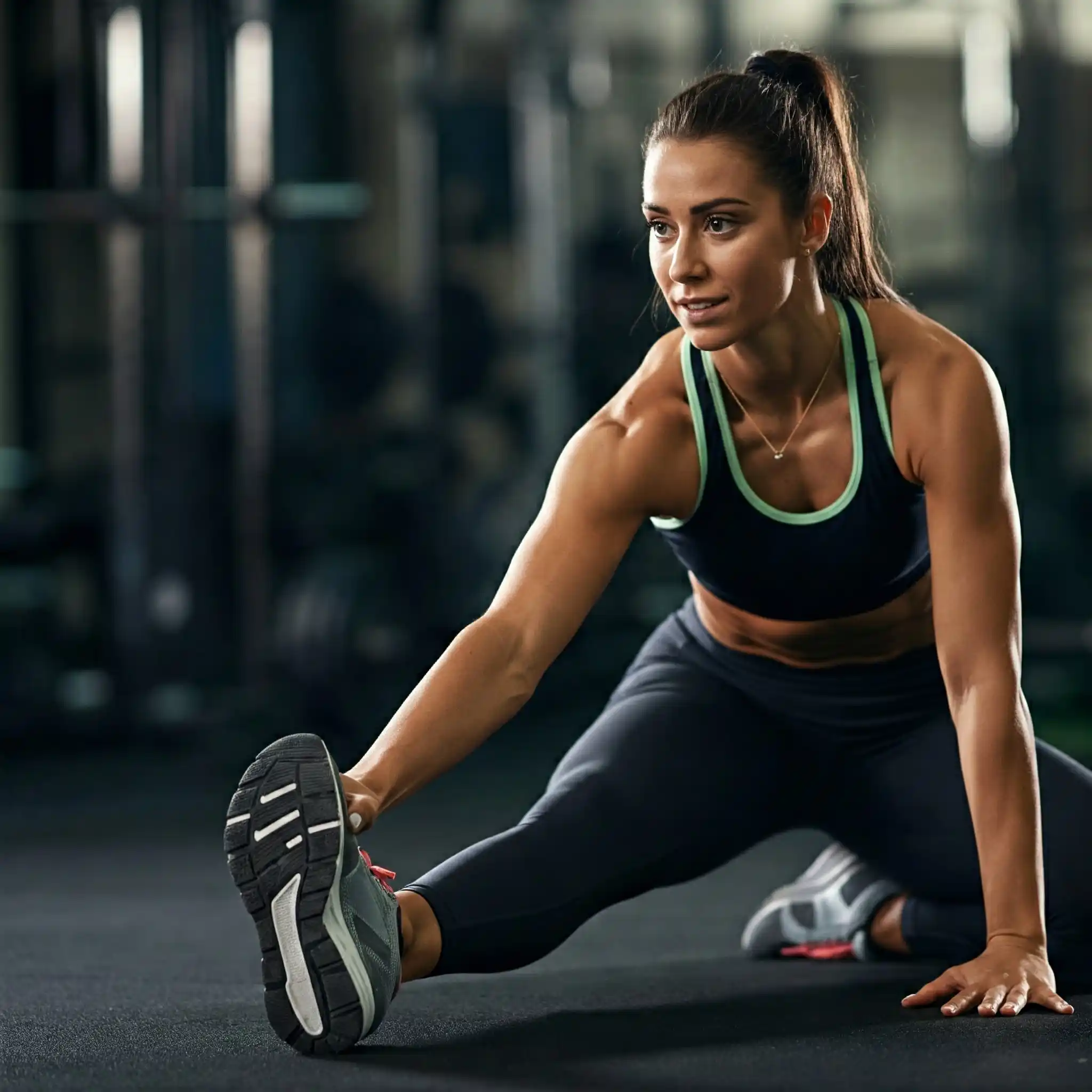
2. Reach towards your toes, keeping your back straight. If you can't reach your toes, that's okay! Just reach as far as you can comfortably.
3. If you need assistance, loop a towel around your feet and hold the ends of the towel.
4. Hold the stretch for 20-30 seconds, breathing deeply.
5. Repeat 2-3 times.
Lower Back Stretch:
1. Lie on your back with your knees bent and your feet flat on the floor.
2. Bring your knees towards your chest, wrapping your arms around them.
3. Gently rock your knees from side to side, massaging your lower back.
4. Continue for 30-60 seconds.
Butterfly Stretch:
1. Sit on the floor with the soles of your feet together.
2. Let your knees fall open towards the floor.
3. Gently press down on your knees with your hands, feeling a stretch in your inner thighs and groin.
4. Hold the stretch for 20-30 seconds, breathing deeply.
5. Repeat 2-3 times.
Additional Tips and Considerations
1. Pay attention to your body's signals and don't push yourself too hard, especially if you're experiencing severe pain or fatigue.
2. If you're new to exercise, start with gentle activities and gradually increase the intensity and duration.
3. Drink plenty of water before, during, and after exercise to prevent dehydration, which can worsen cramps.
4. If high-impact exercise feels uncomfortable, opt for low-impact options like swimming, cycling, or walking.
5. Always warm up before exercise and cool down afterward to prevent muscle soreness and injury.
What Else Can You Do to Manage Menstrual Cramps?
In addition to exercise, other strategies can help manage menstrual cramps:
- Apply Heat: Using a heating pad or taking a warm bath can help relax muscles and reduce pain.
- Over-the-Counter Pain Relief: Medications like ibuprofen or naproxen can help reduce inflammation and pain.
- Dietary Changes: Incorporate best foods to eat during periods in your diet. Eating a healthy diet and avoiding caffeine and alcohol may help reduce cramps.
- Stress Management Techniques: Practices like deep breathing, meditation, or yoga can help manage stress and reduce pain.
When to Consult a Doctor for Abdominal Pain During Periods
While exercise can be helpful, it's important to consult a doctor if you experience:
- Severe or debilitating menstrual cramps that interfere with your daily life
- Cramps that don't improve with exercise or other self-care measures
- Heavy menstrual bleeding
- Other concerning symptoms like fever or unusual discharge
Final Word
Menstrual cramps are a common discomfort, but exercise can be a powerful tool for managing pain and improving overall well-being during menstruation. By increasing blood flow, releasing endorphins, and promoting relaxation, physical activity can provide natural relief and help you stay active throughout your cycle.
Remember to listen to your body, start slowly, and combine exercise with other self-care strategies for optimal results.
FAQs
Can we do exercise during periods?
Yes, you can do gentle exercises during period for pain relief.
What are some of the best periods pain relief exercises?
Walking, gentle yoga stretches, and pilates are all great for easing period pain.
Which exercise is not good during periods?
Any high-intensity exercise like jumping jacks is not good during periods.
Want to read more health-related content? Browse through our Dawaa Dost website.
Plus, if you are looking for affordable medicines and healthcare products but don't know where to buy them, check out our medicines page where we make quality and affordable medicines accessible to all!
Disclaimer: This article is intended for informational purposes only and should not be considered a substitute for professional medical advice. Always consult a qualified healthcare provider for concerns regarding menstrual health or for the diagnosis and treatment of any health condition.




 0
0