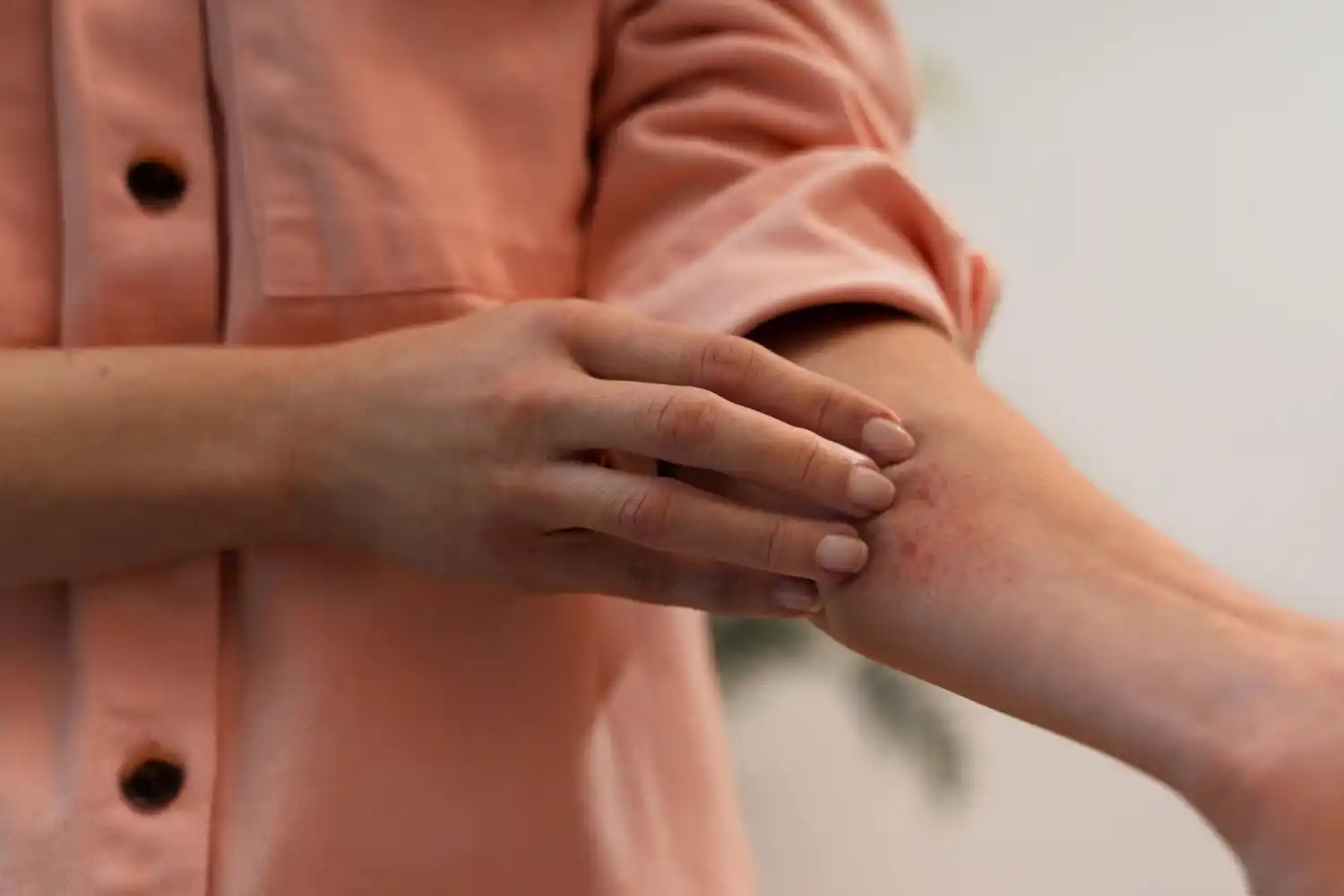
Fungal infections are a common occurrence, and while medications are available, many people turn to home remedies for fungal infection for natural relief and healing. This post explores a comprehensive list of home remedies and provides information on how to cure fungal infection on skin naturally at home.
What are Fungal Infections of the Skin?
Fungal infections, also known as mycoses, happen when fungi invade the skin, hair, or nails. These microscopic organisms, including dermatophytes, yeasts, and moulds, thrive in warm, moist environments.
Common types of fungal skin infections include:
- Athlete's foot (tinea pedis): This infection commonly affects the feet, particularly between the toes, leading to itching, scaling, and redness.
- Ringworm (tinea corporis): Characterized by red, itchy, ring-shaped rashes that can appear on various parts of the body.
- Jock itch (tinea cruris): This infection affects the groin area, causing itching, redness, and a burning sensation.
- Nail fungus (onychomycosis): Nail fungus leads to discoloration, thickening, and brittleness of the nails.
- Yeast infections (candidiasis): Candida yeast infections can affect the skin, mouth, and genitals, causing itching, redness, and white patches.
Symptoms of Fungal Infections
Symptoms vary depending on the infection type and location, but common signs include:
- Itching: Often the first and most noticeable symptom.
- Redness: Inflammation causes the affected area to appear red.
- Scaling or flaking skin: Dead skin cells accumulate, leading to flakiness.
- Blisters or pustules: Small, fluid-filled sacs may appear.
- Skin discoloration: The skin may appear lighter or darker than usual.
- Thickened or brittle nails: Common in nail fungal infections.
Causes of Fungal Infections
Several factors contribute to fungal infections:
- Weakened immune system: A compromised immune system increases susceptibility.
- Warm, moist environments: Fungi thrive in such conditions, making areas like locker rooms and skin folds prone to infection.
- Contact with an infected person or animal: Direct contact can spread the infection.
- Sharing personal items: Sharing items like towels and combs facilitates transmission.
Effective Home Remedies for Fungal Infection
Home remedies for fungal infection offer a natural approach to managing mild cases. Here are 16 effective options:
1. Tea Tree Oil: Known for its potent antifungal properties.
- How to use: Dilute a few drops of tea tree oil in a carrier oil like coconut oil and apply to the affected area several times a day.
2. Apple Cider Vinegar: Possesses antifungal and antibacterial properties.
- How to use: Mix equal parts apple cider vinegar and water. Apply to the affected area with a cotton ball.
3. Coconut Oil: Offers antifungal and moisturizing benefits.
- How to use: Apply virgin coconut oil directly to the affected area several times daily.
4. Garlic: Contains antifungal compounds.
- How to use: Crush a few cloves of garlic and mix with a carrier oil. Apply to the affected area. Can also be consumed for internal benefits.
5. Yogurt: Plain yogurt contains probiotics that help combat fungi.
- How to use: Apply plain yogurt to the affected area and leave for 30 minutes before rinsing.
6. Baking Soda: Helps neutralize skin pH and reduce fungal growth.
- How to use: Make a paste with baking soda and water, apply to the affected area. Can also be added to bathwater for a soothing soak.
7. Hydrogen Peroxide: A common household antiseptic with antifungal activity.
- How to use: Dilute with water and apply to the affected area using a cotton ball.
8. Aloe Vera: Soothes and promotes healing with its antifungal properties.
- How to use: Apply fresh aloe vera gel directly to the affected skin.
9. Turmeric: A natural anti-inflammatory with antifungal benefits.
- How to use: Create a paste with turmeric powder and water, apply to the affected area. Be mindful of staining.
10. Neem Oil: Extracted from the neem tree, it has potent antifungal properties.
- How to use: Apply neem oil directly to the affected area or mix a few drops with a carrier oil.
11. Oregano Oil: Contains carvacrol, a powerful antifungal compound.
- How to use: Dilute oregano oil with a carrier oil like olive oil and apply to the affected area.
12. Grapefruit Seed Extract: A powerful antifungal and antibacterial agent.
- How to use: Dilute grapefruit seed extract with water and apply to the affected area.
13. Honey: Raw honey, particularly Manuka honey, has antifungal and antibacterial properties.
- How to use: Apply raw honey directly to the affected area and cover with a bandage.
14. Ginger: Contains antifungal compounds and can help reduce inflammation.
- How to use: Apply a paste made from ginger root to the affected area. Can also be consumed as tea.
15. Lemon Juice: The acidic nature of lemon juice can inhibit fungal growth.
- How to use: Dilute lemon juice with some water and apply it to the affected area using a cotton ball.
16. Salt Baths: Soaking in a warm bath with Epsom salt or sea salt can help dry out the affected area and reduce fungal growth.
- How to use: Add 1-2 cups of Epsom salt or sea salt to a warm bath and soak for 15-20 minutes.
Tips to Prevent Fungal Infections
- Keep skin clean and dry: Thoroughly dry yourself after showering or swimming, especially in skin folds.
- Wear breathable clothing: Opt for loose-fitting clothes made of cotton or other breathable fabrics.
- Avoid sharing personal items: Don't share towels, combs, or other personal belongings.
- Wear shoes in public areas: Protect your feet in public showers and pool areas.
- Practice good hygiene: Wash hands frequently, especially after touching public surfaces.
Final Word
Home remedies for fungal infection provide a natural way to manage mild cases. However, they may not be suitable for everyone, and seeking medical advice is essential if symptoms persist or worsen. Your doctor may prescribe you medications like an antifungal cream to treat your condition.
FAQs
Q: Are fungal infections contagious?
A: Yes, they can spread through direct contact or sharing personal items.
Q: How long does it take for a fungal infection to heal?
A: Healing time varies based on the severity and location, potentially taking weeks or months.
Q: When should I see a doctor?
A: Consult a doctor if the infection is severe, doesn't improve with home remedies, or if you experience fever or pain.
Looking for affordable medicines and healthcare products but don't know where to buy them? Check out our Dawaa Dost website where we make quality and affordable medicines accessible to all!
Sources
https://www.webmd.com/skin-problems-and-treatments/fungal-infections-skin
https://www.ncbi.nlm.nih.gov/pmc/articles/PMC7122029/
Image Source: Image by freepik




 0
0