What is The Difference Between Prebiotics and Probiotics?
What is The Difference Between Prebiotics and Probiotics?
You might have likely encountered the terms 'prebiotics' and 'probiotics' at some point in time. While they sound similar, they play distinct roles in supporting your gut health. Understanding the difference between prebiotics & probiotics is key to harnessing their full potential for your wellbeing.
Essentially, probiotics are the live beneficial bacteria that reside in your gut, while prebiotics are the non-digestible food ingredients that nourish these bacteria. Think of it this way: probiotics are the 'good guys' fighting for your gut health, and prebiotics are the 'supplies' they need to thrive.
Probiotics: The Gut's Friendly Bacteria
Probiotics are live microorganisms that, when consumed in adequate amounts, offer a plethora of health benefits. These beneficial bacteria primarily reside in your intestines and are essential for maintaining a balanced and thriving gut microbiome.
Benefits of Probiotics
Improved Digestion: Probiotics assist in breaking down food, facilitating nutrient absorption, and promoting regular bowel movements. This can alleviate digestive discomforts like bloating, gas, and constipation.
Boosted Immune Function: A significant portion of your immune system resides in your gut. Probiotics act as reinforcements, helping to strengthen your gut's defences against harmful pathogens and reducing the risk of infections.
Enhanced Nutrient Production: Certain probiotics can produce essential vitamins, such as vitamin K and some B vitamins, right in your gut, contributing to your overall nutritional well-being.
Mental Health Support: Another benefit of probiotics is their role in supporting mental health. Emerging research suggests a strong link between gut health and mental well-being. Probiotics may play a role in managing mood disorders like anxiety and depression by influencing the gut-brain axis.
Common Sources of Probiotics
Fermented Dairy Products: Yogurt with 'live and active cultures' is a classic source of probiotics. Other options include kefir, a fermented milk drink, and some cheeses.
Fermented Vegetables: Sauerkraut and kimchi offer a tangy and probiotic-rich way to enhance your meals.
Other Fermented Foods: Indian foods like dosa and idli, kanji, and pickles also contain probiotics. Plus, tempeh and miso, made from fermented soybeans, are excellent plant-based sources of probiotics.
Probiotic Supplements: Available in various forms, such as probiotic capsules, powders, and liquids, these supplements provide a concentrated dose of specific probiotic strains.
Prebiotics: Fuelling the Good Bacteria
Prebiotics are types of dietary fibre that your body can't digest. They pass through your digestive system intact, reaching your colon, where they serve as food for the beneficial bacteria residing there. By nourishing your existing gut flora, prebiotics promote their growth and activity.
Benefits of Prebiotics
Enhanced probiotic growth: Prebiotics selectively stimulate the growth of beneficial bacteria.
Improved digestion: They contribute to regular bowel movements and prevent constipation.
Stronger immune system: By promoting a healthy gut microbiome, prebiotics indirectly support your immune function.
Increased mineral absorption: Prebiotics may enhance the absorption of minerals like calcium and magnesium.
Common Sources of Prebiotics
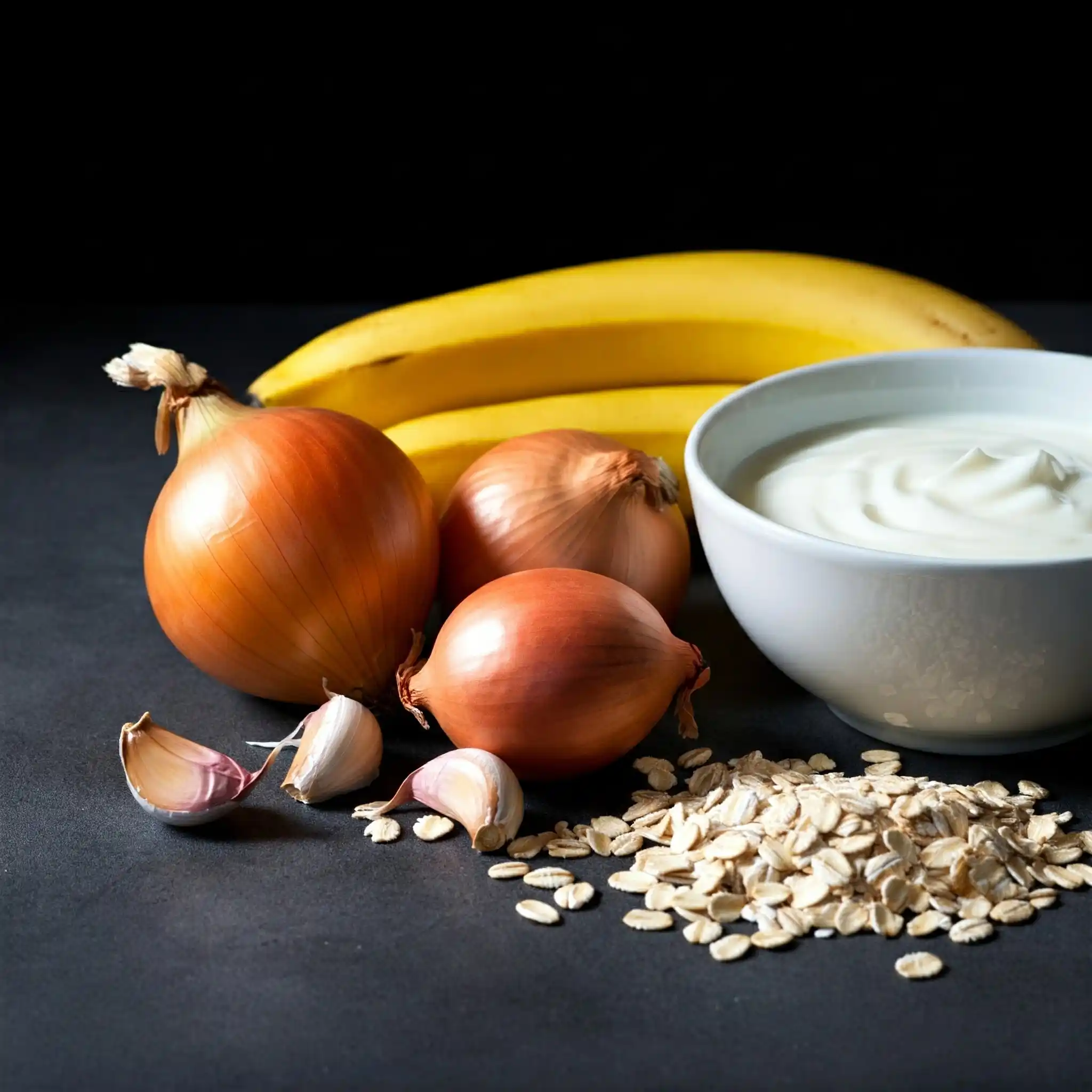
Fruits and vegetables: Bananas, onions, garlic, leeks, asparagus, and apples are good sources.
Whole grains: Oats, barley, and wheat bran contain prebiotics.
Legumes: Lentils, chickpeas, and beans are rich in prebiotic fibre.
Prebiotic supplements: Available in various forms, often combined with probiotics in 'symbiotic' formulas.
The Synergistic Relationship Between Probiotics and Prebiotics
Your gut is like a garden. Probiotics are like the flowers that make it beautiful and healthy. But even the prettiest flowers need good soil and regular watering to thrive, right? That's where prebiotics come in! They're like the fertilizer and water that help your good gut bacteria grow strong.
When you have both prebiotics and probiotics working together, it's like giving your gut the ultimate care package. Your good bacteria multiply and get to work, keeping your digestion smooth, your immune system strong, and even helping you feel happier. It's all about teamwork in your tummy!
The Difference Between Prebiotics & Probiotics: A Quick Summary
To further clarify probiotics vs prebiotics, here’s a summary of their key distinctions:
Feature
Probiotics
Prebiotics
Definition
Live microorganisms that confer health benefits
Non-digestible food ingredients that promote the growth of beneficial bacteria
What They Are
The 'good' bacteria themselves
'Food' for the good bacteria
Functions
Directly support gut health by performing various functions
Indirectly support gut health by nourishing existing gut bacteria
Benefits
Improved digestion, enhanced immunity, mental health support, nutrient production
Indirectly influence gut health by supporting probiotic growth and activity
In Conclusion
Understanding the difference between prebiotics and probiotics is crucial for optimizing gut health. Prebiotics act as 'food' for probiotics, the beneficial bacteria residing in your gut. By incorporating both prebiotics and probiotics into your diet, you cultivate a thriving gut microbiome, which contributes to improved digestion, enhanced immunity, and overall well-being.
Remember, a balanced gut is key to a healthier you. So, nourish your gut with a combination of prebiotics and probiotics for a happier and healthier life.
Looking for affordable medicines and healthcare products but don't know where to buy them? Check out our Dawaa Dost website, where we make quality and affordable medicines accessible to all!
Disclaimer:This blog post is for informational purposes only and should not be considered medical advice. Consult with a healthcare professional before making any significant changes to your diet or supplement regimen, especially if you have underlying health conditions.
Disclaimer: This article is intended for informational purposes only and should not be considered a substitute for professional medical advice. Always consult a qualified healthcare provider for diagnosis and treatment of any health condition.




 0
0