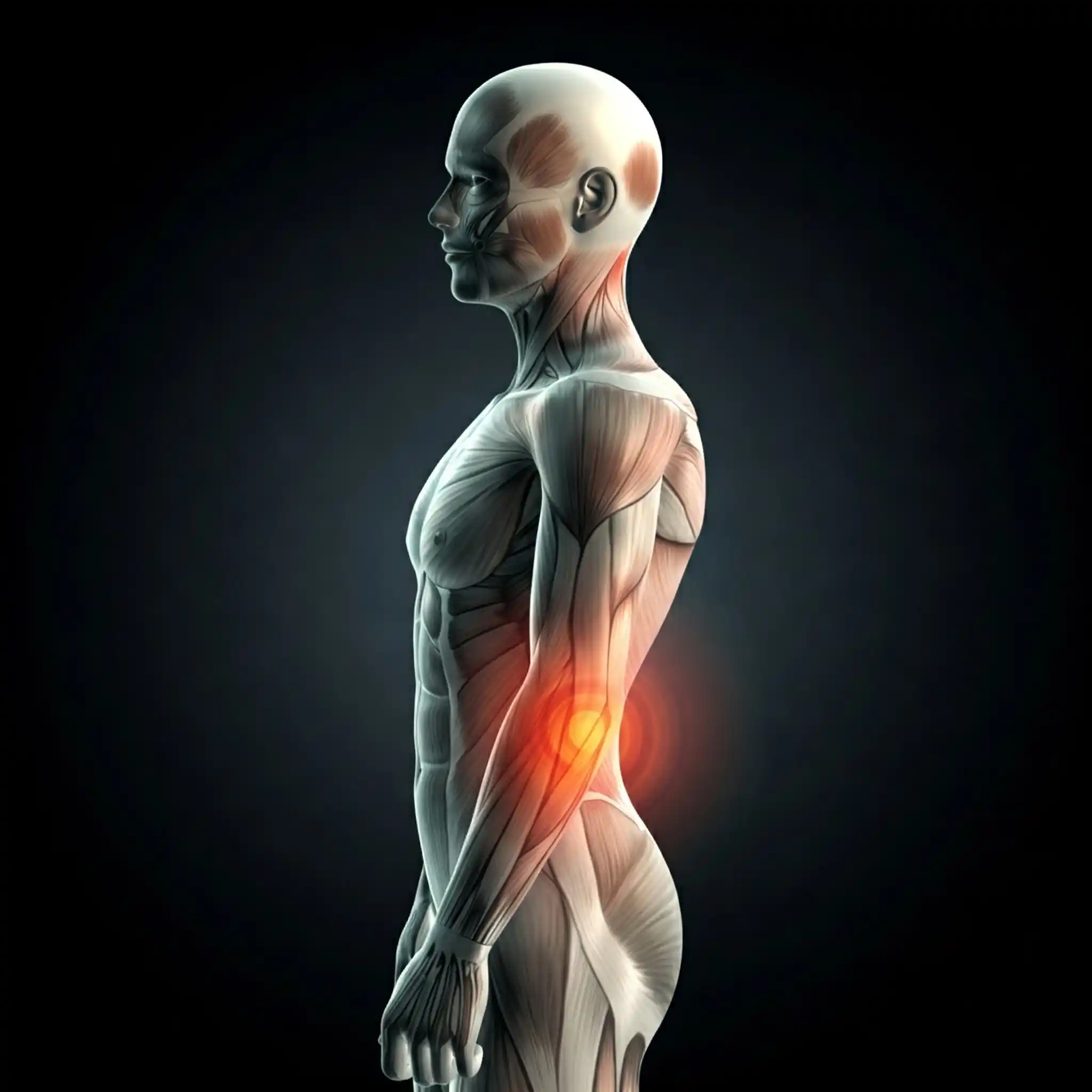
Have you ever felt pain in a part of your body that seems unrelated to the actual source of the pain? This phenomenon is known as referred pain, and it can be quite perplexing. Understanding referred pain is crucial for accurate diagnosis and effective treatment. This guide explores the intricacies of referred pain, covering its definition, causes, symptoms, diagnosis, and treatment options.
What is Referred Pain?
Referred pain is a common experience where pain originating from one part of the body is felt in another, seemingly unrelated area. For instance, a heart attack can cause referred pain in the left arm or jaw, even though the heart itself is located in the chest.
Examples of Referred Pain
Here are some common examples of referred pain:
- Heart attack: Referred pain in the left arm, jaw, neck, or back.
- Gallbladder problems: Referred pain in the right shoulder blade.
- Kidney problems: Referred pain in the lower back or groin.
- Lung and diaphragm issues: Referred pain in the neck or shoulder.
- Appendicitis: Referred pain around the navel early on.
Referred Pain vs. Radiating Pain
It's important to distinguish referred pain from radiating pain:
- Referred Pain: Pain felt in a distant location from the source, often with no direct nerve pathway connection.
- Radiating Pain: Pain that travels along the path of a nerve, typically extending from the source outward. Sciatica is an example of radiating pain, where pain originates in the lower back and radiates down the leg along the sciatic nerve.
The Physiology of Referred Pain
The exact mechanisms behind referred pain are complex and not fully understood. However, one leading theory suggests that it occurs due to the convergence of nerve fibres from different areas of the body onto the same spinal cord segment. This convergence can lead to the brain misinterpreting the source of the pain signals. Essentially, the brain gets 'confused' about where the pain signals are coming from.
Causes of Referred Pain
Referred pain can arise from a variety of sources:
Internal organ damage or disease
This is a common cause. Problems with organs like the heart, gallbladder, kidneys, liver, lungs, and stomach can all lead to referred pain. For example, a heart attack can refer pain to the arm and jaw, while kidney stones might cause pain in the groin.
Muscle injuries
Trigger points, also known as muscle knots, are tight, sensitive areas within a muscle. These can refer pain to other areas. For example, a trigger point in the trapezius muscle (upper back) can cause referred pain in the head and neck.
Nerve compression
A pinched nerve can send pain signals along its path, but it can also cause referred pain in other areas supplied by that same nerve root. For example, a pinched nerve in the neck can refer pain down the arm.
Spinal problems
Conditions like herniated discs or spinal stenosis can compress nerves, leading to referred pain in the limbs or other areas.
How to Identify Referred Pain
Identifying referred pain can be tricky, but here are some clues:
- Pain location: The pain is felt in a different area than where you suspect the problem is.
- Pain type: The pain may be described as aching, dull, or pressure-like.
- No clear cause: There's no obvious injury or cause for the pain in the area where you feel it.
- Associated symptoms: You may have other symptoms related to the underlying cause, such as nausea with gallbladder pain.
How is Referred Pain Diagnosed?
The primary symptom of referred pain is experiencing pain in a location different from the actual source. Diagnosing referred pain can be challenging and often involves:
- Detailed medical history: The doctor will ask about your symptoms, their location, onset, duration, and any other health conditions you may have.
- Physical examination: A thorough physical exam to assess your overall health and identify any potential sources of pain.
- Diagnostic tests: Imaging tests like X-rays, MRI scans, or CT scans may be used to visualize the internal structures and identify any abnormalities. Nerve conduction studies or electromyography (EMG) may be used to assess nerve function.
Referred Pain Treatment
Treating referred pain effectively requires addressing the underlying cause:
Medications
Though one might want to know how to relieve pain without medicines, depending on the cause of pain, various medications can also help. These may include:
- Pain relievers: Over-the-counter options like ibuprofen or acetaminophen tablets, or stronger prescription pain medications.
- Anti-inflammatories: To reduce inflammation contributing to the pain.
- Muscle relaxants: To ease muscle tension and spasms.
- Nerve pain medications: Drugs like gabapentin or pregabalin to help with nerve-related pain.
Physical therapy
A physical therapist can design a program to address your specific needs. This may include:
- Exercises: To improve strength, flexibility, and range of motion.
- Stretches: To release muscle tension and improve circulation.
- Manual therapy: Hands-on techniques to release trigger points or improve joint mobility.
Injections
In some cases, injections can be helpful:
- Corticosteroid injections: To reduce inflammation around nerves or in joints.
- Nerve blocks: To interrupt pain signals and provide relief.
Surgery
If the underlying cause is a structural problem, surgery may be necessary. This could include:
- Repairing a herniated disc: To relieve nerve compression.
- Removing a gallstone: To address gallbladder pain.
- Treating heart disease: Procedures like angioplasty or bypass surgery to restore blood flow to the heart.
When to See a Doctor
It's important to see a doctor if:
- You experience severe or persistent pain.
- The pain is accompanied by other symptoms, such as fever, nausea, or weakness.
- The pain interferes with your daily activities.
- You're unsure about the cause of the pain.
In Conclusion
Referred pain is a fascinating phenomenon that highlights the complex interplay between the body and the brain. Understanding referred pain can help you seek appropriate medical attention and receive effective treatment for the underlying cause. If you experience pain that seems out of place, don't hesitate to consult a healthcare professional for proper diagnosis and management.
Looking for affordable medicines and healthcare products but don't know where to buy them? Check out our Dawaa Dost website where we make quality and affordable medicines accessible to all!




 0
0