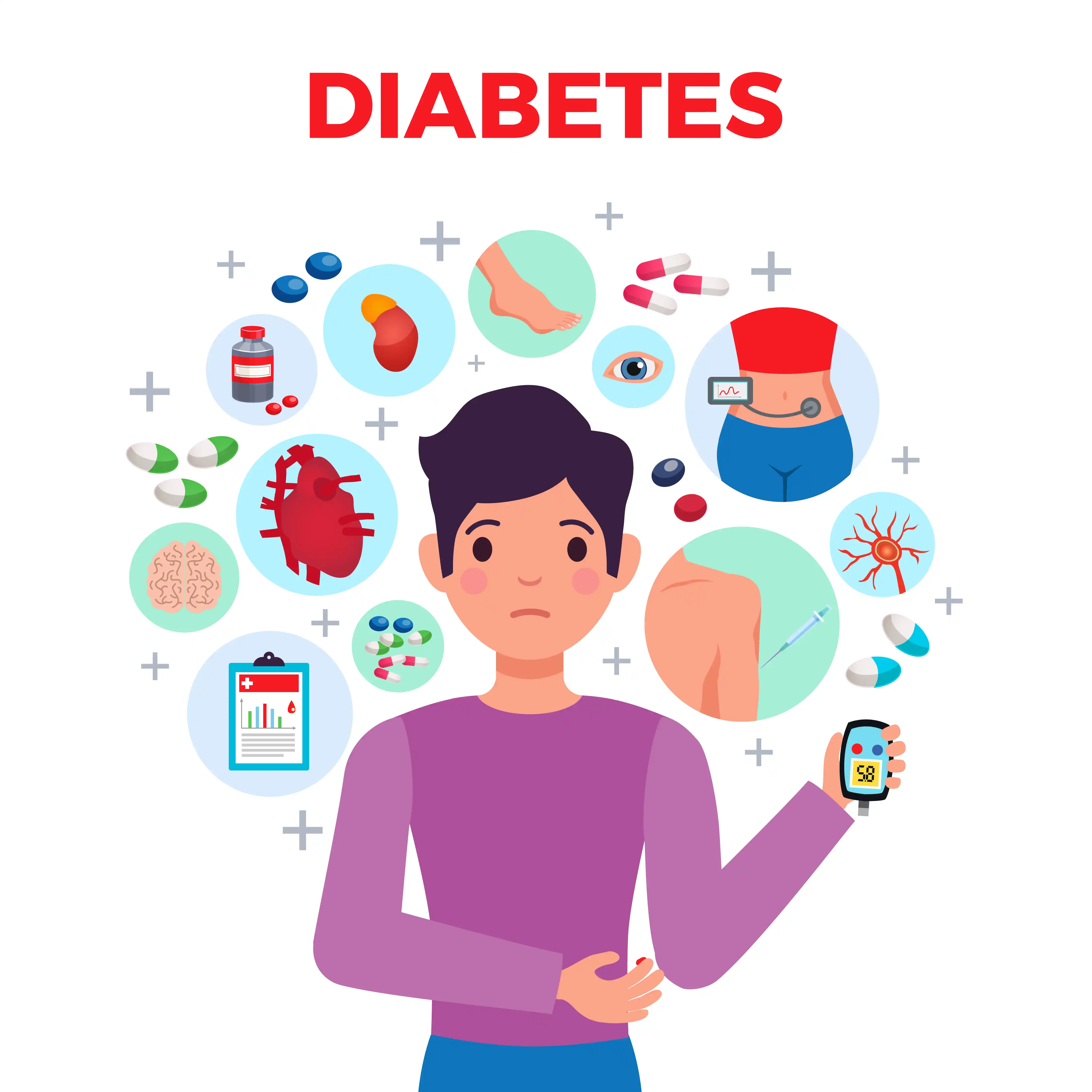
Diabetes is a chronic condition that affects millions of people worldwide. While managing blood sugar levels is crucial for people with diabetes, it's equally important to understand the diabetes risk factors and health risks of diabetes. Uncontrolled diabetes can lead to a variety of complications that affect various organs in the body. In this blog, we’ll dive into the top 10 health risks associated with diabetes and discuss how you can take preventive measures to safeguard your health.
1. Cardiovascular Diseases and Diabetes
One of the most significant health risks of diabetes is its impact on cardiovascular health. People with diabetes are at a higher risk of developing heart diseases, including heart attack, stroke, and peripheral artery disease (PAD). This is due to high blood sugar levels that can damage blood vessels and increase the likelihood of atherosclerosis, a condition where plaque builds up in the arteries, restricting blood flow.
Prevention Tips:
- Control Blood Sugar: Maintaining healthy blood sugar levels can significantly reduce the risk of cardiovascular complications.
- Regular Exercise: Physical activity improves heart health, helping to maintain normal blood pressure and cholesterol levels.
- Healthy Diet: A heart-healthy diet rich in fiber, lean proteins, and healthy fats can keep your cardiovascular system in good shape.
2. Diabetes and Kidney Problems (Diabetic Nephropathy)
Chronic high blood sugar levels can damage the kidneys over time, a condition known as diabetic nephropathy. The kidneys are responsible for filtering waste from the blood, and when they become damaged, toxins accumulate in the body, leading to kidney failure if not managed properly.
Prevention Tips:
- Monitor Kidney Function: Regular kidney function tests can help detect early signs of damage.
- Blood Pressure Control: High blood pressure is a major risk factor for kidney disease, so keeping blood pressure under control is essential.
- Limit Salt Intake: A low-sodium diet can help reduce the strain on the kidneys.
3. Preventing Diabetic Complications
While the long-term complications of diabetes can be severe, many of these issues are preventable with proper management. Keeping your blood sugar levels within a healthy range is key to reducing the risk of complications. Additionally, regular medical checkups and monitoring of other risk factors such as blood pressure and cholesterol levels can help catch potential problems early.
Prevention Tips:
- Consistent Monitoring: Regular blood glucose testing is essential for understanding your body’s response to treatment and lifestyle changes.
- Manage Other Conditions: Conditions like high blood pressure and high cholesterol can exacerbate diabetes complications, so managing them is equally important.
- Medications and Insulin: Proper use of diabetes medications or insulin, as prescribed by your doctor, is vital to prevent complications.
4. Diabetes Neuropathy Symptoms
Diabetic neuropathy is a form of nerve damage that can occur due to prolonged high blood sugar levels. This condition often affects the nerves in the feet and legs, leading to symptoms such as tingling, numbness, pain, and weakness. If left untreated, it can result in serious foot complications, including infections and ulcers.
Prevention Tips:
- Foot Care: Regularly inspect your feet for any sores or blisters, and seek medical attention for any abnormalities.
- Control Blood Glucose: Tight blood sugar control can help prevent or slow the progression of neuropathy.
- Pain Management: If you experience nerve pain, your doctor may recommend specific medications to manage it.
5. Retinopathy in Diabetes
Diabetic retinopathy is an eye condition caused by damage to the blood vessels in the retina due to high blood sugar levels. It is one of the leading causes of blindness in adults. Early stages of retinopathy may have no noticeable symptoms, so regular eye exams are essential for people with diabetes to catch any issues early.
Prevention Tips:
- Regular Eye Exams: Annual eye exams can detect changes in the retina before they cause significant damage.
- Control Blood Sugar and Blood Pressure: Both factors contribute to the progression of diabetic retinopathy, so keeping them under control is vital.
6. Diabetes and Skin Infections
Diabetics are more prone to skin infections, including bacterial and fungal infections. This is due to poor blood circulation and higher blood glucose levels, which can impair the body’s immune response.
Prevention Tips:
- Good Hygiene: Regular bathing and moisturizing to prevent skin dryness can help prevent infections.
- Wound Care: Always clean and dress wounds properly to avoid infections, especially in the feet and legs.
- Monitor for Infections: Be alert for signs of infection such as redness, swelling, and warmth, and seek medical attention if needed.
7. Stroke and Diabetes
People with diabetes are at a higher risk of having a stroke due to the damage high blood sugar does to blood vessels. Stroke occurs when blood flow to a part of the brain is interrupted, leading to brain cell damage.
Prevention Tips:
- Control Blood Sugar and Blood Pressure: Keeping these levels under control can significantly reduce the risk of stroke.
- Healthy Lifestyle: Adopting a healthy lifestyle that includes exercise, a balanced diet, and no smoking can reduce the risk of stroke.
8. Gastrointestinal Problems in Diabetes
Diabetes can lead to digestive issues such as gastroparesis, a condition where the stomach takes too long to empty its contents. This occurs due to nerve damage affecting the muscles of the stomach.
Prevention Tips:
- Manage Blood Sugar: Tight blood sugar control can help reduce the risk of gastrointestinal problems.
- Eat Small, Frequent Meals: This can help manage symptoms of gastroparesis and improve digestion.
- Medications: Your doctor may prescribe medications to improve stomach motility if necessary.
9. Diabetic Foot Problems
People with diabetes often experience foot problems due to nerve damage and poor circulation. These issues can lead to serious complications, including ulcers and amputations if not addressed.
Prevention Tips:
- Daily Foot Inspections: Inspect your feet for sores, cuts, or blisters.
- Proper Footwear: Wearing well-fitting shoes can help avoid friction and reduce the risk of foot injuries.
- Regular Podiatrist Visits: Regular checkups with a podiatrist can help catch foot problems early.
10. Mental Health Issues in Diabetes
Living with diabetes can lead to mental health issues, including depression and anxiety. The stress of managing a chronic condition can take a toll on emotional well-being.
Prevention Tips:
- Seek Support: Support groups, therapy, and family support can help manage the emotional impact of diabetes.
- Mindfulness and Relaxation: Practices like meditation, yoga, and relaxation exercises can reduce stress levels.
- Professional Help: If you’re feeling overwhelmed, consider speaking to a mental health professional.
Conclusion
Diabetes is a serious condition with a wide range of health risks, but with proper management, many of these risks can be mitigated or even prevented. Regular monitoring of blood glucose levels, a healthy lifestyle, and prompt medical intervention are key to reducing the diabetes risk factors and avoiding serious complications.
If you're looking for a reliable tool to monitor your blood glucose levels, consider using the Dr. Morepen Gluco One Strips. These test strips are designed for accurate glucose testing and can help you manage your diabetes effectively.
FAQ
Q: What are the main health risks associated with diabetes?
A: Diabetes increases the risk of cardiovascular diseases, kidney problems, neuropathy, retinopathy, skin infections, and foot issues. Managing blood sugar levels is essential to prevent these complications.
Q: How can I prevent diabetic neuropathy?
A: Tight control of blood glucose levels, regular foot inspections, and managing blood pressure can help prevent or manage diabetic neuropathy.
Q: What can I do to prevent diabetic retinopathy?
A: Regular eye exams, managing blood sugar, and controlling blood pressure are the best ways to prevent or slow the progression of diabetic retinopathy.
Q: How can diabetes affect my mental health?
A: Diabetes can lead to stress, anxiety, and depression. It's important to seek support, practice relaxation techniques, and talk to a healthcare provider if needed.
Q: What is the role of regular blood glucose testing in diabetes management?
A: Regular testing helps you monitor your blood sugar levels, adjust your diet or medication, and prevent complications associated with high or low blood sugar.




 0
0