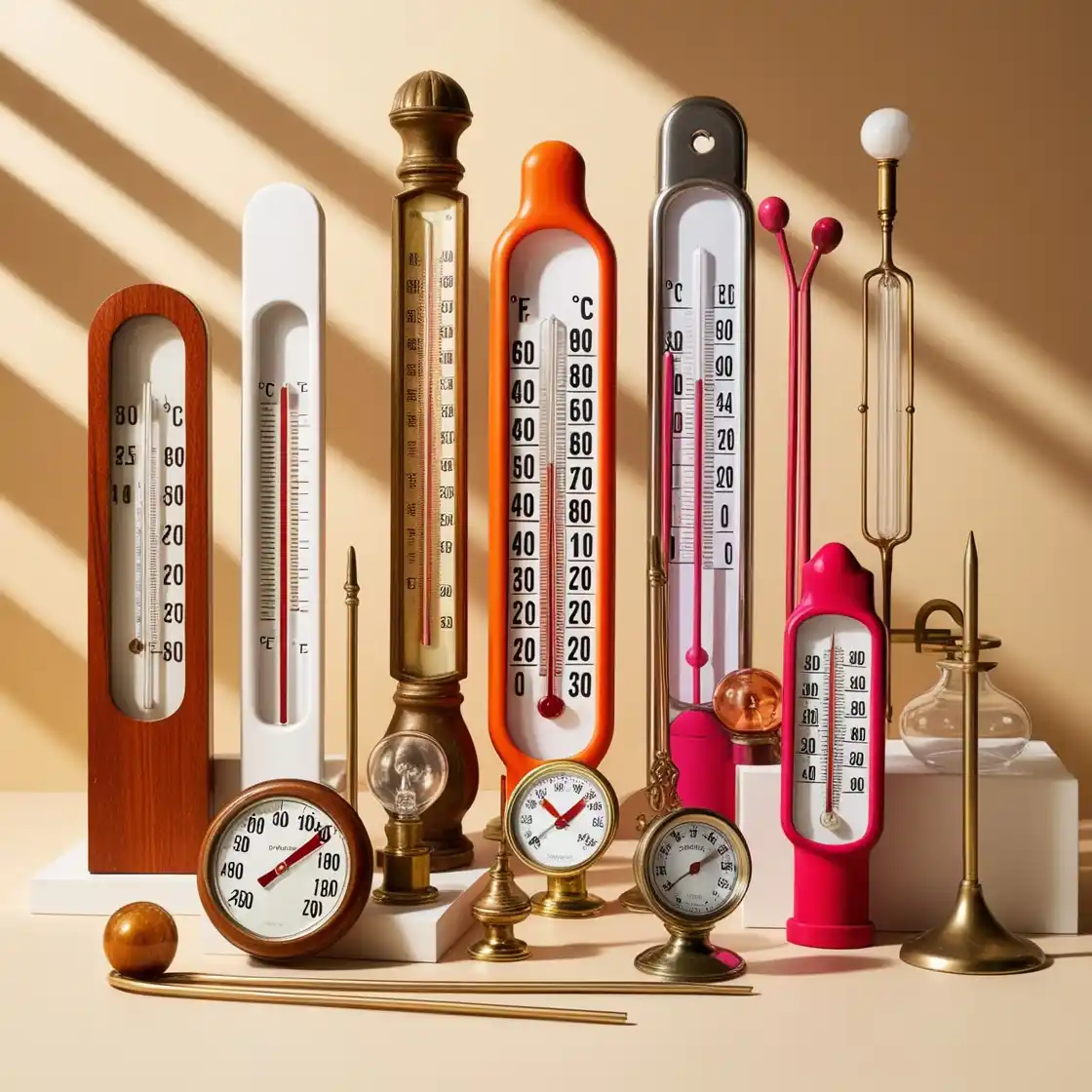
Thermometers are indispensable tools in healthcare and everyday life. Over the years, they have evolved significantly, offering various types and accuracy levels for different scenarios. This guide provides a detailed overview of thermometers, focusing on the accuracy of ear and forehead thermometers and helping you choose the best one for your needs.
Understanding the Different Types of Thermometers
Before diving into accuracy, it’s essential to understand the different types of thermometers available. With advancements in technology, modern thermometers come in a variety of forms, each with its own advantages.
1. Digital Thermometers
Digital thermometers are perhaps the most commonly used type in homes and medical settings. They provide quick, accurate readings and are versatile, suitable for oral, underarm, or rectal use. The advantage of digital thermometers is that they provide precise temperature readings within seconds, making them an excellent choice for both adults and children.
2. Ear (Tympanic) Thermometers
Ear thermometers are popular for their quick results and ease of use. These thermometers measure the temperature inside the ear canal using infrared technology. Their design makes them ideal for babies and small children since they provide non-invasive, rapid readings. However, ear thermometer accuracy can be affected if the thermometer is not positioned correctly, or if earwax obstructs the ear canal.
3. Forehead (Temporal) Thermometers
Forehead thermometers, or temporal artery thermometers, measure the heat emitted from the forehead using infrared technology. They are non-invasive and can be used without contact, making them ideal for newborns and situations where hygiene is a concern. However, forehead thermometer accuracy can sometimes vary due to factors like sweat or environmental temperature.
4. Mercury Thermometers
While mercury thermometers were once the standard, they have largely been replaced by digital versions due to safety concerns. Mercury is toxic, and if the thermometer breaks, it can pose health risks. These thermometers, while highly accurate, are being phased out in most healthcare settings.
5. Pacifier Thermometers
Pacifier thermometers are designed for infants and are built into a pacifier for ease of use. These thermometers are convenient but tend to be less accurate than other types of thermometers.
6. Basal Thermometers
Basal thermometers are highly sensitive thermometers used to track minor changes in body temperature, often for fertility purposes. They are used to measure basal body temperature, which can fluctuate slightly based on ovulation and other factors.
The Accuracy of Ear Thermometers
Ear thermometers, also known as tympanic thermometers, use infrared sensors to measure the temperature from the eardrum. They are widely used for their convenience and speed, especially for babies and young children. However, there are some important considerations to ensure accurate readings.
Factors Affecting Ear Thermometer Accuracy
- Earwax: A build-up of earwax can block the infrared signal, leading to incorrect readings.
- Improper Placement: If the thermometer isn’t positioned correctly in the ear canal, the reading may not be accurate.
- Age of the Patient: Ear thermometers are not recommended for infants under six months, as their ear canals are too small for accurate measurements.
Despite these potential issues, ear thermometer accuracy is generally considered reliable when used correctly. They are often used in hospitals and clinics for fast, precise readings.
How Accurate Are Forehead Thermometers?
Forehead thermometers, also known as temporal artery thermometers, are popular due to their ease of use and non-invasive nature. These thermometers measure the infrared heat emitted from the temporal artery in the forehead, providing quick results without the need for physical contact.
Forehead Thermometer Accuracy: What to Know
- Environmental Factors: The accuracy of forehead thermometers can be affected by external factors, such as ambient room temperature or sweat on the forehead.
- Non-Invasive Use: Forehead thermometers are particularly useful for newborns, as they do not require any discomfort for the baby. However, their accuracy might be slightly lower than ear or digital thermometers, especially in challenging environments.
Although forehead thermometer accuracy may not always match that of digital or ear thermometers, they are a convenient and hygienic option, especially in environments requiring non-contact temperature checks.
What Is the Best Type of Thermometer?
The best type of thermometer depends on your specific needs and the situation in which you’ll be using it. Here’s a breakdown to help you decide:
1. For Infants and Small Children
For babies and toddlers, non-invasive thermometers like ear and forehead thermometers are the best options. Ear thermometers provide fast and accurate readings, but forehead thermometers offer the advantage of not requiring any contact.
2. For Adults
For adults, digital thermometers used orally or under the arm are often the best choice. They provide accurate readings and are easy to use. Ear thermometers can also be a good option for adults, especially if quick readings are needed.
3. For Clinical Use
In hospitals and clinics, a combination of thermometer types is often used. Forehead thermometers are often employed for quick screenings, while ear and digital thermometers are used for more precise measurements.
4. For Home Use
For home use, a digital thermometer is a versatile and reliable choice. It can be used in various ways and provides accurate readings for all age groups.
Ear Thermometer Accuracy vs. Forehead Thermometer Accuracy
Comparing the accuracy of ear thermometers and forehead thermometers depends on several factors, including how they are used and the conditions under which they are used. Both types of thermometers are generally accurate, but each has its pros and cons.
- Ear Thermometers: Known for their accuracy when measuring core body temperature, ear thermometers are ideal for children and adults alike. However, improper positioning or earwax buildup can affect the results.
- Forehead Thermometers: While convenient and non-invasive, forehead thermometers can sometimes provide less accurate readings due to external factors like sweat or room temperature. They are excellent for screening large groups quickly but may not be as accurate as ear thermometers for critical cases.
Tips for Getting Accurate Readings
Regardless of the type of thermometer you choose, following these tips will help ensure accurate readings:
- Read Instructions: Always read the manufacturer’s instructions carefully to ensure proper use of the thermometer.
- Check Battery Life: A low battery can affect the accuracy of digital thermometers.
- Avoid External Interference: Ensure the thermometer is not exposed to extreme environmental conditions, as this can impact its accuracy.
- Clean the Thermometer: For thermometers that come into contact with the skin, keeping the device clean is essential for accuracy and hygiene.
Conclusion: Choosing the Best Thermometer for Your Needs
Understanding the different types of thermometers and their accuracy is key to selecting the right one for your needs. Both ear thermometer accuracy and forehead thermometer accuracy are generally reliable, but each type has specific situations where it shines.
- For fast, accurate readings in children, ear thermometers are a solid choice.
- Forehead thermometers are perfect for non-contact temperature checks, particularly in newborns or in clinical settings.
- Digital thermometers remain the gold standard for accuracy and versatility in home use.
For all your thermometer needs, including a wide range of options, visit Dawaadost, where you can find high-quality products that suit every requirement.




 0
0