A stroke is a medical emergency that occurs when blood flow to the brain is interrupted. This can cause brain cells to die, leading to permanent brain damage, disability, or even death. Recognizing stroke symptoms is crucial for prompt treatment and better outcomes.
Stroke Symptoms You Should Know About
Strokes can manifest in various ways, and symptoms often appear suddenly. Here are some of the most common warning signs:
Sudden numbness or weakness
This is one of the most noticeable signs of a stroke. It typically affects one side of the body, causing weakness or numbness in the face, arm, or leg. You might notice a drooping face, a feeling of heaviness in one arm, or difficulty walking.
Confusion or trouble speaking
A stroke can affect the areas of the brain responsible for language and communication. This can lead to difficulty understanding speech, slurring words, or an inability to speak clearly.
Vision problems
Stroke can impact vision in one or both eyes. You might experience blurred vision, double vision, or even a complete loss of vision.
Dizziness or loss of balance
The areas of the brain controlling balance and coordination can be affected by a stroke. This can lead to sudden dizziness, difficulty walking, a loss of balance, or problems with coordination.
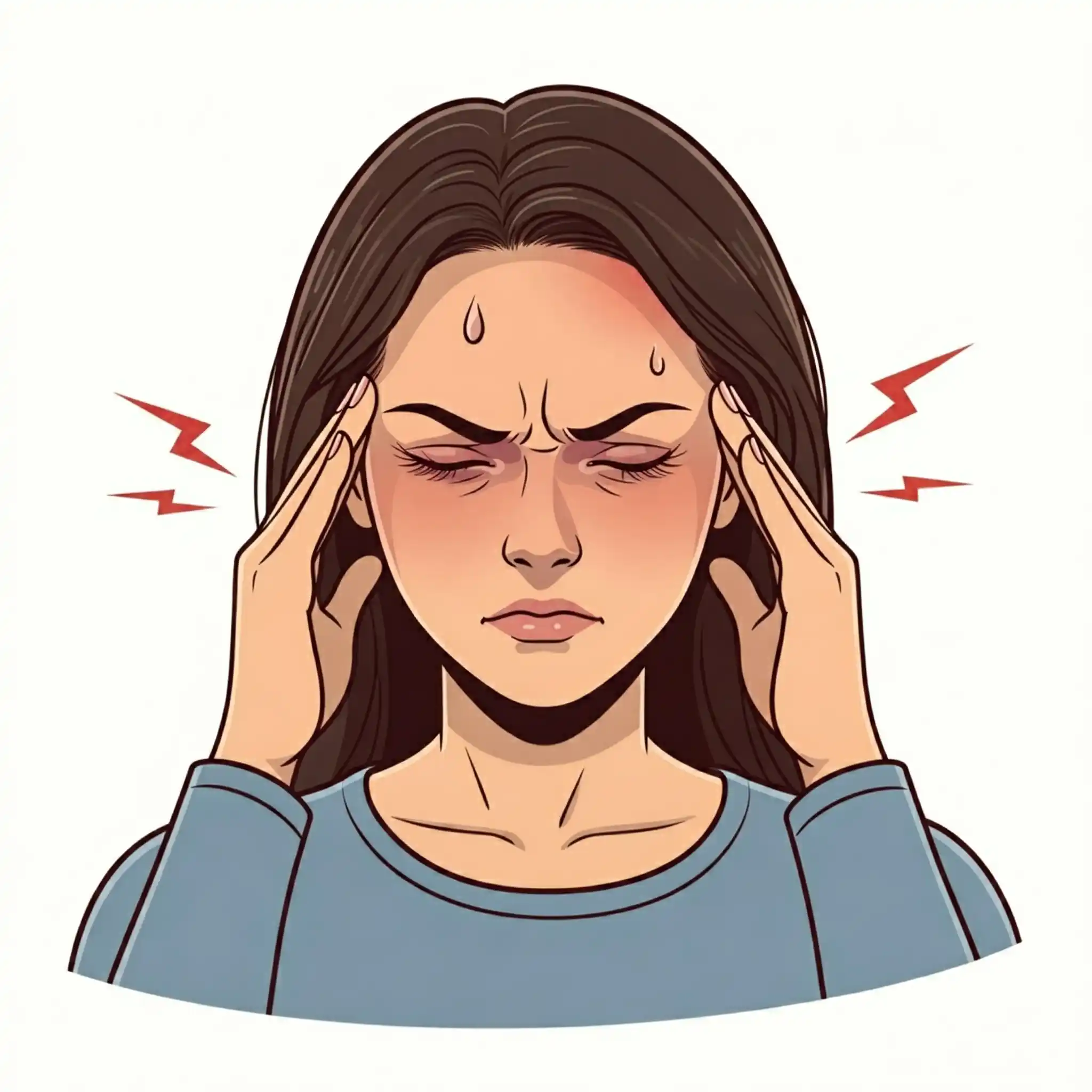
Severe headache
Some strokes can cause a sudden, intense headache, often described as the worst headache of someone's life. This type of headache may be accompanied by vomiting, dizziness, or altered consciousness.
Act FAST: Know When to See a Doctor
The acronym FAST is an easy way to remember the major signs of a stroke and what to do:
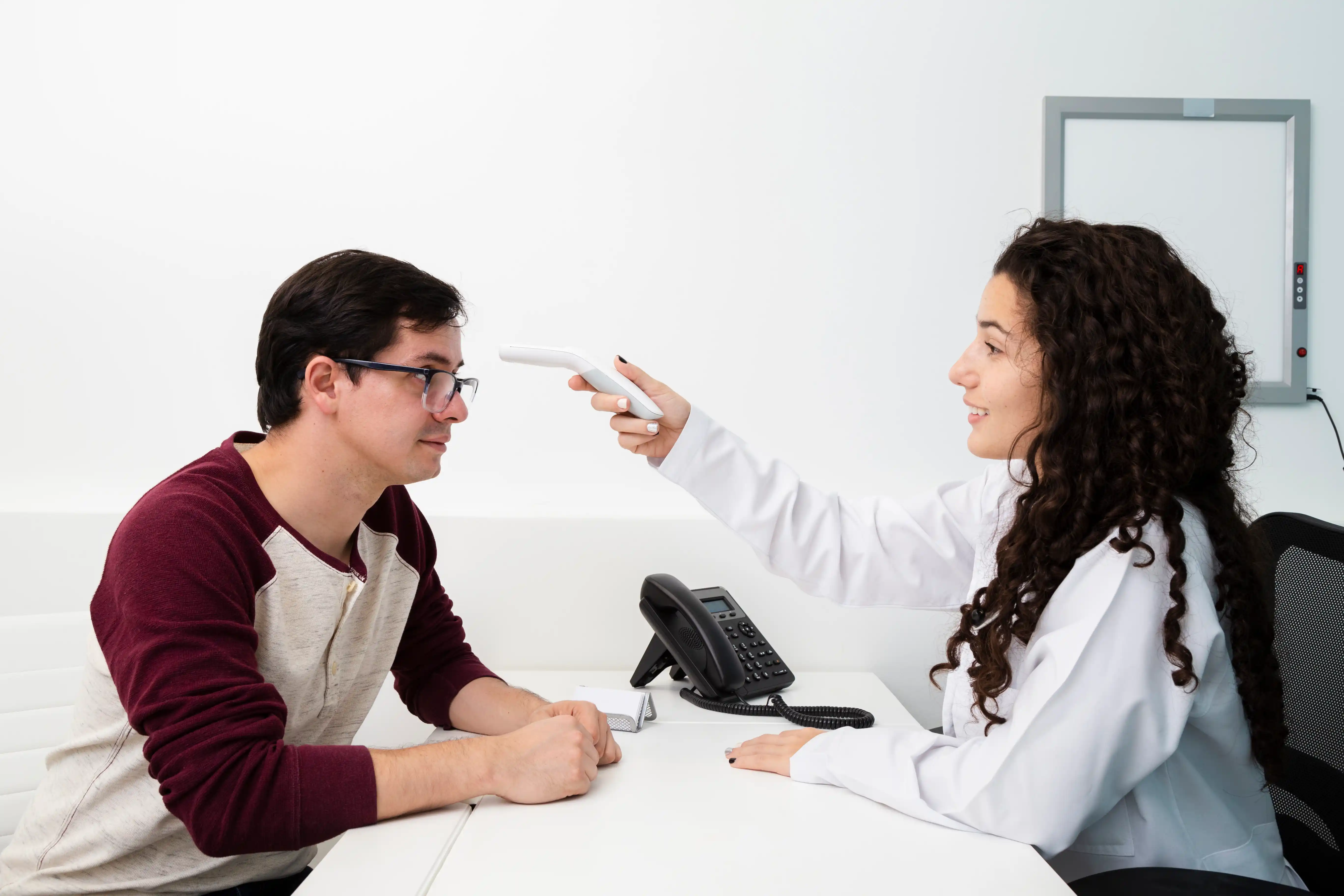
- F - Face: Ask the person to smile. Does one side of the face droop or appear uneven?
- A - Arms: Ask the person to raise both arms. Does one arm drift downward or seem weaker than the other?
- S - Speech: Ask the person to repeat a simple sentence like 'The sky is blue.' Is their speech slurred, jumbled, or difficult to understand?
- T - Time: If you observe any of these signs, call emergency services immediately. Time is of the essence when it comes to stroke treatment. The faster the person receives medical attention, the better their chances of recovery.
Beyond FAST: Other Signs of Stroke
While FAST covers the most common symptoms, it's important to be aware of other potential signs of a stroke, such as:
- Sudden nausea or vomiting
- Brief loss of consciousness or fainting
- Sudden confusion or disorientation
In Conclusion
Every minute counts when it comes to a stroke. Recognizing stroke symptoms and seeking immediate medical attention can significantly improve the chances of survival and reduce the risk of long-term disability. Remember the acronym FAST and don't hesitate to call for help if you suspect someone is having a stroke.
FAQs
Are stroke symptoms always obvious?
No, sometimes stroke symptoms can be subtle and easy to miss, especially in women or older adults.
Can young people have strokes?
Yes, although strokes are more common in older adults, they can occur at any age, even in children and young adults.
Is there a way to prevent strokes?
Yes, living a healthy lifestyle, managing risk factors like high blood pressure, and seeking medical advice for any concerns can significantly reduce your risk.
What should I do if I think I'm having a stroke?
Call your local emergency number immediately. Don't wait to see if symptoms improve.
Can you recover from a stroke?
The extent of recovery varies, but many people make significant progress with rehabilitation and support.
Looking for affordable medicines and healthcare products but don't know where to buy them? Check out our Dawaa Dost website, where we make quality and affordable medicines accessible to all!
Sources:
https://www.stroke.org/en/about-stroke/stroke-symptoms
https://www.mayoclinic.org/diseases-conditions/stroke/symptoms-causes/syc-20350113



 0
0