Rice Bran Oil vs Sunflower Oil: Which is Healthier?
Rice Bran Oil vs Sunflower Oil: Which is Healthier?
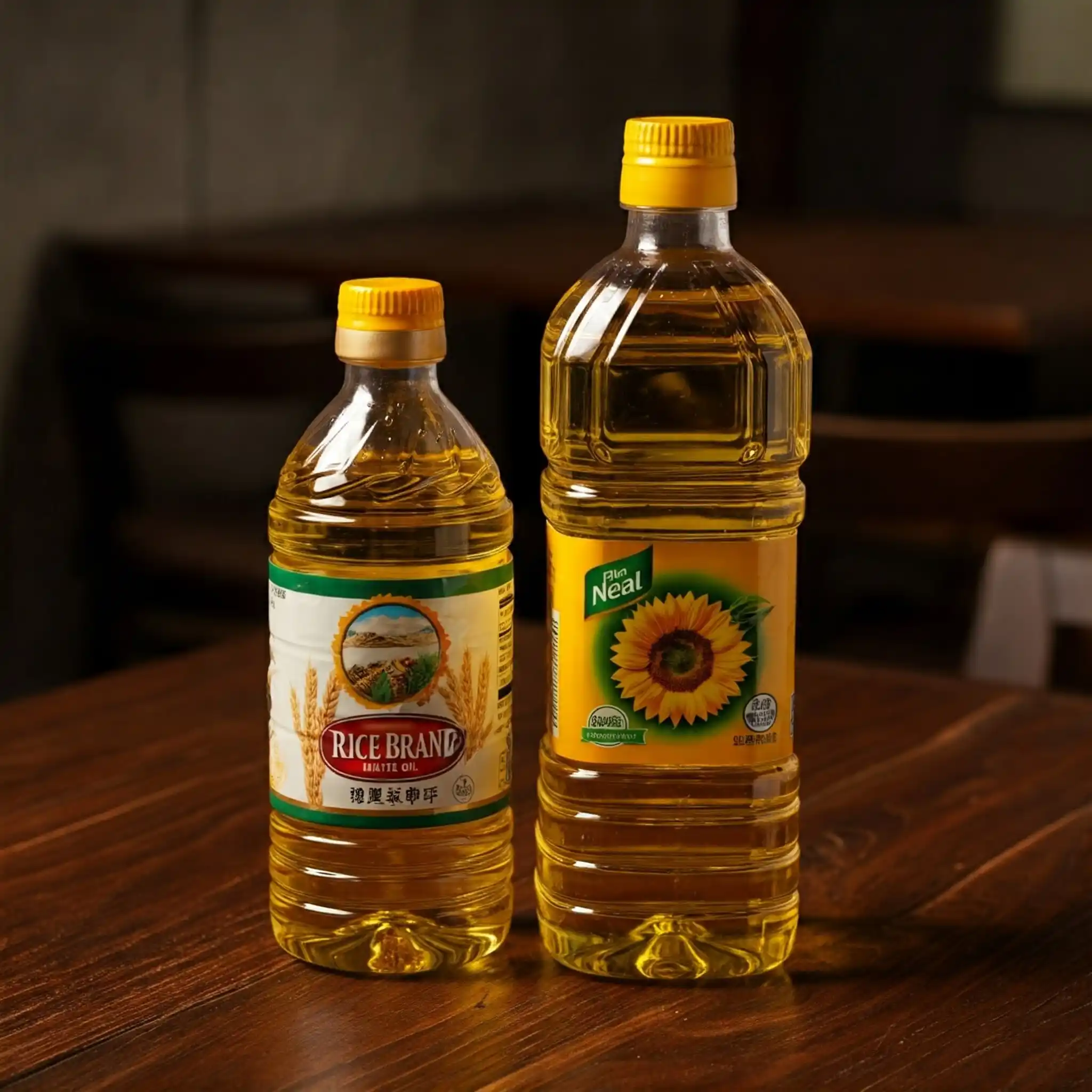
Choosing the right cooking oil can be confusing with so many options available. In this article, we'll delve into the 'rice bran oil vs sunflower oil' debate, exploring their origins, nutritional profiles, and health benefits to help you make an informed decision.
What is Rice Bran Oil?
Rice bran oil is extracted from the outer layer of brown rice (the bran), which is often discarded during the milling process to produce white rice. This bran is full of nutrition, containing valuable nutrients like vitamins, minerals, and antioxidants. Extracting the oil from this bran provides a healthy and versatile cooking oil.
How is Rice Bran Oil Obtained?
Rice bran oil extraction typically involves these steps:
Cleaning: The rice bran is thoroughly cleaned to remove any impurities like dust, husk, or other foreign materials.
Stabilization: The bran is stabilized using heat treatment to deactivate enzymes that can cause spoilage, ensuring the quality and shelf life of the oil.
Extraction: The oil is extracted, often using solvent extraction methods where a food-grade solvent is used to dissolve the oil, or cold pressing methods where the oil is physically pressed out of the bran.
Refining: The extracted oil undergoes a refining process to remove any remaining impurities, improve color and clarity, and neutralize any unwanted flavours or odours. This results in a high-quality, refined rice bran oil suitable for cooking.
What is Sunflower Oil?
Sunflower oil is extracted from sunflower seeds, which are a popular crop known for their vibrant yellow flowers and high oil content. These seeds are packed with healthy fats, making them an excellent source for cooking oil production.
How is Sunflower Oil Obtained?
Sunflower oil extraction is similar to rice bran oil and involves:
Cleaning: Sunflower seeds are cleaned to remove any debris, such as dirt, stalks, or damaged seeds.
Dehulling: The outer shell or husk of the seeds is removed to improve oil extraction efficiency.
Crushing: The dehulled seeds are crushed to break down the cell walls and release the oil.
Extraction: The oil is extracted using methods like cold pressing, which involves mechanically pressing the seeds to extract the oil without heat, or solvent extraction, similar to the process used for rice bran oil.
Refining: The extracted oil is refined to remove impurities, improve color and clarity, and neutralize any unwanted flavours or odours, resulting in a refined sunflower oil suitable for various culinary applications.
Nutritional Value of Rice Bran Oil vs Sunflower Oil (per 100g)
Both oils are good sources of unsaturated fats, but they have some key differences:
Nutrient
Rice Bran Oil
Sunflower Oil
Saturated Fat
19g
12g
Monounsaturated Fat
42g
20g
Polyunsaturated Fat
33g
69g
Vitamin E
40mg
59mg
Oryzanol
Present (1.5-2%)
Absent
Rice Bran Oil vs Sunflower Oil: A Comparison
Smoke point
With respect to rice bran oil vs sunflower oil for cooking, rice bran oil has a higher smoke point (around 254°C or 490°F) compared to sunflower oil (around 227°C or 440°F), making it more suitable for high-heat cooking methods like deep frying and stir-frying, as it can withstand higher temperatures without breaking down and producing harmful compounds.
Flavour
Rice bran oil has a mild, nutty flavour that adds a subtle richness to dishes, while sunflower oil has a more neutral flavour that doesn't interfere with the taste of the food, making it versatile for various cuisines and cooking styles.
Price
Sunflower oil is generally more readily available and more affordable than rice bran oil, making it a budget-friendly option for everyday cooking.
Nutritional profile
Rice bran oil has a more balanced fatty acid profile with a good ratio of monounsaturated and polyunsaturated fats, and it contains oryzanol, a unique antioxidant not found in sunflower oil. However, sunflower oil is higher in vitamin E.
Is Rice Bran Oil Good for Health?
Yes, rice bran oil offers several health benefits. Rice bran oil benefits include:
Heart health
High in monounsaturated and polyunsaturated fats, particularly oleic acid and linoleic acid, which can help lower bad cholesterol (LDL cholesterol) and increase good cholesterol (HDL cholesterol), reducing the risk of heart disease.
Antioxidant properties
Contains vitamin E, a powerful antioxidant that protects cells from damage caused by free radicals, and oryzanol, a unique antioxidant found in rice bran oil that has been linked to various health benefits, including cholesterol-lowering effects and anti-inflammatory properties.
May improve blood sugar control
Some studies suggest that the high content of monounsaturated fats and the presence of oryzanol in rice bran oil may improve insulin sensitivity and help regulate blood sugar levels, which can be beneficial for people with diabetes or those at risk of developing diabetes.
May support brain health
Rice bran oil contains tocotrienols, a form of vitamin E, which have been linked to neuroprotective effects and may help reduce the risk of cognitive decline and neurodegenerative diseases.
Good for skin
Talking about rice bran oil vs sunflower oil for skin, the high vitamin E content and other antioxidants in rice bran oil promote healthy skin by protecting against damage from UV radiation and pollution, and may help improve skin elasticity and reduce the appearance of wrinkles.
Is Sunflower Oil Good for Health?
Yes, sunflower oil also has health benefits. Some sunflower oil benefits that are worth mentioning are:
Heart health
Rich in unsaturated fats, predominantly linoleic acid (an omega-6 fatty acid), which can help lower LDL cholesterol and reduce the risk of heart disease.
Vitamin E
A good source of vitamin E, a potent antioxidant that protects cells from oxidative stress and damage, which can help reduce the risk of chronic diseases like cancer and heart disease.
May improve skin health
The high linoleic acid content in sunflower oil may help improve skin barrier function and reduce inflammation, which can be beneficial for people with skin conditions like eczema or dry skin.
May support immune function
Vitamin E plays a role in supporting a healthy immune system, and sunflower oil's high vitamin E content may contribute to improved immune function.
Rice Bran Oil vs Sunflower Oil: Which Is Better?
In the 'rice bran oil vs sunflower oil' debate, both are healthy choices with their own sets of benefits. However, rice bran oil may have a slight edge due to its higher smoke point, balanced fatty acid profile, and the presence of oryzanol, making it a versatile and healthy option for various cooking needs.
Ultimately, the best choice depends on your individual health goals, dietary preferences, and cooking style. Consider factors like the types of dishes you prepare, your budget, and your desired flavour profile when choosing between these two healthy cooking oils.
FAQs
What is rice bran oil vs sunflower oil cholesterol content?
Both oils do not have any cholesterol content and are completely cholesterol-free.
Can I use rice bran oil for deep frying?
Yes, rice bran oil is a good choice for deep frying due to its high smoke point. It can withstand high temperatures without breaking down and producing harmful compounds.
Is sunflower oil good for salads?
Yes, sunflower oil is a healthy and versatile oil that can be used for salads. It has a neutral flavour that won't overpower the taste of your salad ingredients.
For more health-related content, visit our Dawaa Dost website. You will also get access to quality medicines and healthcare products, all at affordable prices. Check it now!
Disclaimer: This article is intended for informational purposes only and should not be considered a substitute for professional medical advice. Always consult a qualified healthcare provider for diagnosis and treatment of any health condition.




 0
0