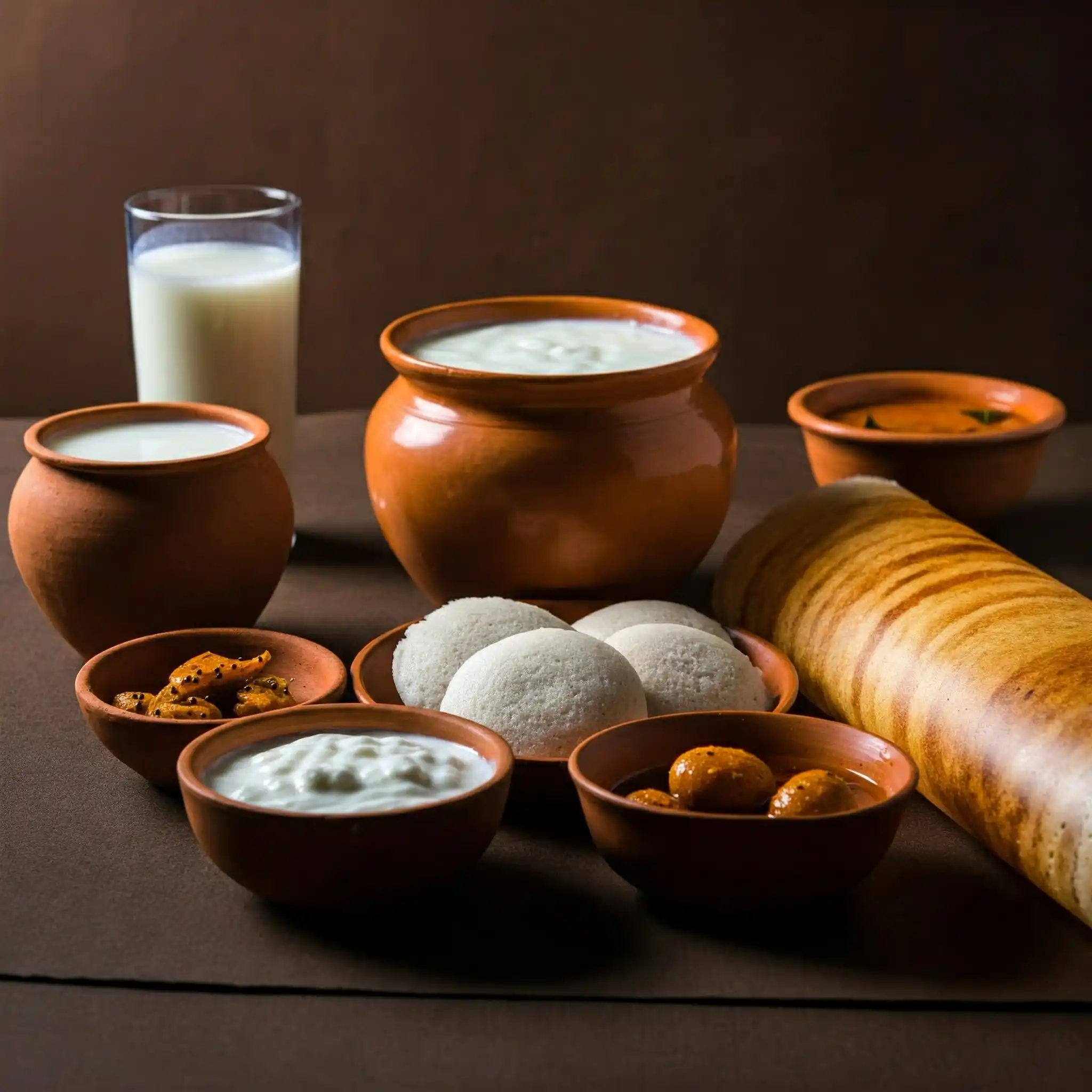
In today's world of processed foods and fast-paced lifestyles, maintaining a healthy gut has become more crucial than ever. A balanced gut microbiome, teeming with beneficial bacteria, is essential for optimal digestion, nutrient absorption, and overall well-being. While probiotic supplements are readily available, incorporating probiotic foods into your diet is a natural and delicious way to nourish your gut. This blog post will explore a variety of probiotic foods that can help you achieve a happier and healthier gut.
How Do Probiotic Foods Ensure a Healthy Gut?
Probiotic foods are essentially fermented foods that contain live microorganisms, primarily bacteria and yeasts. These beneficial microbes, when consumed in adequate amounts, offer numerous advantages for your gut health:
- Improved Digestion: Probiotics aid in breaking down food, enhancing nutrient absorption, and reducing symptoms like bloating, gas, and constipation.
- Enhanced Immunity: A significant portion of your immune system resides in your gut. Probiotics help strengthen the gut barrier, preventing harmful pathogens from entering the bloodstream and causing illness.
- Reduced Inflammation: Probiotics can help reduce inflammation in the gut, which is associated with various health issues, including irritable bowel syndrome (IBS) and inflammatory bowel disease (IBD).
- Increased Vitamin and Nutrient Production: Certain probiotics can produce essential vitamins like vitamin K and B vitamins, contributing to overall health.
- Improved Mental Health: Emerging research suggests a strong connection between the gut and the brain. Probiotics may play a role in improving mood, reducing anxiety, and even alleviating symptoms of depression.
Probiotic Foods Easily Available in India
Yogurt (Dahi)
A staple in Indian cuisine, yogurt is a fantastic source of probiotics. Made by fermenting milk with live cultures, yogurt is rich in beneficial bacteria like Lactobacillus and Bifidobacterium, which aid in digestion and boost immunity. Enjoy it plain or incorporate it into smoothies, lassi, or raita for a refreshing treat.
Buttermilk (Chaas)
This popular Indian drink is a byproduct of butter making and is packed with probiotics. It's a lighter alternative to yogurt and is particularly beneficial during the summer months due to its cooling properties. Buttermilk aids in digestion, improves gut health, and helps maintain electrolyte balance.
Idli and Dosa
These South Indian staples are fermented foods made from a batter of rice and lentils. The fermentation process increases the bioavailability of nutrients and introduces beneficial bacteria, making idli and dosa excellent choices for gut health.
Dhokla
This steamed savory cake from Gujarat is another fermented food that promotes gut health. Made from a batter of fermented rice and chickpeas, dhokla is light, nutritious, and easy to digest. It's a good source of probiotics and provides energy without feeling heavy.
Pickles (Achaar)
While not all pickles are probiotic, traditionally prepared Indian pickles often undergo a fermentation process that introduces beneficial bacteria. Look for pickles made with natural ingredients and avoid those with excessive oil or vinegar. Fermented mango pickle, lime pickle, and mixed vegetable pickles are popular options.
Kanji
The next on our probiotic foods list is Kanji. This fermented drink is made from carrots, beetroot, and mustard seeds and is especially popular in North India during the winter. The fermentation process gives it a tangy flavor and provides beneficial bacteria for gut health.
Gundruk
This fermented leafy green vegetable dish is common in the Himalayan regions of India and Nepal. Made from mustard greens, radish leaves, or cauliflower leaves, Gundruk is a good source of probiotics and offers a unique flavour to meals.
Other Popular Probiotic Foods
Sauerkraut
This fermented cabbage dish is a popular condiment in German cuisine and a powerhouse of probiotics. The fermentation process creates an acidic environment that promotes the growth of beneficial bacteria, particularly Lactobacillus species. Sauerkraut is known to improve digestion, boost immunity, and support gut health.
Kimchi
A staple in Korean cuisine, kimchi is a spicy fermented cabbage dish that's loaded with probiotics. It's made with a variety of seasonings, including garlic, ginger, red pepper flakes, and jeotgal (fermented seafood). Kimchi is a rich source of Lactobacillus bacteria and offers numerous health benefits, including improved digestion and enhanced immunity.
Kefir
This fermented milk drink is similar to yogurt but has a thinner consistency and a slightly tangy flavor. It's made by fermenting milk with kefir grains, which contain a diverse community of bacteria and yeasts. Kefir is a potent source of probiotics and is known to support gut health, boost immunity, and improve lactose digestion.
Kombucha
This fermented tea drink has gained popularity in recent years due to its numerous health benefits. It's made by fermenting sweetened tea with a SCOBY (symbiotic culture of bacteria and yeast), which results in a slightly fizzy and tangy beverage. Kombucha is a good source of probiotics and antioxidants and is believed to improve digestion, boost immunity, and detoxify the body.
Tempeh
This fermented soybean product is a popular source of protein in vegetarian and vegan diets. It's made by fermenting soybeans with a Rhizopus mould, which binds the soybeans together into a dense cake. Tempeh is a good source of probiotics, protein, and fibre, and is known to improve digestion, reduce cholesterol levels, and promote bone health.
Miso
This traditional Japanese seasoning is a fermented paste made from soybeans, salt, and koji (a type of fungus). It's commonly used in soups, sauces, and marinades. Miso is a good source of probiotics and is known to aid in digestion, boost immunity, and provide essential minerals.
Natto
Another fermented soybean product from Japan, natto has a strong flavor and sticky texture. It's made by fermenting soybeans with Bacillus subtilis bacteria. Natto is a rich source of probiotics, vitamin K2, and nattokinase (an enzyme that may help prevent blood clots).
Using Probiotic Supplements in Addition to Probiotic Foods
Probiotic supplements like Enterogermina probiotic capsules offer a concentrated dose of beneficial bacteria. Probiotics are also available in tablet, liquid, or powder form. They can be helpful for restoring gut flora after antibiotic use, managing digestive disorders like IBS, and boosting immunity.
Choose a high-quality supplement with scientifically proven strains and consult a healthcare professional for personalized advice.
In Conclusion
Incorporating a variety of probiotic foods into your diet is a delicious and effective way to support your gut health and overall well-being. From Indian staples like yogurt and idli to international favorites like kimchi and kombucha, there's a world of flavors to explore.
Now that you know what foods contain probiotics, remember to consume them regularly for optimal results and consult with a healthcare professional if you have any concerns or underlying health conditions.
Looking for affordable supplements, medicines, and healthcare products but don't know where to buy them? Check out our Dawaa Dost website, where we make quality and affordable medicines accessible to all!
Disclaimer: The information provided in this blog post is for informational purposes only and should not be considered medical advice. Please consult with a healthcare professional before making any dietary changes or if you have any concerns about your health.




 0
0