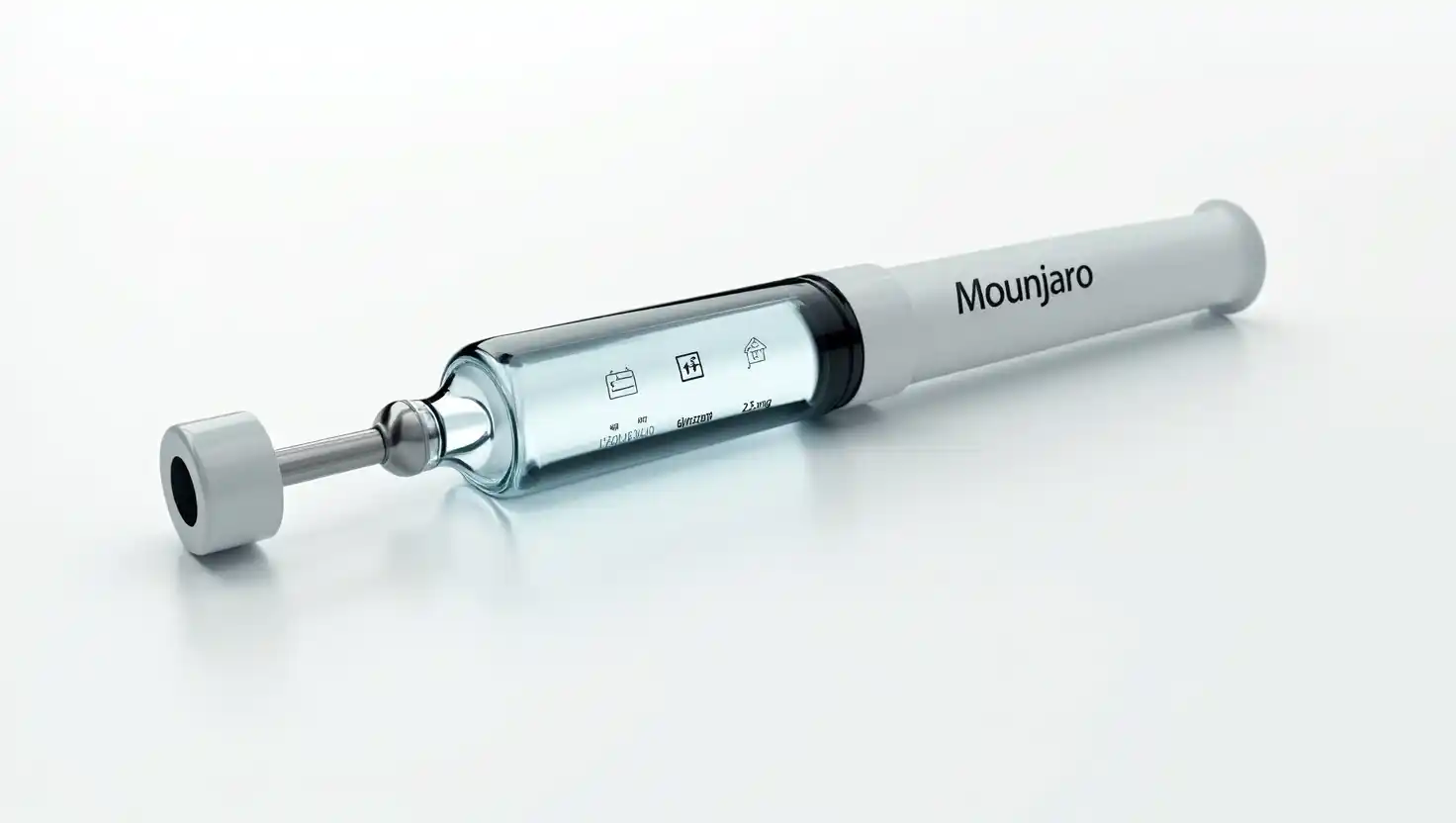
In recent years, the search for effective and sustainable weight loss treatments has intensified, especially for individuals struggling with obesity and related metabolic conditions. One medication that has emerged at the forefront of this conversation is Mounjaro (tirzepatide). Originally approved for managing type 2 diabetes, Mounjaro has shown remarkable results in clinical trials and real-world usage for supporting weight loss.
This blog will explore just how much weight one can lose on Mounjaro, supported by current evidence, clinical insights, and real patient experiences. We will also explore how it works, how quickly results can appear, and factors that influence its effectiveness. If you are considering Mounjaro for weight loss, this in-depth guide provides everything you need to know.
Mounjaro is the brand name for tirzepatide, a once-weekly injectable medication developed by Eli Lilly. It belongs to a class of medications known as dual incretin receptor agonists. What sets Mounjaro apart from other weight loss drugs is its unique mechanism of action: it activates two hormone receptors, GLP-1 (glucagon-like peptide-1) and GIP (glucose-dependent insulinotropic polypeptide).
These hormones play a crucial role in:
Together, these effects contribute to significant reductions in body weight and improved metabolic function.
Mounjaro assists with weight loss through several synergistic mechanisms:
Because Mounjaro targets multiple pathways simultaneously, it often leads to more pronounced weight loss compared to medications that activate only GLP-1 receptors, such as semaglutide (Ozempic, Wegovy).
In multiple clinical trials, most notably the SURMOUNT-1 and SURPASS studies, participants taking Mounjaro for weight management experienced substantial weight reductions.
This pivotal study included over 2,500 adults without diabetes but with obesity or overweight status (BMI ≥27) and at least one weight-related health condition. Participants were randomly assigned to receive either 5mg, 10mg, or 15mg of tirzepatide weekly or a placebo.
Key Findings:
In practical terms, this equates to a loss of 35–52 pounds (16–24 kg) on average for individuals weighing 230 pounds (104 kg) at baseline.
Even among individuals with type 2 diabetes, who typically lose less weight due to insulin resistance, the results were impressive:
These results place Mounjaro at the top tier of anti-obesity medications currently available.
Weight loss with Mounjaro does not occur overnight, but early progress is often visible within the first month of treatment.
Most people begin Mounjaro on a low starting dose (2.5mg) to reduce the risk of gastrointestinal side effects. The dosage is gradually increased every four weeks until a target maintenance dose (typically 10–15mg) is reached.
The degree of weight loss experienced can vary significantly between individuals. Key influencing factors include:
| Medication | Average Weight Loss (%) | Mechanism | FDA Approved for Obesity? |
| Mounjaro (tirzepatide) | Up to 22.5% | GLP-1 + GIP receptor agonist | Not yet (as of early 2025) |
| Wegovy (semaglutide) | Up to 15% | GLP-1 receptor agonist | Yes |
| Saxenda (liraglutide) | Up to 8% | GLP-1 receptor agonist | Yes |
| Contrave | 5–10% | Bupropion + naltrexone | Yes |
| Orlistat | 5–7% | Lipase inhibitor | Yes |
Mounjaro outperforms most other medications in terms of weight loss outcomes. While it is currently approved only for type 2 diabetes, FDA approval for obesity treatment is anticipated soon based on clinical trial success.
Long-term data indicate that weight loss on Mounjaro can be sustained with continued treatment. However, stopping the medication often leads to gradual weight regain unless accompanied by strong lifestyle changes.
To maintain weight loss:
Most side effects are gastrointestinal and occur during the dose escalation period. Common side effects include:
Serious side effects are rare but may include:
Mounjaro is contraindicated in individuals with a personal or family history of medullary thyroid carcinoma.
The answer is: quite a lot. In both clinical studies and real-world cases, Mounjaro has demonstrated the ability to help patients lose 15% to 22.5% of their total body weight, translating to 30, 40, even 50+ pounds depending on the individual.
It is not a miracle cure, and its effectiveness relies heavily on patient commitment to long-term health habits. However, for individuals struggling with obesity or metabolic conditions, Mounjaro offers a groundbreaking and highly effective weight loss tool.
As always, speak with a healthcare provider before beginning any new treatment, especially one involving off-label use for weight loss.
1. How much weight can you lose on Mounjaro?
In clinical studies, participants lost up to 22.5% of their body weight with Mounjaro, translating to 30–50+ pounds, depending on the individual’s starting weight and dosage.
2. How quickly does Mounjaro start working for weight loss?
Most individuals begin to see modest weight loss within the first 4 weeks, with more noticeable changes appearing after 3 to 4 months of consistent use.
3. Is Mounjaro approved for weight loss?
Currently, Mounjaro is approved for managing type 2 diabetes, but its FDA approval for obesity treatment is anticipated based on its promising results in clinical trials.
4. What are the side effects of Mounjaro?
Common side effects include nausea, vomiting, diarrhea, and constipation. Serious side effects, though rare, can include pancreatitis and gallbladder issues.
5. How does Mounjaro help with weight loss?
Mounjaro promotes weight loss by suppressing appetite, slowing gastric emptying, improving glucose control, and enhancing insulin sensitivity, which all contribute to reduced body weight.
Disclaimer: This article is intended for informational purposes only and should not be considered a substitute for professional medical advice. Always consult a qualified healthcare provider for diagnosis and treatment of any health condition.
Our Services
Knowledge Base
Fetured Categories
© 2026 DawaaDost. All rights reserved. In compliance with Drugs and Cosmetics Act, 1940 and Drugs and Cosmetics Rules, 1945, we don't process requests for Schedule X and other habit forming drugs.