Discovering you're pregnant is a momentous occasion, filled with a mix of joy, anticipation, and perhaps a little bit of anxiety. An early pregnancy scan provides a wonderful opportunity to confirm your pregnancy, see your tiny baby for the first time, and gain valuable information about their development.
In this comprehensive guide, we'll explore the different types of early pregnancy scans, why they're performed, and what you can expect during this special milestone.
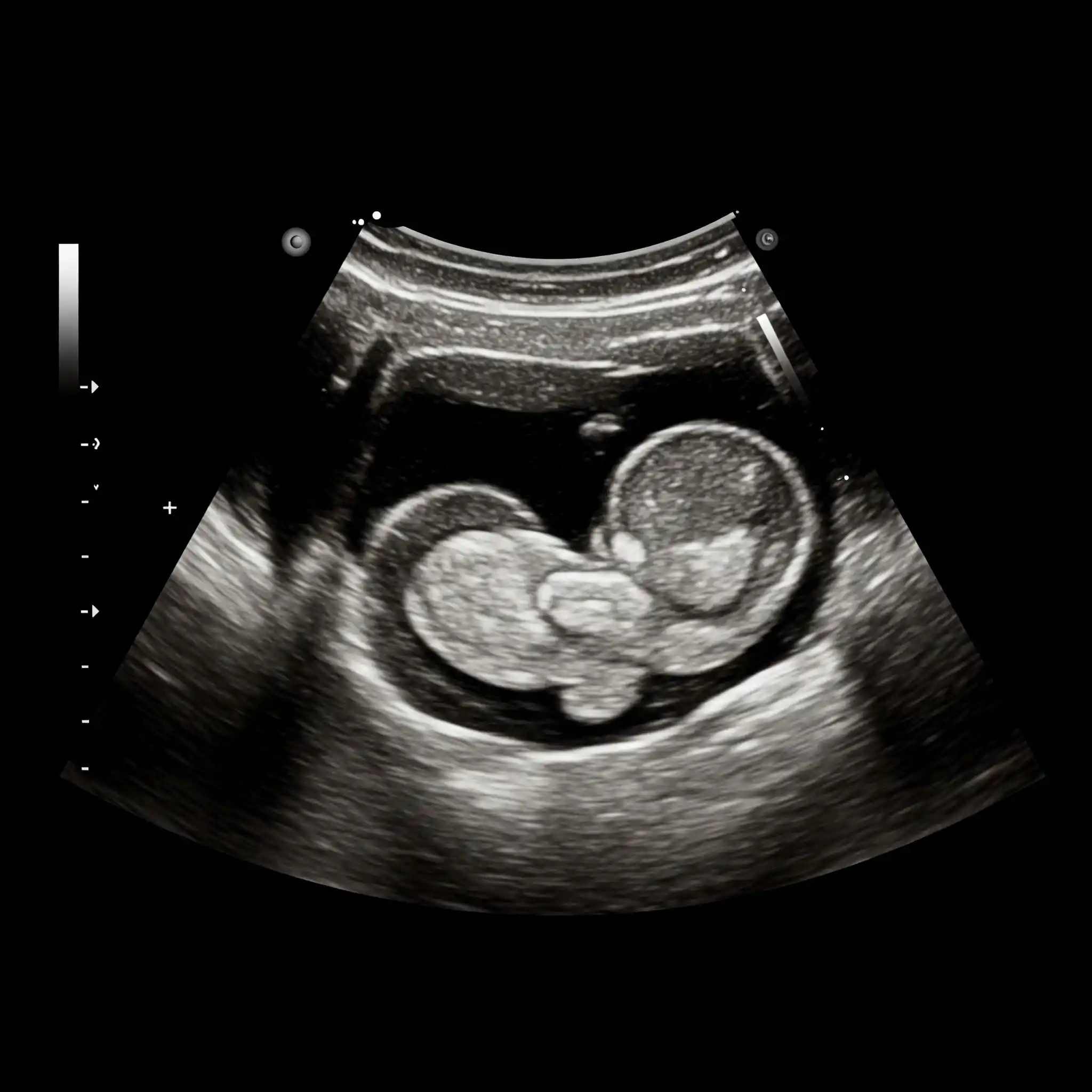
When you look at the list of scans during pregnancy, an early pregnancy scan is probably the first one you’ll have. It is an ultrasound examination performed during the first trimester of pregnancy, typically between 6 and 14 weeks. This non-invasive procedure uses sound waves to create images of your baby in the womb, allowing healthcare professionals to assess various aspects of your pregnancy.
Early pregnancy scans are categorised into following types, each with a specific purpose:
Early pregnancy scans offer numerous benefits, including:
An early pregnancy scan can be performed in two ways:
The type of scan will depend on the stage of your pregnancy and the specific reason for the scan. Your healthcare provider will discuss the best option for you.
During the scan, you'll lie down on an examination table. The sonographer will apply gel to your abdomen or insert a probe if a transvaginal scan is required. They will then move the transducer or probe to capture images of your baby on a monitor.
You'll be able to see your baby's tiny form, perhaps even their heartbeat, which can be a truly magical experience. The sonographer will take measurements and assess various aspects of your pregnancy, explaining the findings as they go.
An early pregnancy scan offers a fascinating glimpse into your baby's early development. What you see will depend on the type of scan and how far along you are in your pregnancy. Here's a breakdown of the common findings:
Around 6-8 weeks (Viability Scan):
Around 8-14 weeks (Dating Scan):
In most cases, there's no special preparation needed for an early pregnancy scan. However, your healthcare provider may advise you to:
Unfortunately, miscarriage is a common occurrence in early pregnancy. An early pregnancy scan can help assess the health of the pregnancy and identify any potential signs of miscarriage, such as:
If the scan reveals a miscarriage, your healthcare provider will discuss the next steps with you, which may involve medication or a minor surgical procedure to remove the pregnancy tissue.
An early pregnancy scan is a significant milestone in your pregnancy journey, offering a first glimpse of your developing baby and providing crucial information about their health and well-being. While it can be a source of excitement and reassurance, it's important to be aware that early pregnancy can also be a time of uncertainty.
If you have any concerns or experience any symptoms like bleeding or pain, don't hesitate to contact your healthcare provider. They can offer support and guidance throughout your pregnancy journey.
Is an early pregnancy scan painful?
No, an early pregnancy scan is generally not painful. You may feel some pressure during a transvaginal scan, but it should not be uncomfortable.
How accurate is the due date given by an early pregnancy scan?
Dating scans are very accurate in early pregnancy, usually within 3-5 days.
Can an early pregnancy scan harm my baby?
No, early pregnancy scans use ultrasound technology, which is considered safe for both mother and baby.
What if the scan doesn't show a heartbeat?
If a heartbeat isn't detected, it may be too early in the pregnancy, or it could indicate a miscarriage. Your healthcare provider will discuss the findings and recommend appropriate next steps.
Can I find out the gender of my baby during an early pregnancy scan?
It's usually too early to determine the sex of the baby during an early pregnancy scan.
When will I have my next scan?
Your healthcare provider will schedule your next scan based on your individual needs and the findings of the early pregnancy scan. This is often the anomaly scan around 20 weeks.
For more health-related content, visit our Dawaa Dost website. You will also get access to quality medicines and healthcare products, all at affordable prices. Check it out now!
Disclaimer: This article is intended for informational purposes only and should not be considered a substitute for professional medical advice. Always consult a qualified healthcare provider for diagnosis and treatment of any health condition.
Our Services
Knowledge Base
Fetured Categories
© 2026 DawaaDost. All rights reserved. In compliance with Drugs and Cosmetics Act, 1940 and Drugs and Cosmetics Rules, 1945, we don't process requests for Schedule X and other habit forming drugs.