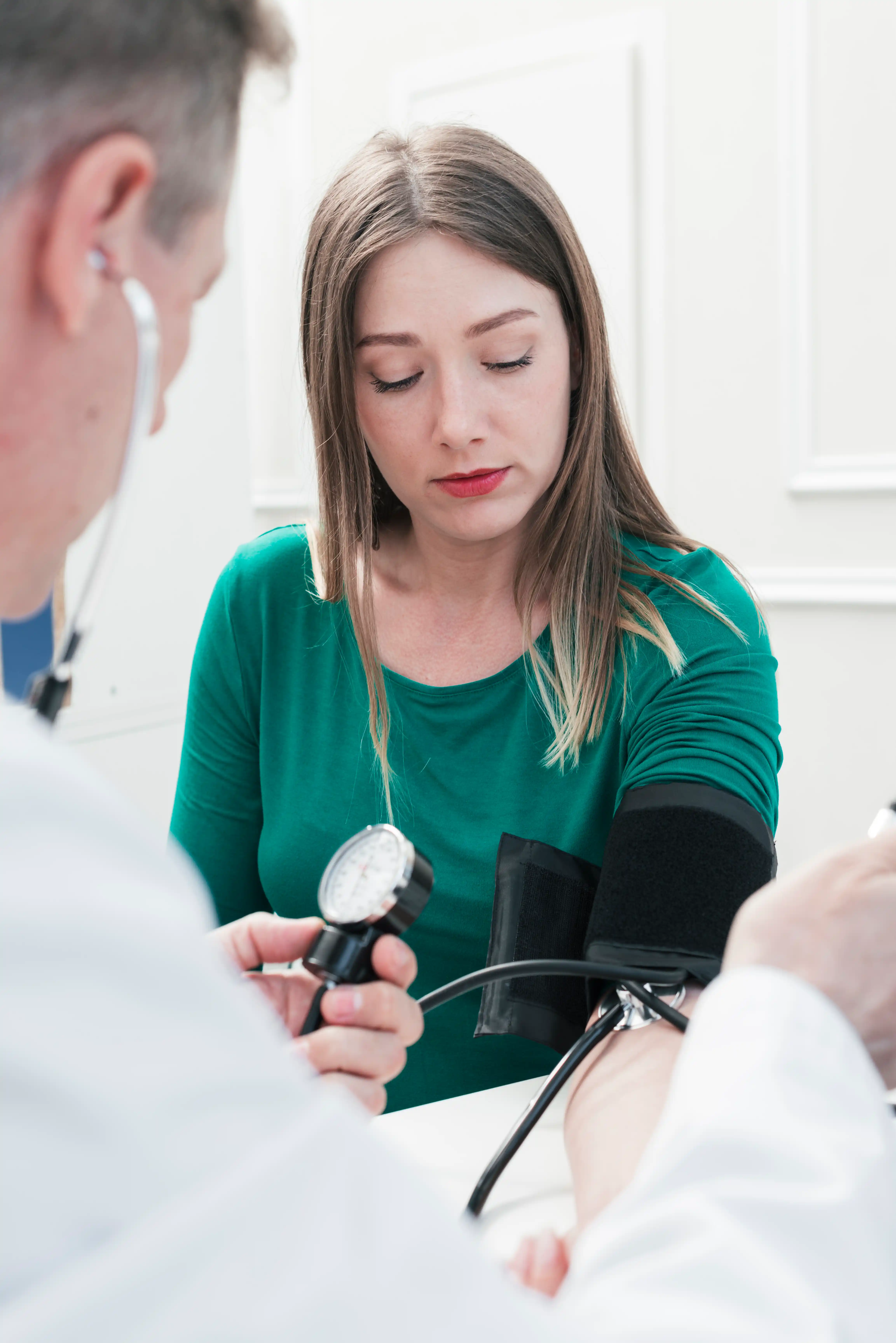
Hypertension, often referred to as high blood pressure, is a significant health condition that can lead to serious complications if left unchecked. It is categorized into various types, each with its causes, risk factors, and methods of management. In this blog, we will explore the different types of hypertension, their causes, symptoms, and how to manage them effectively. We will also discuss the importance of regular monitoring and the use of tools like the Dr. Morepen BP 15 - Automatic B.P. Monitor to keep track of your blood pressure.
What is Hypertension?
Hypertension occurs when the force of blood against the walls of your arteries is consistently too high. This condition makes your heart work harder than it needs to, which can lead to severe health issues like heart disease, stroke, and kidney damage. Hypertension is often called the “silent killer” because it may not present noticeable symptoms until it’s too late.
Types of Hypertension
Hypertension is categorized into different types based on the cause and the specific factors involved. Understanding these types is crucial for proper diagnosis and management.
1. Primary Hypertension
Also known as essential hypertension, primary hypertension is the most common type, accounting for around 90-95% of all hypertension cases. It develops gradually over many years and has no identifiable cause. Several factors can contribute to the development of primary hypertension, including genetic predisposition, lifestyle choices, poor diet, lack of physical activity, smoking, and excessive alcohol consumption.
Risk Factors:
- Family history of hypertension
- Age (increases with age)
- Obesity
- Lack of physical activity
- High salt intake
- Excessive alcohol consumption
Management:
For managing primary hypertension, lifestyle changes such as a balanced diet, regular exercise, weight management, and stress reduction are highly recommended. In some cases, medication may be required to control blood pressure effectively.
2. Secondary Hypertension
Unlike primary hypertension, secondary hypertension has an identifiable cause. It occurs due to other underlying health conditions such as kidney disease, hormonal disorders (like hyperthyroidism), or certain medications. Secondary hypertension is less common, but it is often more severe and can develop suddenly.
Causes:
- Chronic kidney disease
- Cushing’s syndrome
- Sleep apnea
- Hyperthyroidism
- Certain medications (e.g., birth control pills, decongestants, pain relievers)
Management:
Treating secondary hypertension involves addressing the underlying health condition. For example, managing kidney disease or controlling hormone imbalances can help reduce blood pressure levels. Medications may also be prescribed to help control hypertension in these cases.
3. White Coat Hypertension
White coat hypertension refers to a condition where a person's blood pressure readings are elevated in a medical setting, like a doctor’s office, due to anxiety or stress. This form of hypertension is usually temporary and occurs when the individual is nervous about the medical environment.
Symptoms:
In most cases, there are no physical symptoms, but the individual may experience higher blood pressure readings during visits to the doctor or hospital.
Management:
To manage white coat hypertension, it’s important to monitor blood pressure outside the clinical setting. This can be done using home blood pressure monitors to assess whether the elevated readings are specific to the doctor’s office or part of a more chronic issue. The Dr. Morepen BP 15 - Automatic B.P. Monitor can be a valuable tool for this purpose, helping you keep track of your blood pressure in the comfort of your home.
4. Masked Hypertension
Masked hypertension is the opposite of white coat hypertension. In this case, blood pressure is normal when measured in a doctor’s office but elevated in other settings, such as at home or during physical activities.
Symptoms:
Like primary hypertension, there are often no obvious symptoms, which makes it more dangerous because it can go undiagnosed for long periods.
Management:
Regular monitoring outside of the doctor's office is crucial to identifying masked hypertension. The use of portable blood pressure monitors like the Dr. Morepen BP 15 - Automatic B.P. Monitor can help detect this condition early, allowing for timely intervention and management.
5. Isolated Systolic Hypertension
Isolated systolic hypertension is a condition where only the systolic blood pressure (the top number in a blood pressure reading) is elevated, while the diastolic pressure (the bottom number) remains normal. This type of hypertension is more common in older adults and can lead to serious cardiovascular issues if not managed.
Causes:
The primary cause of isolated systolic hypertension is the stiffening of the arteries, a condition that typically occurs with aging.
Management:
Treatment involves managing risk factors such as cholesterol levels and lifestyle changes. Medications specifically designed to reduce systolic pressure, such as calcium channel blockers or diuretics, may be prescribed.
Risk Factors for Hypertension
Certain lifestyle choices and genetic factors can increase your risk of developing hypertension. Key risk factors include:
- Age: The risk of developing hypertension increases with age, especially after 45 for men and 65 for women.
- Family history: If you have close relatives with high blood pressure, you are at a higher risk.
- Obesity: Being overweight increases the strain on your heart and arteries, leading to higher blood pressure.
- Physical inactivity: A lack of physical activity contributes to weight gain and higher blood pressure.
- Diet: A high-salt, high-fat diet can raise blood pressure levels.
- Excessive alcohol consumption: Drinking too much alcohol can increase blood pressure.
Symptoms of Hypertension
Hypertension often develops gradually and without any noticeable symptoms. However, as the condition worsens, you might experience the following:
- Severe headaches
- Shortness of breath
- Chest pain
- Dizziness or fainting
- Vision problems
Since hypertension can be asymptomatic, regular monitoring is crucial to detect it early and prevent complications.
Complications of Hypertension
If left untreated, hypertension can lead to severe complications such as:
- Heart disease and heart attack: Elevated blood pressure puts extra strain on the heart, leading to an increased risk of heart disease and heart attack.
- Stroke: High blood pressure can damage blood vessels in the brain, increasing the risk of a stroke.
- Kidney damage: Hypertension can damage the kidneys and lead to kidney failure.
- Vision loss: Elevated blood pressure can damage the blood vessels in the eyes, leading to vision impairment.
How to Manage Hypertension Effectively
Managing hypertension involves lifestyle changes and, in some cases, medication. Here are some key strategies:
- Monitor your blood pressure regularly: Regular monitoring helps you understand your blood pressure trends and ensures that any fluctuations are caught early.
- Maintain a healthy diet: A diet rich in fruits, vegetables, whole grains, and low-fat dairy can help manage blood pressure. Limiting salt intake is crucial.
- Exercise regularly: Engaging in regular physical activity, like walking or cycling, can help reduce blood pressure and improve heart health.
- Manage stress: Chronic stress can contribute to hypertension, so practicing relaxation techniques such as yoga or deep breathing exercises is important.
- Take prescribed medications: If your doctor recommends medication, it’s important to take it as prescribed and regularly follow up for adjustments.
Conclusion
Hypertension is a manageable condition when diagnosed early and treated effectively. Regular monitoring of your blood pressure is essential to maintaining your health. Tools like the Dr. Morepen BP 15 - Automatic B.P. Monitor can help you track your blood pressure from the comfort of your home, ensuring that you stay informed and can make timely adjustments to your lifestyle and treatment plan. Remember, controlling hypertension is key to preventing serious complications and maintaining a healthy heart.




 0
0