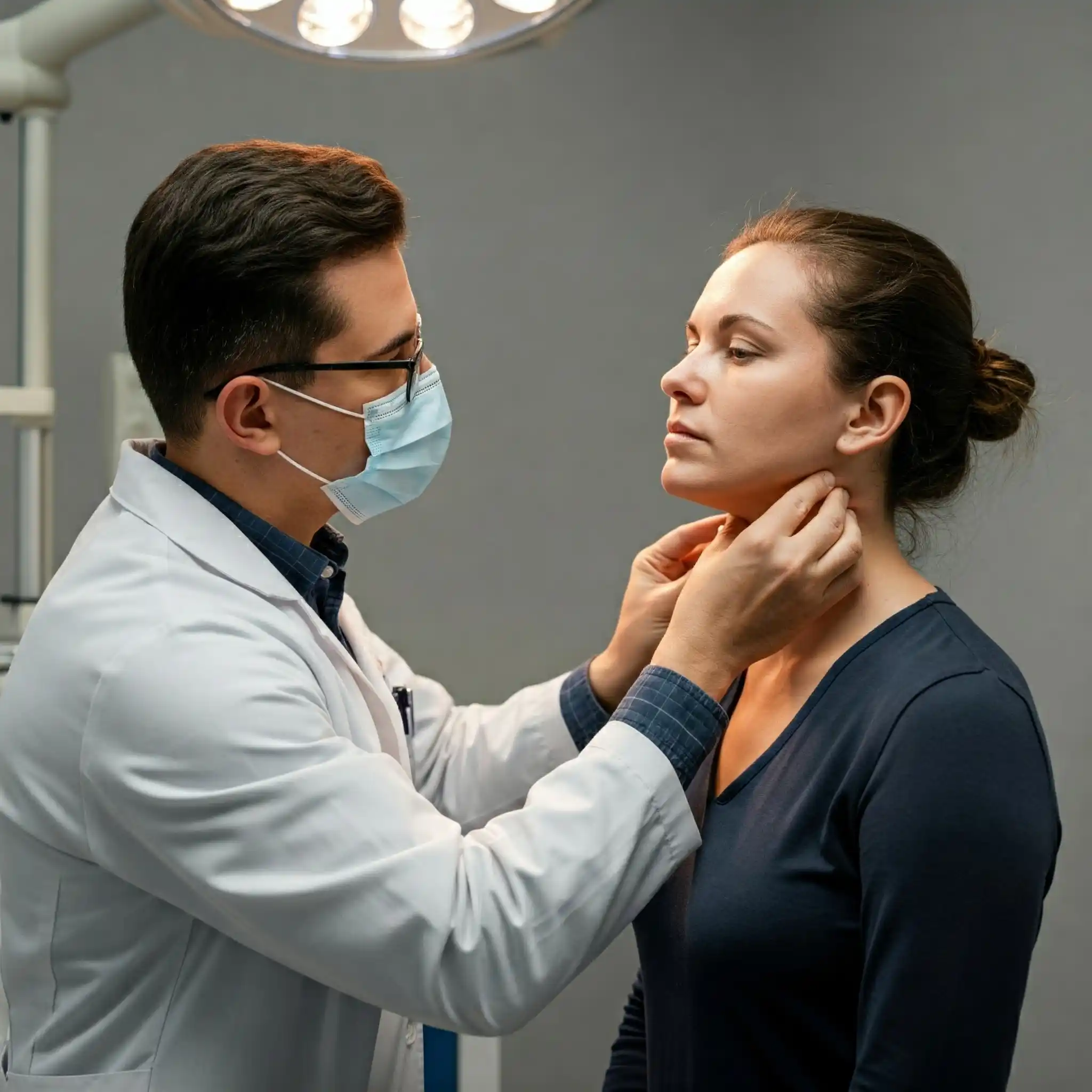
Our bodies function optimally thanks to a delicate balance of hormones. One such essential hormone is the parathyroid hormone (PTH), produced by the parathyroid glands – four tiny glands located in the neck, near the thyroid gland. PTH plays a crucial role in regulating calcium and phosphorus levels in the blood.
When these glands don't produce enough PTH, it leads to a condition called hypoparathyroidism. This condition can disrupt the body's calcium balance, leading to a variety of symptoms.
What is Hypoparathyroidism?
Hypoparathyroidism occurs when the parathyroid glands fail to produce sufficient amounts of parathyroid hormone (PTH). PTH helps control calcium and phosphorus levels in the blood.
Calcium is essential for various bodily functions, including muscle contractions, nerve function, and bone health. When PTH levels are low, calcium levels drop, and phosphorus levels rise, leading to a range of symptoms and potential complications.
What Causes Hypoparathyroidism?
There are a variety of reasons why the parathyroid glands might not produce enough PTH. Here's a closer look at different hypoparathyroidism causes:
1. Surgery-Related
Damage or Removal During Neck Surgery
This is the most common cause of hypoparathyroidism. The parathyroid glands are located very close to the thyroid gland. During surgeries involving the thyroid gland (such as thyroidectomy for thyroid cancer or goiter) or the parathyroid glands themselves (to remove an overactive gland), there's a risk of accidental damage to or removal of one or more of the parathyroid glands. This can disrupt PTH production and lead to hypoparathyroidism.
Reduced Blood Supply to the Glands
Even if the glands are not removed, surgery can sometimes disrupt the blood supply to the parathyroid glands, affecting their function and leading to hypoparathyroidism.
2. Autoimmune Conditions
In some cases, the body's immune system mistakenly identifies the parathyroid glands as foreign invaders and attacks them. This autoimmune response can lead to inflammation and destruction of the glands, resulting in reduced PTH production.
This can occur in isolation or as part of a broader autoimmune condition called autoimmune polyglandular syndrome, where the immune system attacks multiple endocrine glands.
3. Genetic Factors
Rarely, hypoparathyroidism can be caused by genetic disorders that affect the development and function of the parathyroid glands. These conditions can be inherited from one or both parents and may be present from birth.
Examples include familial hypoparathyroidism and DiGeorge syndrome (which involves the deletion of a small piece of chromosome 22, leading to various developmental problems, including hypoparathyroidism).
4. Radiation Therapy
Radiation therapy used to treat cancers in the head and neck region can sometimes damage the parathyroid glands. This damage can lead to decreased PTH production and hypoparathyroidism, often developing months or even years after the radiation treatment.
5. Infiltrative Diseases
Certain diseases can infiltrate and damage the parathyroid glands, impairing their function. Examples include:
- Cancer: Cancer that spreads to the parathyroid glands (metastatic cancer) can damage the glands.
- Sarcoidosis: This is a condition where abnormal collections of inflammatory cells (granulomas) form in various organs, including the parathyroid glands.
- Hemochromatosis: This is a disorder where the body absorbs too much iron, and the excess iron can deposit in organs, including the parathyroid glands, causing damage.
6. Low Magnesium Levels (Hypomagnesemia)
Magnesium is a mineral that plays a crucial role in many bodily functions, including the production and release of PTH. If your magnesium levels are too low, it can impair PTH secretion, leading to hypoparathyroidism. Low magnesium can be caused by various factors, including poor diet, malabsorption issues, alcoholism, and certain medications.
Recognizing Hypoparathyroidism Symptoms
The symptoms of hypoparathyroidism can vary from person to person and range from mild to severe. They often develop gradually and may include:
- Tingling and Numbness in the fingertips, toes, and around the mouth.
- Muscle Cramps or Spasms
- Fatigue and Weakness
- Headaches
- Mood Changes like irritability, anxiety, or depression.
- Dry Skin and Hair
- Brittle Nails
- Seizures (in severe cases)
Diagnosing Hypoparathyroidism
Diagnosing hypoparathyroidism involves a combination of:
- Blood Tests:
- Calcium Levels: A low blood calcium level is a key indicator.
- Parathyroid Hormone (PTH) Levels: Low PTH levels confirm the diagnosis.
- Phosphorus Levels: Phosphorus levels are usually elevated.
- Magnesium Levels: Checking magnesium levels is important as low magnesium can contribute to hypoparathyroidism.
- Urine Tests: Measuring calcium excretion in the urine can help assess the severity of the condition.
- Electrocardiogram (ECG): An ECG can detect changes in heart rhythm that may be associated with low calcium levels.
Hypoparathyroidism Treatment Options
The primary goal of treatment is to restore calcium levels to normal and manage symptoms. Treatment is typically lifelong and requires careful monitoring. Here's a closer look at the treatment options:
1. Calcium and Vitamin D Supplementation
Calcium
This is the cornerstone of hypoparathyroidism treatment. Your doctor will prescribe calcium carbonate supplements, for example, Shelcal 500 tablets, and the dosage will be individualized based on your blood calcium levels and how well you absorb calcium. It's important to take calcium supplements as directed and spread the doses throughout the day to improve absorption.
Vitamin D
Vitamin D is crucial for calcium absorption. Your doctor will likely prescribe calcitriol, an active form of vitamin D, to enhance calcium absorption from the gut. The dosage will be adjusted based on your blood calcium levels.
2. Addressing Magnesium Deficiency
If your blood tests reveal low magnesium levels, your doctor will also prescribe magnesium supplements. Magnesium is essential for the parathyroid glands to produce and release PTH effectively.
3. Recombinant Parathyroid Hormone (rPTH) Therapy
In some cases, your doctor may prescribe recombinant human parathyroid hormone (rhPTH), a synthetic form of PTH. This medication is administered by injection and helps to mimic the actions of natural PTH in regulating calcium and phosphorus levels.
rPTH therapy can help improve calcium levels, reduce the need for high-dose calcium and vitamin D supplements, and improve quality of life. However, it requires careful monitoring and dose adjustments.
4. Dietary Considerations
Calcium-rich foods
Your doctor may recommend a diet rich in calcium, including dairy products, leafy green vegetables, fortified foods (like orange juice and cereals), and tofu.
Phosphorus restriction
You may need to limit your intake of phosphorus-rich foods, such as red meat, processed foods, and carbonated drinks. High phosphorus levels can further lower calcium levels in the blood.
Working with a dietitian
A registered dietitian can help you create a balanced meal plan that meets your individual needs and preferences while managing your calcium and phosphorus intake.
Follow-up and Monitoring the Condition
Regular Blood Tests
Regular monitoring of your blood calcium, PTH, phosphorus, and magnesium levels is crucial to ensure your treatment is effective and to adjust medications as needed.
Kidney Function Tests
Long-term use of calcium and vitamin D supplements can sometimes affect kidney function. Your doctor will monitor your kidney health through regular blood and urine tests.
Bone Density Testing
Hypoparathyroidism can affect bone health. Your doctor may recommend bone density testing to assess your bone health and recommend appropriate measures to maintain strong bones.
Does Hypoparathyroidism Lead to Complications?
If left untreated, hypoparathyroidism can lead to several complications:
- Kidney Stones: High calcium levels in the urine can increase the risk of kidney stones.
- Kidney Problems: Long-term hypoparathyroidism can affect kidney function.
- Cataracts: Low calcium levels can contribute to the development of cataracts.
- Brain Calcifications: Calcium deposits can form in the brain, potentially leading to neurological problems.
- Heart Problems: Severe hypocalcemia can affect heart rhythm and function.
Tips for Living with Hypoparathyroidism
Living with hypoparathyroidism requires ongoing management and monitoring. Here are some tips to help you cope:
1. Regular blood tests are essential to monitor your calcium, PTH, and phosphorus levels. This helps your doctor adjust your treatment as needed.
2. It's crucial to take your medications as prescribed and follow your doctor's instructions carefully.
3. Be mindful of your calcium and phosphorus intake. Your doctor or a registered dietitian can provide guidance on dietary recommendations.
4. Carry information about your condition and medications with you at all times, especially if you experience severe symptoms like muscle spasms or seizures.
In Conclusion
Hypoparathyroidism is a rare but manageable condition. By understanding its causes, recognizing the symptoms, and seeking appropriate medical care, you can effectively manage this condition and minimize the risk of complications. Regular monitoring, medication adherence, and lifestyle adjustments are key to maintaining a good quality of life with hypoparathyroidism.
If you experience symptoms suggestive of this condition, don't hesitate to consult your healthcare provider for proper evaluation and treatment.
Looking for affordable medicines and healthcare products but don't know where to buy them? Check out our Dawaa Dost website, where we make quality and affordable medicines accessible to all!




 0
0