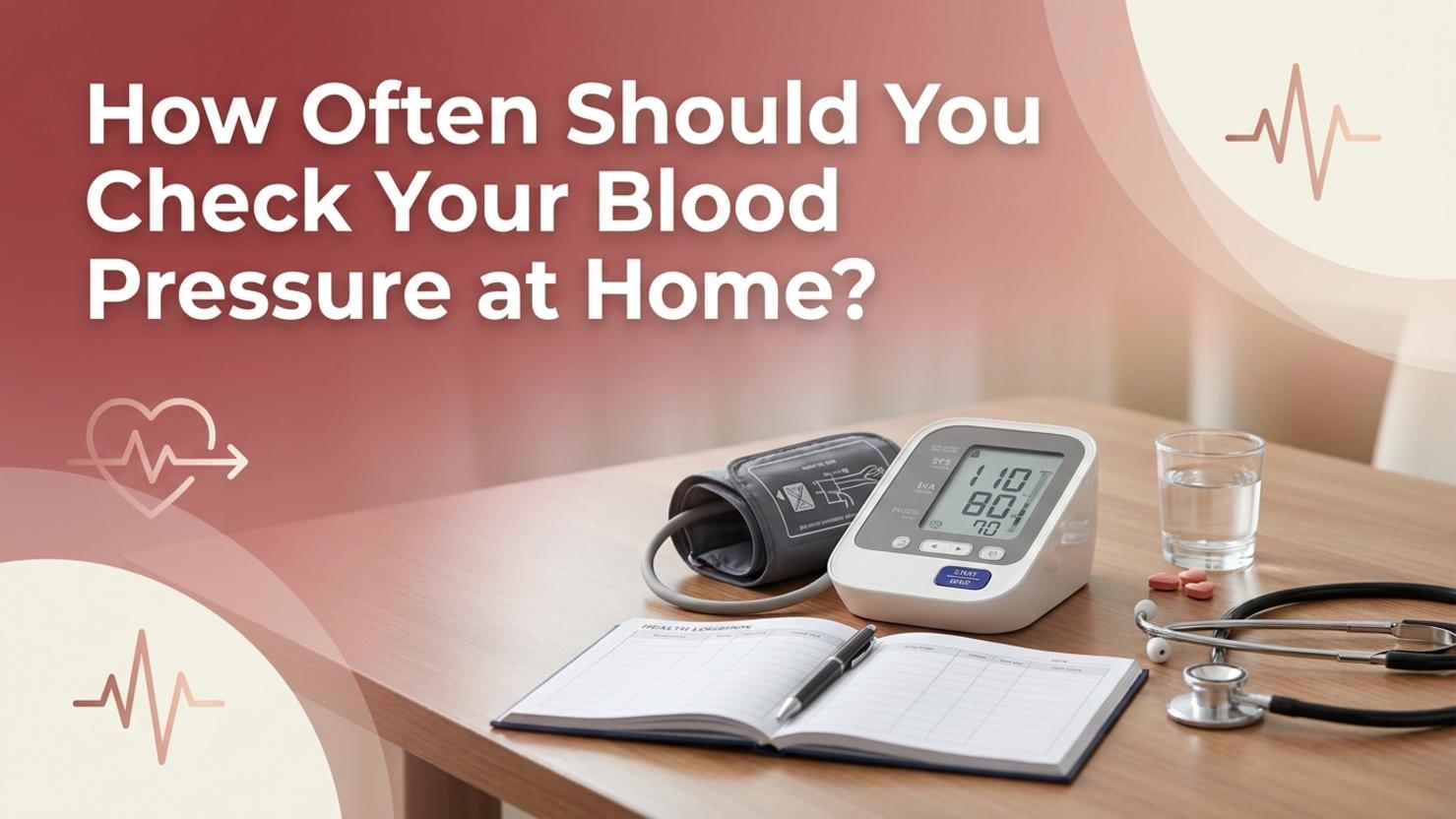
Monitoring your blood pressure regularly is a proactive step towards protecting your heart health. At-home blood pressure monitoring helps you and your doctor detect changes early, ensuring any health issues can be addressed promptly. Devices like the Omron HEM 7090 L Automatic BP Monitor, equipped with advanced oscillometric technology, have made it easier than ever to check your readings reliably from the comfort of your own home. But how often should you check your blood pressure? This comprehensive guide will walk you through when, why, and how often you should take your readings, and explain why an at-home monitor is a vital part of your personal healthcare toolkit.
High blood pressure is often called the “silent killer” because it typically has no noticeable symptoms until serious complications develop. Regular monitoring at home allows for early detection and consistent tracking, empowering you to take an active role in managing your health. At-home checks are especially crucial if you have hypertension, diabetes, kidney disease, or a family history of cardiovascular issues. Accurate records from home monitoring can help your healthcare provider make more informed decisions regarding your treatment plan.
Modern at-home monitors like the Omron HEM 7090 L Automatic BP Monitor use oscillometric technology to measure blood pressure. This technology detects the oscillations of blood as it flows through your artery beneath an inflatable cuff. It then calculates your systolic and diastolic blood pressure values quickly and painlessly, providing reliable and user-friendly results. The Omron HEM 7090 L Automatic BP Monitor is designed to be accurate, easy to use, and equipped with features such as memory recall and large digital displays, making it perfect for daily or routine self-monitoring.
The frequency of home blood pressure checks depends on your individual health situation and your doctor's recommendations. Generally:
If your blood pressure is normal (less than 120/80 mmHg): Checking your blood pressure once a month is typically sufficient unless your doctor advises otherwise or your health status changes.
If you have been diagnosed with hypertension or are monitoring borderline readings: Your healthcare provider might recommend measuring your blood pressure twice daily—once in the morning before breakfast and again in the evening. Continue this schedule for at least one week or as advised until your readings stabilize and treatment is optimized.
If you’re starting a new medication or changing your treatment plan: You may need to check your blood pressure more frequently to track how the medication affects your readings, often at least twice daily.
Pregnant women, people with chronic illnesses, or those recovering from cardiac events: Should monitor blood pressure as often as recommended by their physician, which could mean daily or several times per week.
To get reliable results, always follow these best practices:
• Rest quietly for five minutes before measuring.
• Sit with your feet flat on the floor and your arm supported at heart level.
• Avoid caffeine, exercise, or smoking at least 30 minutes before measuring.
• Use the same arm each time and measure at the same time of day for consistency.
Blood pressure readings involve two numbers:
Systolic pressure: The top number, indicating the pressure in your arteries when your heart contracts.
Diastolic pressure: The bottom number, measuring the pressure between beats when your heart is at rest.
Normal blood pressure is usually considered to be below 120/80 mmHg. Persistent readings above this level may indicate hypertension, while readings below may suggest low blood pressure (hypotension), especially if you have associated symptoms. It's crucial to log your readings and share them with your healthcare provider for context and interpretation.
The Omron HEM 7090 L Automatic BP Monitor utilizes oscillometric technology, which offers major advantages for users at home:
• Accuracy: This technology minimizes user error and provides dependable results for both systolic and diastolic measurements.
• Ease of Use: Automatic inflation and deflation make the process simple, even for older adults.
• Comfort: The process is gentle and quick, supporting regular monitoring without discomfort or anxiety.
• Accessibility: Digital displays and memory features let you track your readings over time, making it easier to identify trends and discuss them with your doctor.
Establishing a regular monitoring schedule not only ensures accurate records but also builds a healthy habit. Here’s how you can get started:
• Designate a specific time(s) each day for your readings.
• Keep your monitor in a convenient, visible place as a reminder.
• Use a notebook or digital log to record the date, time, and results of each check.
• Bring your readings to your healthcare appointments for better management of your health.
If you notice consistently high readings (e.g., above 140/90 mmHg) or symptoms such as severe headache, chest pain, shortness of breath, or blurred vision, seek medical attention immediately. Likewise, suddenly low readings accompanied by dizziness or fainting should prompt a call to your physician. Never self-adjust your medication based on home readings without consulting a healthcare professional.
Accuracy, reliability, and ease of use are paramount when selecting a home blood pressure monitor. The Omron HEM 7090 L Automatic BP Monitor stands out for its clinically validated oscillometric technology, user-friendly interface, memory recall, and durable build. Be sure to choose a cuff size that fits your arm properly and follow the included instructions carefully for the best results. For more information on managing blood pressure and related conditions, check out our Blog.
Home blood pressure monitoring is a cornerstone of proactive self-care, especially for those at risk of hypertension or related health issues. The Omron HEM 7090 L Automatic BP Monitor offers a reliable, easy, and accurate solution for tracking your numbers. How often you check your blood pressure depends on your current health, your doctor’s recommendations, and any changes to your treatment plan. By establishing a consistent routine, following best practices, and working closely with your healthcare provider, you empower yourself to maintain better health and peace of mind. Start monitoring today and take the next step toward a healthier tomorrow.
If you have a history of high blood pressure, heart disease, diabetes, kidney problems, or are at risk due to family history, you should consider monitoring your blood pressure regularly at home. Always consult your doctor for personalized guidance.
It is recommended to measure your blood pressure at the same time each day, typically in the morning before breakfast and in the evening. Avoid measuring immediately after waking up or after physical activity for the most accurate results.
Yes, the Omron HEM 7090 L Automatic BP Monitor uses clinically validated oscillometric technology to ensure accurate and reliable readings when used according to the instructions.
If you get a high blood pressure reading, wait a few minutes and take it again. If it remains high or is accompanied by symptoms like chest pain, headache, or shortness of breath, contact your doctor immediately.
You can use a paper log, smartphone app, or the memory feature on your Omron HEM 7090 L Automatic BP Monitor. Bring these records to your healthcare appointments or share them as directed by your doctor for effective management.
Disclaimer: This article is intended for informational purposes only and should not be considered a substitute for professional medical advice. Always consult a qualified healthcare provider for diagnosis and treatment of any health condition.
Our Services
Knowledge Base
Fetured Categories
© 2026 DawaaDost. All rights reserved. In compliance with Drugs and Cosmetics Act, 1940 and Drugs and Cosmetics Rules, 1945, we don't process requests for Schedule X and other habit forming drugs.