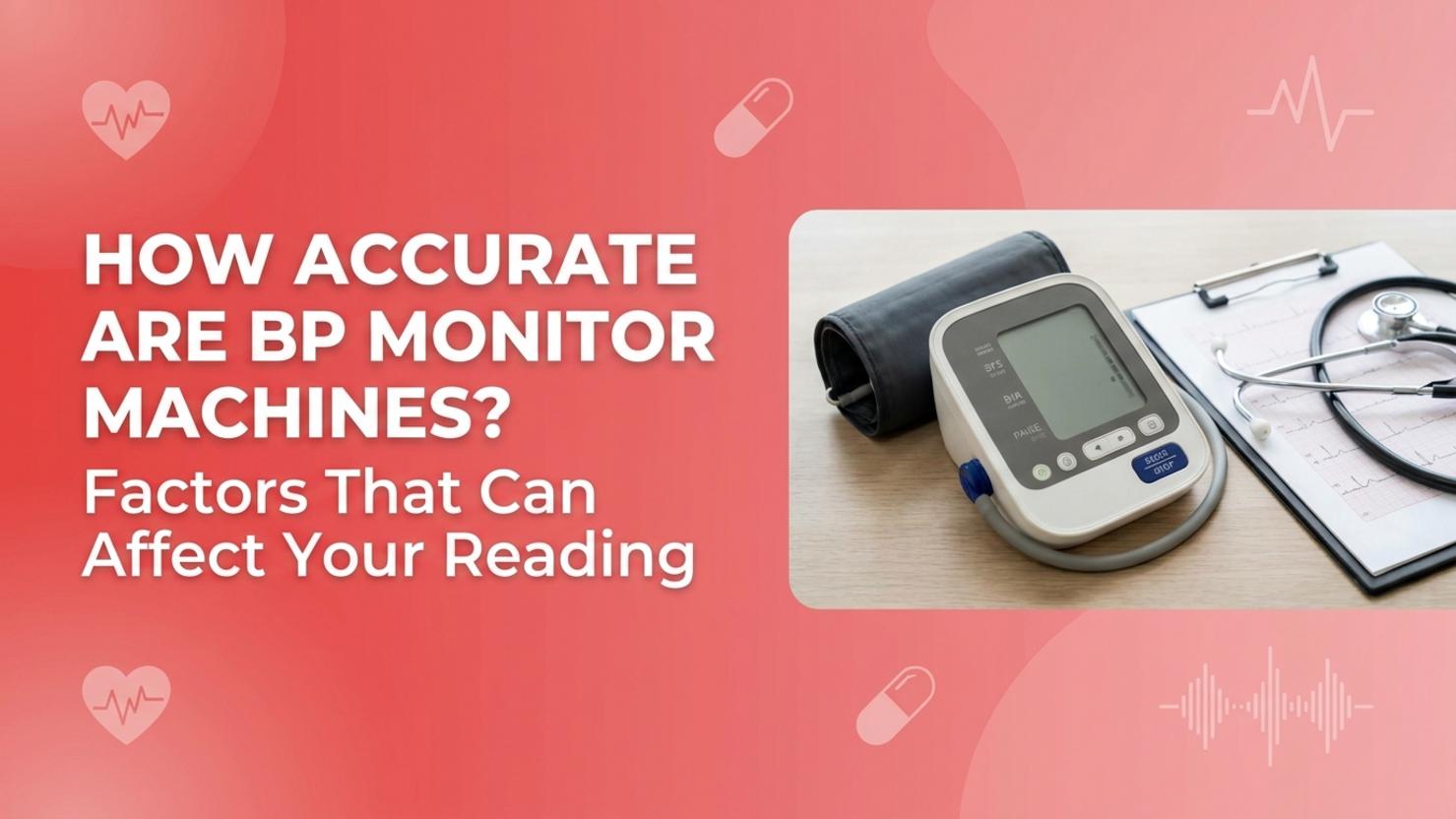
High blood pressure, or hypertension, is known as a "silent killer" because it often has no obvious symptoms but can lead to serious health complications like heart disease, stroke, and kidney failure. Regular monitoring of your blood pressure at home is an important tool for detecting potential health issues early. With the rise of digital home medical devices, many people trust BP monitor machines for daily readings. A popular choice in the market is the Dr Morepen BP 15 Blood Pressure Monitor which uses advanced oscillometric technology. But a common question remains: how accurate are these devices, and what factors can influence the readings you get at home? In this article, we will explore the science and reliability behind BP monitor machines, focusing on the technology, best practices, and the facts you need to know to make the most of your home monitoring experience.
BP monitor machines, or blood pressure monitors, are designed to give quick, reliable, and non-invasive readings of your blood pressure. The main parts of a typical home BP monitor include a cuff, a digital display, and an internal sensor that measures the pressure.
Most modern devices, like the Dr Morepen BP 15 Blood Pressure Monitor, use oscillometric technology. This method involves inflating the cuff to temporarily stop blood flow in your arm. As the cuff deflates, sensors measure the vibrations (oscillations) generated by the blood flow returning to your artery. The device then mathematically calculates your systolic (upper value) and diastolic (lower value) blood pressure, as well as your heart rate. This technology has proven to be reliable, user-friendly, and generally accurate for everyday use.
Accuracy is a critical consideration when relying on a BP monitor machine for tracking your health. Clinical studies and independent validations show that modern oscillometric BP monitors are generally accurate when used correctly by the user. However, it is important to understand that no home device will be as precise as a mercury sphygmomanometer used under medical supervision. Acceptable accuracy for home BP monitors is often within ±5 mm Hg for blood pressure, a range considered safe for most self-monitoring situations.
Several factors can impact how accurate your readings are, even with the best devices:
The Dr Morepen BP 15 Blood Pressure Monitor employs oscillometric technology, which is widely recognized for its reliability, ease of use, and suitability for home monitoring. Unlike manual devices, oscillometric monitors do not require a stethoscope or specialized medical training. The digital interface makes it easy for anyone to check their blood pressure, and advanced features like memory storage and irregular heartbeat detection add to the convenience.
This technology offers:
While oscillometric technology ensures user-friendly operation and generally reliable accuracy, following guidelines is essential for best results.
To get the most accurate readings possible with your Dr Morepen BP 15 Blood Pressure Monitor or any digital device, consider these tips:
While home readings are excellent for self-monitoring, they do not replace professional healthcare guidance. You should consult your doctor if:
Remember, a BP monitor machine is a valuable tool for empowering you to take charge of your health, but medical advice from professionals should guide all major health decisions.
Many misconceptions surround BP monitor machines and their use:
The Dr Morepen BP 15 Blood Pressure Monitor stands out for several reasons:
For more information on blood pressure monitoring and other health topics, visit our Blog.
BP monitor machines, especially those equipped with oscillometric technology like the Dr Morepen BP 15 Blood Pressure Monitor, have revolutionized at-home health management. When used correctly and under proper conditions, these devices deliver readings that are accurate enough to inform personal healthcare decisions and prompt appropriate follow-up with your doctor. Remember, the key is consistency, correct technique, and regular comparisons with professional measurements to ensure your at-home readings remain a helpful part of your health routine. By choosing a trusted device and following best practices, you can confidently keep track of your blood pressure and make informed steps towards better health.
For most people who are monitoring their blood pressure, checking once in the morning and once in the evening is recommended. Always follow your doctor’s instructions regarding the frequency.
No, while home BP monitors are reliable for tracking changes, they do not replace regular check-ups or medical advice from your doctor. Use your readings as a guide and consult a healthcare provider for any concerns.
Differences can occur due to factors like stress or positioning. Take your monitor to your next appointment and compare it with the clinic’s device to ensure accuracy and proper technique.
Manufacturers usually recommend yearly calibration or checks every 2 years. Bring your device to your healthcare provider or service center for professional validation.
Yes, the Dr Morepen BP 15 Blood Pressure Monitor is user-friendly, featuring a large display and easy operation, making it suitable even for elderly users.
Disclaimer: This article is intended for informational purposes only and should not be considered a substitute for professional medical advice. Always consult a qualified healthcare provider for diagnosis and treatment of any health condition.
Our Services
Knowledge Base
Fetured Categories
© 2026 DawaaDost. All rights reserved. In compliance with Drugs and Cosmetics Act, 1940 and Drugs and Cosmetics Rules, 1945, we don't process requests for Schedule X and other habit forming drugs.