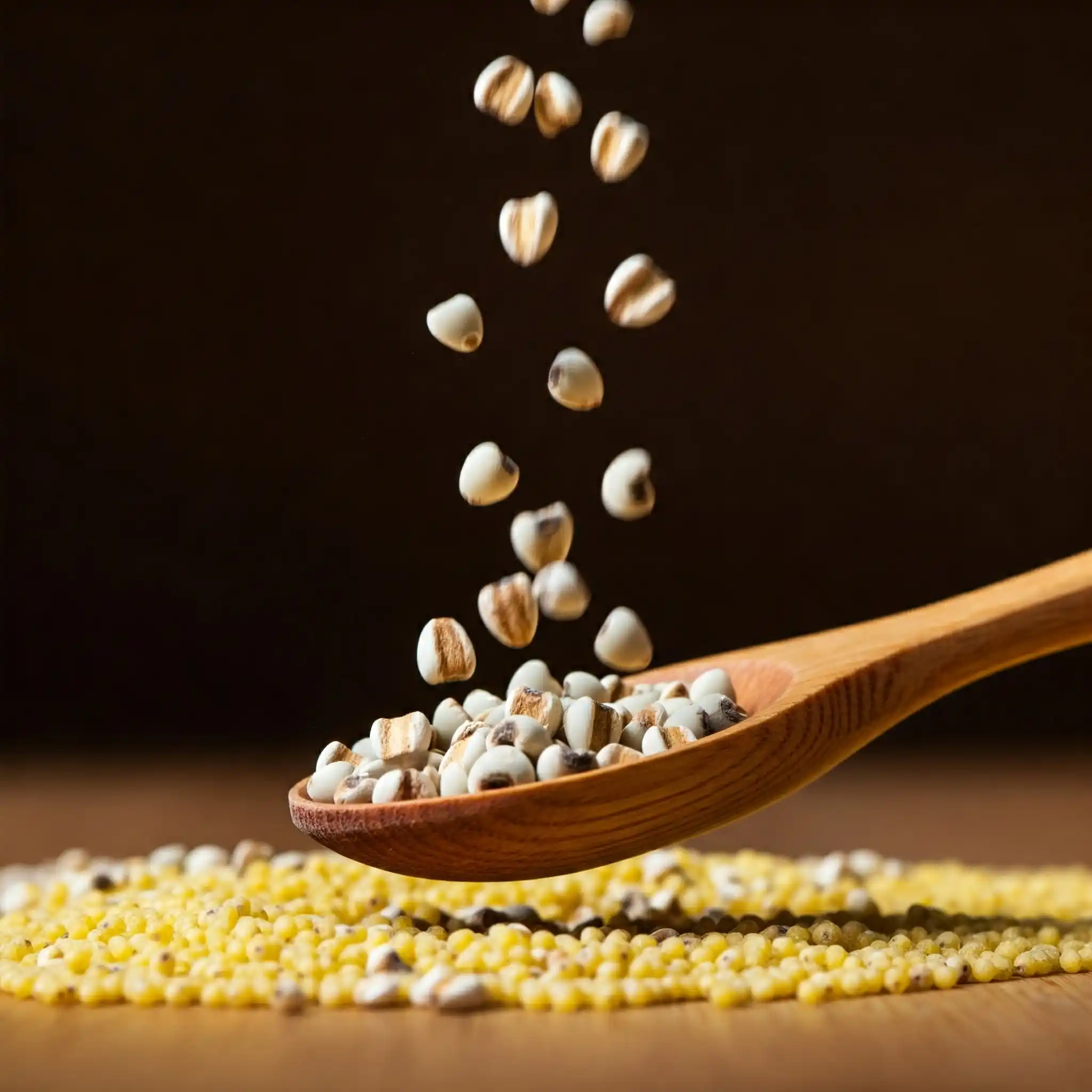
In a world increasingly focused on healthy eating, ancient grains are making a comeback. Among them, millets stand out as nutritional powerhouses packed with vitamins, minerals, and antioxidants. But what exactly are millets, and what are the health benefits of millets? In this blog post, we'll explore the different types of millets, their incredible health advantages, and why you should consider incorporating them into your regular diet.
What are Millets?
Millets are a group of small-seeded grasses that have been cultivated for thousands of years. They are considered ancient grains and have been a staple food in many parts of the world, particularly in Asia and Africa. Millets are known for their hardiness, ability to grow in harsh conditions, and impressive nutritional profile.
This makes them a sustainable and resilient crop, important in a world facing climate change and food security challenges.
Types of Millets
There are several different types of millets, each with its own unique taste and nutritional benefits. Some of the most common types include:
- Pearl millet (Bajra): This is the most widely grown type of millet. It has a mildly sweet flavour and is a good source of protein, fibre, and iron. It's particularly popular in India and Africa, where it's used in flatbreads, porridges, and even brewed into beer.
- Finger millet (Ragi): High in calcium, this millet is excellent for bone health. It has a slightly earthy flavour and is often used to make porridge and flatbreads. It's a staple in South India, where it's known for its high nutrient density and digestibility.
- Foxtail millet (Kangni): Known for its delicate texture and nutty flavour, foxtail millet is rich in carbohydrates and provides sustained energy. It's a good source of iron and phosphorus and is often used in salads, stir-fries, and as a side dish.
- Sorghum (Jowar): A gluten-free grain with a slightly sweet taste, sorghum is high in antioxidants and is often used in baking. It's also a good source of protein and fibre and can be used to make tortillas, flatbreads, and even popcorn.
- Little millet (Samai): This millet is rich in B vitamins and minerals like phosphorus and magnesium. It has a mild flavour and can be used in a variety of dishes. It's known for its high fibre content and is often used in soups, stews, and as a rice substitute.
- Kodo millet: A good source of fibre and iron, kodo millet has a slightly nutty flavour and is often used in soups and stews. It's also a good source of antioxidants and is believed to have anti-inflammatory properties.
- Proso millet: This millet is high in protein and fibre and has a mild, slightly sweet flavour. It can be used in salads, soups, and as a side dish. It's also a good source of magnesium and phosphorus.
Health Benefits of Millets
Excellent Source of Nutrients
Millets are packed with essential nutrients, including fibre, protein, iron, magnesium, phosphorus, and B vitamins. They are also a good source of antioxidants. This diverse nutrient profile contributes to overall health and well-being, supporting various bodily functions.
Improved Digestive Health
The high fibre content in millets promotes regular bowel movements, prevents constipation, and supports a healthy gut microbiome. This can contribute to better nutrient absorption, reduced instances of bloated stomach, and improved overall digestive health.
Blood Sugar Control
Millets have a low glycemic index (GI), meaning they release sugar into the bloodstream slowly, helping to regulate blood sugar levels and reduce the risk of type 2 diabetes. This is particularly beneficial for individuals with diabetes or those at risk of developing the condition.
Weight Management
The high fibre and protein content in millets help you feel full and satisfied, reducing overall calorie intake and aiding in weight loss. They also help stabilize blood sugar levels, preventing cravings and overeating.
Heart Health
Millets are rich in magnesium and potassium, which help regulate blood pressure and reduce the risk of heart disease. They are also a good source of fibre, which can help lower cholesterol levels.
Gluten-Free Option
Millets are naturally gluten-free, making them a safe and healthy alternative for people with celiac disease or gluten intolerance. This opens up a world of culinary possibilities for those with gluten sensitivities.
Bone Health
Millets, particularly finger millet (ragi), are a good source of calcium, which is essential for strong bones and teeth. They also contain magnesium and phosphorus, which contribute to bone health.
May Reduce Cancer Risk
Some studies suggest that the antioxidants in millets may help protect against certain types of cancer. These antioxidants help fight oxidative stress, which can damage cells and contribute to cancer development.
Improved Energy Levels
Millets provide sustained energy due to their complex carbohydrates and fibre content, making them an excellent choice for people with active lifestyles. They can help you power through your day without experiencing energy crashes.
Side Effects of Millets
While millets benefits are impressive and they are generally safe and well-tolerated, there are a few potential side effects to be aware of:
- Goitrogens: Millets contain goitrogens, substances that can interfere with thyroid function in individuals with existing thyroid conditions. If you have thyroid issues, consume millets in moderation and consult your doctor. Soaking and sprouting millets can help reduce goitrogen levels.
- Phytates: Millets contain phytates, compounds that can reduce the absorption of certain minerals like iron and zinc. However, proper soaking and sprouting techniques can reduce phytate levels. Combining millets with vitamin C-rich foods can also enhance mineral absorption.
Final Word
Millets offer a wide array of health benefits, making them a valuable addition to any diet. From improving digestion and controlling blood sugar to promoting heart health and aiding in weight management, the health benefits of millets are numerous.
With their versatility and impressive nutritional profile, millets are an excellent choice for those seeking to enhance their overall well-being. So, why not give these ancient grains a try and experience their amazing benefits for yourself?
FAQs
Are millets good for weight loss?
Yes, millets can be beneficial for weight loss. Their high fibre and protein content promote satiety, keeping you feeling full and satisfied for longer periods. This can help reduce overall calorie intake and support weight management goals.
How do I cook millets?
Cooking millets is similar to cooking rice. Rinse the grains thoroughly, then add them to a pot with water or broth in a 2:1 ratio. Bring to a boil, then reduce heat and simmer covered until the liquid is absorbed.
Cooking times vary depending on the type of millet.
Where can I buy millets?
Millets are becoming increasingly popular and can be found in many grocery stores, health food stores, and online retailers. Look for them in the grain aisle or the international food section.
Are millets safe for people with diabetes?
Yes, millets are a good choice for people with diabetes. They have a low glycemic index (GI), meaning they release sugar into the bloodstream slowly, helping to regulate blood sugar levels.
How can I incorporate millets into my diet?
Millets are versatile and can be enjoyed in various ways. You can use them in porridge, salads, soups, stews, and as a side dish. Millet flour can be used in baking to make bread, pancakes, and other baked goods.
For more health-related content, visit our Dawaa Dost website. You will also get access to quality medicines and healthcare products, all at affordable prices. Check it out now!




 0
0