Ear wax, also known as cerumen, is a natural substance produced by glands in your ear canal. While often perceived as unpleasant, ear wax plays a crucial role in protecting your ears from dust, debris, and infection. However, excessive buildup of ear wax can lead to discomfort and even hearing difficulties.
This blog post provides a comprehensive guide to understanding ear wax, including its causes, symptoms, diagnosis, and treatment options.
What is Ear Wax?
Ear wax is a sticky substance that lines your ear canal. It acts as a protective barrier, trapping dirt, bacteria, and other foreign particles to prevent them from reaching and damaging your eardrum. Usually, ear wax dries up and falls out of the ear naturally, but sometimes it can accumulate and cause problems.
Causes of Ear Wax Buildup
Several factors can contribute to excessive ear wax buildup:
- Overproduction of ear wax: Some individuals naturally produce more ear wax than others.
- Narrow ear canals: Narrow ear canals can make it difficult for ear wax to naturally exit the ear.
- Hairy ear canals: Hair in the ear canal can trap ear wax.
- Use of cotton buds: Pushing ear wax deeper into the canal with cotton buds is a common cause of impaction.
- Hearing aids and earplugs: Regular use can obstruct the natural movement of ear wax.
Symptoms of Ear Wax Buildup
Common symptoms include:
- Hearing loss: Ear wax blockage can muffle sounds.
- Earache or a feeling of fullness in the ear
- Tinnitus (ringing in the ears)
- Itching or irritation in the ear canal
- Dizziness or vertigo
- Cough
Diagnosing If You Have Ear Wax Buildup
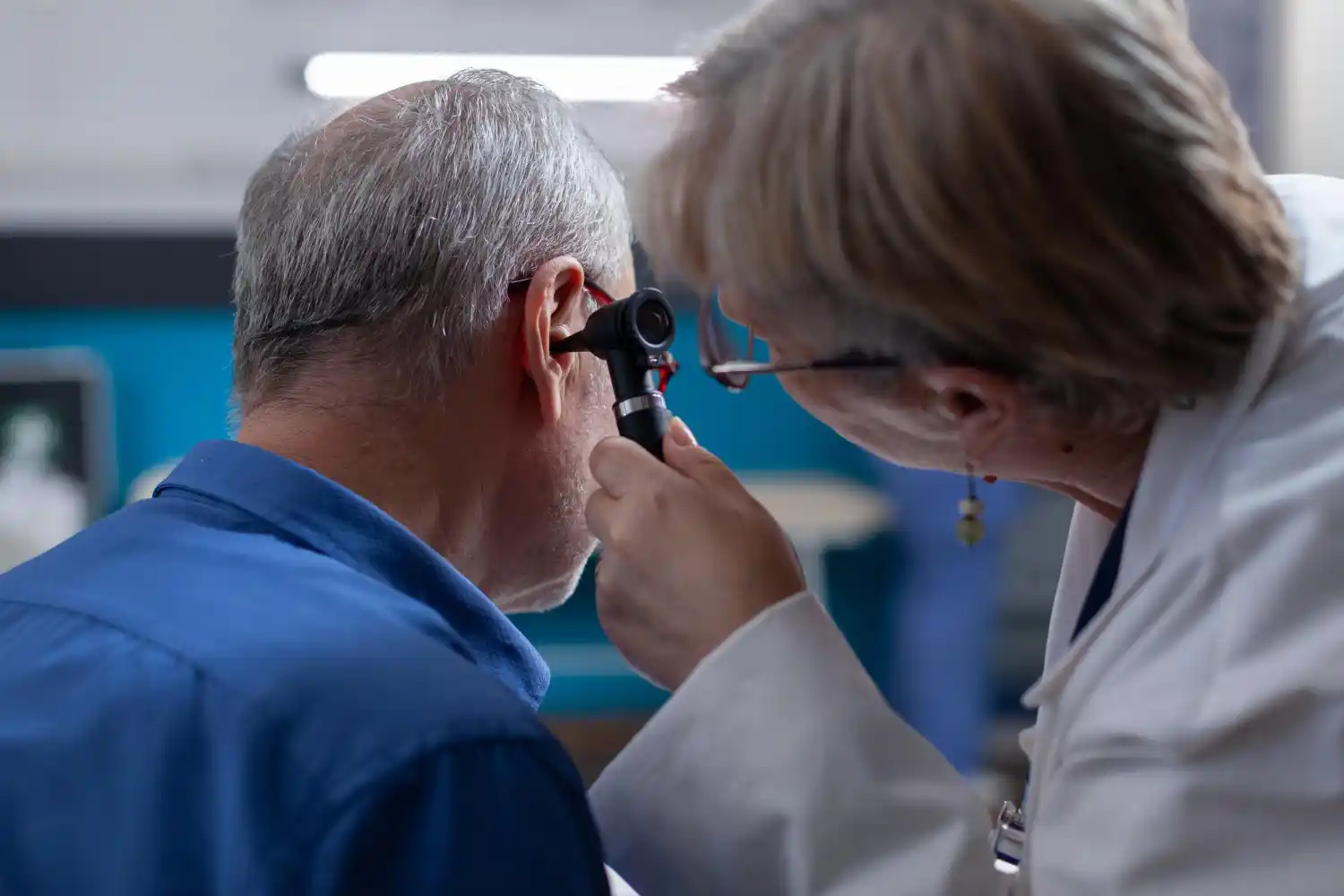
Diagnosing ear wax buildup is usually straightforward. Your doctor will visually examine your ear canal using an instrument called an otoscope. This lighted device allows the doctor to see the eardrum and check for any blockages or abnormalities. In some cases, the doctor may also use a microscope to get a closer look at the ear canal.
Treatment Options
If ear wax buildup is causing symptoms, there are several safe and effective treatment options available:
Ear wax removal drops
Over-the-counter ear drops like clear wax ear drops can soften and loosen ear wax. These drops typically contain ingredients that are wax softeners, local anaesthetic, and lubricating agents. You'll need to apply the drops for a few days according to the instructions, allowing the wax to soften before it falls out or can be removed.
Irrigation
Your doctor can flush out the ear wax using warm water irrigation. This involves gently rinsing the ear canal with water or a saline solution to dislodge and remove the wax.
Manual removal
In cases of stubborn ear wax impaction, your doctor may use special instruments, such as a curette or suction device, to gently remove the wax. This procedure should only be performed by a healthcare professional to avoid injury to the ear canal or eardrum.
Ear wax removal kit
Some kits are available over-the-counter and contain tools like a bulb syringe and softening drops. However, it's crucial to use these kits with caution and follow the instructions carefully.
Prevention and Self-Care Tips
1. Avoid using cotton buds. Cotton buds can irritate the ear canal and push wax deeper.
2. Gently clean the outer ear. Use a damp cloth to clean the outer ear, but avoid inserting anything into the ear canal.
3. Consider over-the-counter ear wax softening drops. If you are prone to ear wax buildup, using ear wax removal drops periodically can help prevent blockages.
When to Pay a Doctor’s Visit
Consult a doctor if you experience:
- Severe ear pain
- Persistent hearing loss
- Bleeding or discharge from the ear
- Symptoms that don't improve with home treatment
- Signs of infection, such as fever or swelling
In Conclusion
Ear wax is a natural part of your ear's defense system. However, excessive buildup can be problematic. By understanding the causes, symptoms, and treatment options for ear wax, you can maintain good ear health. Remember to avoid inserting objects like cotton buds into your ear canal and seek professional help if you have concerns.
FAQs
Should you remove ear wax?
If your ears are functioning properly, you must not try to remove ear wax and leave it as it is.
Is ear wax removal painful?
Removal of ear wax should be done at a doctor’s clinic. While it is not painful, you may feel slight discomfort during the removal process.
What happens if ear wax is not removed?
Impacted ear wax can sometimes lead to infection causing symptoms like itching, pain, and fever. If you think you have developed an ear infection due to ear wax build up, see your doctor.
Can I use coconut oil to remove ear wax?
You may use coconut oil for ear wax removal only if you know you don’t have a nut allergy.
Looking for affordable medicines and healthcare products but don't know where to buy them? Check out our Dawaa Dost website where we make quality and affordable medicines accessible to all!
Sources:
https://www.healthline.com/health/earwax-buildup#_noHeaderPrefixedContent
https://www.webmd.com/a-to-z-guides/ear-wax
Image Source: Image by DC Studio on Freepik




 0
0