How Does Creatine Work in the Body?
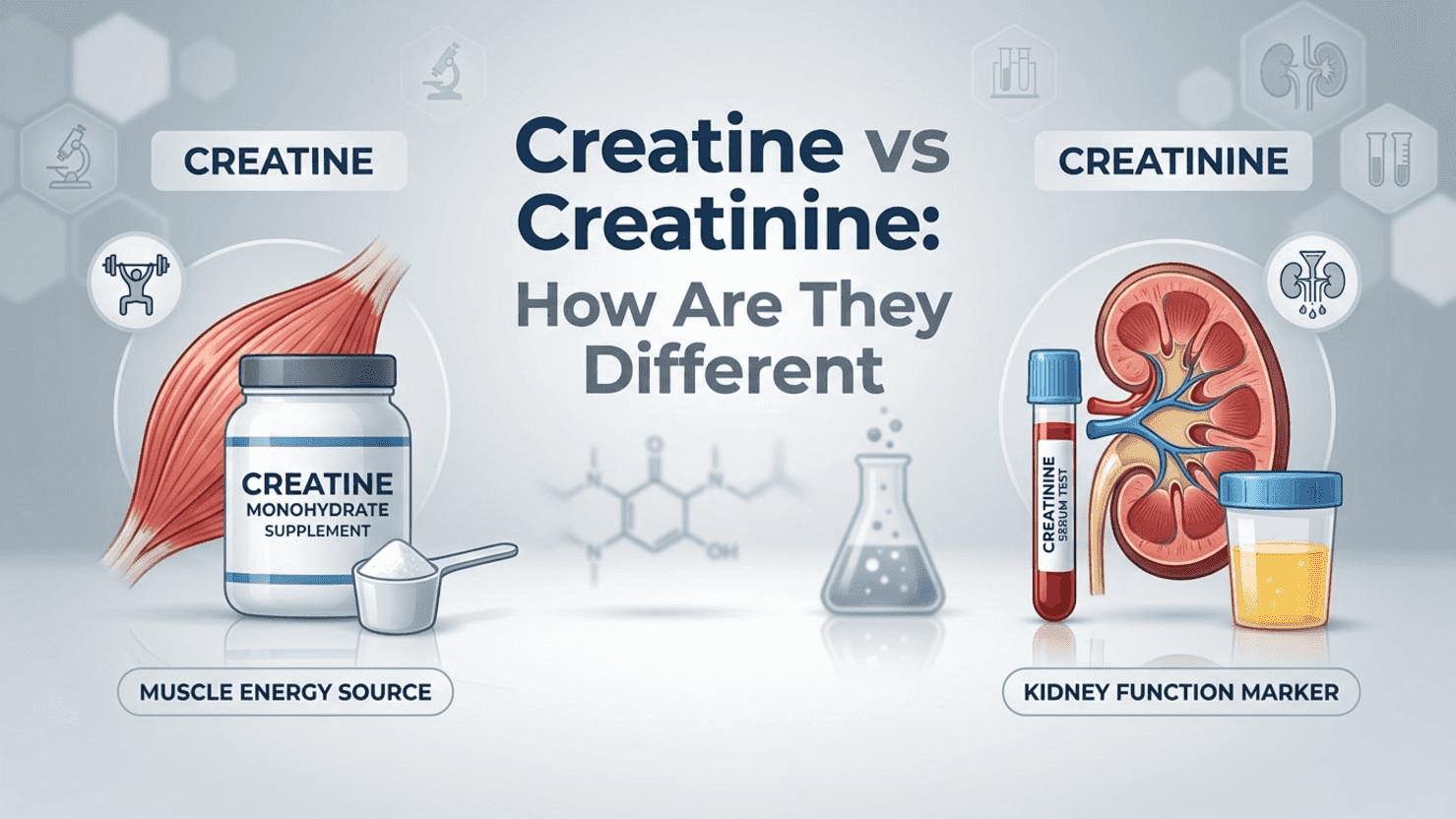
Creatine serves as a rapid energy source for muscle contractions. It helps regenerate adenosine triphosphate (ATP), which is the molecule cells use for energy. By increasing creatine stores in the muscles through supplements like Wellivra Creatine Monohydrate Micronized Powder, users may experience enhanced exercise performance, increased strength, and improved recovery.
Is Creatine Supplementation Safe for Women?
Extensive clinical studies show that creatine is generally safe for healthy adults when used as directed. For women, supplementation is typically well tolerated and does not cause virilization (development of male characteristics), unwanted weight gain due to fat, or hormonal disruptions. Most of the weight gain seen with creatine is the result of water being drawn into the muscles and increased muscle mass with exercise. However, it’s always recommended to consult with a healthcare provider before starting any supplement, especially if you have underlying health conditions.
Who Might Benefit Most from Creatine Supplements?
While creatine offers potential benefits, not all women necessarily "need" to take a creatine supplement. The following groups might benefit the most:
- Active women involved in strength or endurance sports
- Women seeking to improve muscle tone and strength
- Vegetarians or vegans (since dietary sources of creatine are mainly animal-based)
- Older women aiming to retain muscle mass as they age
- Those recovering from injury or muscle atrophy (under medical supervision)
However, women who are pregnant, breastfeeding, have kidney conditions, or take certain medications should avoid creatine supplementation unless cleared by their healthcare provider.
Misconceptions About Creatine and Women
Myths still surround creatine supplementation for women, such as it causing "bulky" muscles, weight gain from fat, or hormonal imbalance. In reality, muscle growth from creatine is due to stronger muscles, not excess fat or masculinity. When combined with resistance training, creatine can support a leaner, fitter physique according to your training program.
Conclusion
Creatine supplements like Wellivra Creatine Monohydrate Micronized Powder can be a valuable tool for women aiming to boost fitness, strength, and overall performance. However, they are by no means necessary for all women. Your choice should reflect your unique health needs, exercise habits, and nutrition. As with any supplement, prioritize safety and professional guidance. If you’re curious about whether creatine could fit into your lifestyle, start by speaking with your healthcare provider—and use resources like our blog for trustworthy health information. Remember, your wellness journey is personal, and the best choices start with informed decisions.
FAQs
Is creatine safe for women to use regularly?
When used at recommended dosages, creatine is generally considered safe for healthy women. Minor side effects, such as bloating, may occur in some individuals. Always consult a healthcare provider before beginning supplementation.
Can creatine cause weight gain in women?
Creatine can lead to an increase in muscle mass and water retention in muscles. This may reflect as a small gain on the scale, but it is not due to fat. Proper exercise and diet help maintain a lean appearance.
Should vegetarian or vegan women consider creatine supplements?
Yes, vegetarians and particularly vegans may benefit from creatine supplementation because vegetarian diets have little to no naturally occurring creatine.
Is creatine suitable for women over 40?
Creatine may support muscle maintenance, strength, and recovery as women age. Women over 40 can consider its use if advised by their healthcare professional.
Are creatine supplements safe to use during pregnancy or breastfeeding?
Creatine supplements are generally not recommended during pregnancy or breastfeeding due to a lack of safety data. Always consult your doctor before taking any supplement in these situations.




 0
0