When people start focusing on fitness, muscle building, or even kidney health, they often come across two similar-sounding words: creatine and creatinine. While these terms are related, they represent very different things in your body. Many athletes and health enthusiasts use supplements like Wellivra Creatine Monohydrate Micronized Powder to improve performance, but confusion about creatine and creatinine is still widespread. Understanding the key differences can help you make informed decisions about your health, fitness, and supplementation. Let’s explore what makes them unique, why they matter for your body, and how safe supplementation can support your goals.
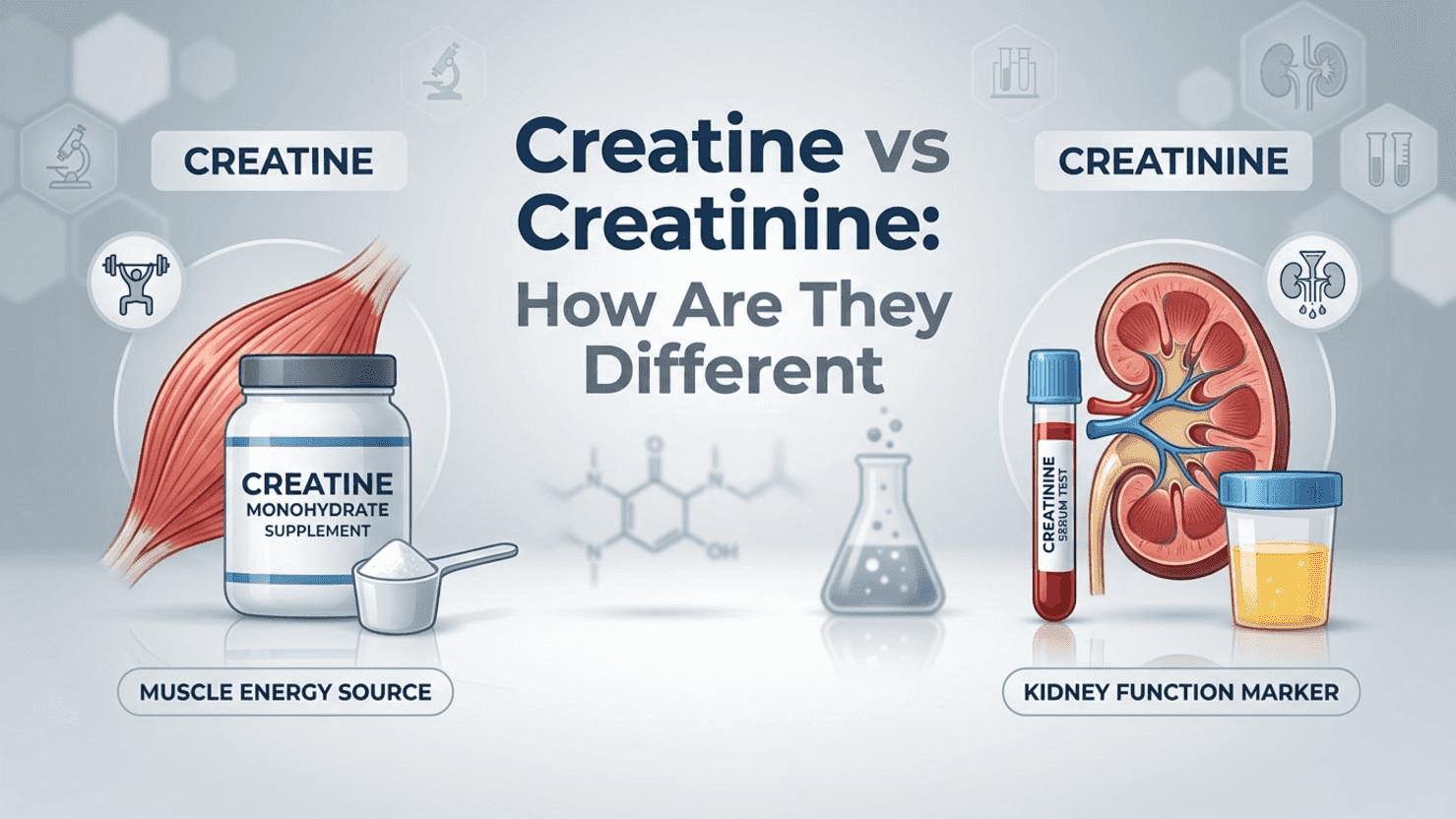
Creatine is a naturally occurring compound found in your muscles and brain. It plays a critical role in producing the energy you need for quick movements and high-intensity exercise. About half of your body’s creatine comes from the food you eat, especially meat and fish. The rest is made inside your liver, kidneys, and pancreas.
Creatine helps regenerate a molecule called adenosine triphosphate (ATP), which is like the "energy currency" of your cells. When you do a sprint or lift weights, your muscles run low on ATP. Creatine helps replenish it quickly, ensuring your muscles keep working at their best. This is why creatine supplements are popular among athletes, bodybuilders, and even older adults looking to improve muscle strength and mass.
Besides your body’s own production, you can get creatine from foods such as: - Red meat - Pork - Fish (like salmon and tuna) - Certain supplements, such as Wellivra Creatine Monohydrate Micronized Powder These sources help maintain the levels your muscles need for peak function.
Creatinine is a different substance altogether. It is a waste product formed when your muscles break down creatine. After creatine does its work providing energy, what’s left over gets converted to creatinine. This by-product then travels through your bloodstream to your kidneys, where it’s filtered out and excreted in urine.
Doctors measure the amount of creatinine in your blood or urine to check how well your kidneys are working. High creatinine levels can indicate that your kidneys are not filtering waste efficiently. On the other hand, low creatinine can sometimes result from reduced muscle mass or certain health conditions.
Understanding the differences between these two terms can help you make better decisions for your health. Here are the main distinctions:
1. Function: - Creatine is used as a fuel source for your muscles, especially during high-intensity activities. - Creatinine is a waste product formed after creatine is used by your muscles.
2. Importance: - Creatine is vital for muscle energy and is often supplemented for performance. - Creatinine serves as a marker for kidney function in medical tests.
3. Role in Supplementation: - Creatine can be safely taken as a supplement (e.g., Wellivra Creatine Monohydrate Micronized Powder) under proper guidance. - Creatinine should not be supplemented, as it’s a waste product—elevated levels may signal a health problem.
Your body stores creatine mostly in your muscles as phosphocreatine. During periods of activity, this stored form helps rapidly produce energy. Each day, a small percentage of your muscle creatine is converted into creatinine, which is then cleared by your kidneys.
Healthy kidneys filter creatinine efficiently. When the filtering mechanism becomes less effective, creatinine builds up in the blood, serving as an early warning sign for kidney issues.
Supplements like Wellivra Creatine Monohydrate Micronized Powder are specially designed to boost creatine reserves in your muscles. Extensive research backs their benefits for strength, endurance, and even brain health.
Key Benefits Include: - Improved high-intensity exercise performance - Increased muscle mass and strength - Quicker recovery post-exercise - Potential cognitive support in older adults
When used within recommended dosages, creatine monohydrate is considered one of the most well-researched and safe supplements available. It’s important to drink plenty of water and consult your doctor before starting any supplement, especially if you have underlying kidney concerns or other medical conditions.
One frequent concern is whether creatine supplementation can harm the kidneys by increasing creatinine levels in the blood. It’s true that taking extra creatine can slightly raise your creatinine, but this is usually not harmful in healthy individuals. For someone with pre-existing kidney disease, it is essential to consult a doctor before supplementation.
Another myth is that creatine is only for male bodybuilders. In fact, it benefits men and women, athletes, and non-athletes alike by supporting muscle health throughout life.
People who may benefit from adding supplements like Wellivra Creatine Monohydrate Micronized Powder after consulting with a medical professional include: - Athletes and fitness enthusiasts - Vegetarians or vegans who may get less creatine from their diet - Older adults aiming to preserve muscle strength - Individuals recovering from injuries or illness affecting muscle mass
It’s always important to base supplementation on individual needs, goals, and medical guidance.
Routine creatinine testing is a part of many standard medical check-ups. If you’re concerned about kidney function or planning to start creatine supplements, discuss with your doctor whether you should monitor your creatinine levels more closely. This is especially relevant for people with diabetes, high blood pressure, or a personal or family history of kidney conditions.
While creatine and creatinine may sound alike, they perform very different jobs in the body. Creatine fuels your muscles, supporting energy and performance. Creatinine, on the other hand, is a waste product that helps doctors assess kidney health. Supplements like Wellivra Creatine Monohydrate Micronized Powder can be a safe and effective way to boost your fitness when used responsibly and with professional advice.
For more insights on muscle health, nutrition, and improving your well-being, visit our Blog.
Understanding the difference between creatine and creatinine empowers you to make healthier choices, whether you're aiming for peak athletic performance or just monitoring your body’s essential functions. Creatine is a valuable nutrient for muscle strength and endurance, while creatinine is a crucial marker for kidney health. Always approach supplementation thoughtfully and consult with healthcare providers for individualized advice. If you're interested in supporting your active lifestyle safely, consider exploring high-quality supplements like Wellivra Creatine Monohydrate Micronized Powder as part of your wellness journey.
Creatine is a compound that helps your muscles produce energy, while creatinine is a waste product made when your body breaks down creatine. Creatine supports physical performance, and creatinine is used by doctors to check kidney function.
Creatine supplements like Wellivra Creatine Monohydrate Micronized Powder are safe for most healthy adults when taken as instructed. People with kidney problems, or those taking certain medications, should consult a healthcare provider before use.
Creatine supplementation can slightly raise blood creatinine levels because more creatine in the body leads to more breakdown. This usually isn’t harmful in healthy people, but those with kidney issues should monitor levels under a doctor’s supervision.
Yes, creatine has been shown to increase muscle strength, enhance performance in high-intensity activities, and promote quicker recovery. That’s why it’s popular among athletes and active individuals.
No, creatine levels reflect how much of the supplement or dietary source you have in your body, while creatinine results from lab tests mainly show how well your kidneys are filtering waste. The two are related but have very different meanings for your health.
Disclaimer: This article is intended for informational purposes only and should not be considered a substitute for professional medical advice. Always consult a qualified healthcare provider for diagnosis and treatment of any health condition.
Our Services
Knowledge Base
Fetured Categories
© 2026 DawaaDost. All rights reserved. In compliance with Drugs and Cosmetics Act, 1940 and Drugs and Cosmetics Rules, 1945, we don't process requests for Schedule X and other habit forming drugs.