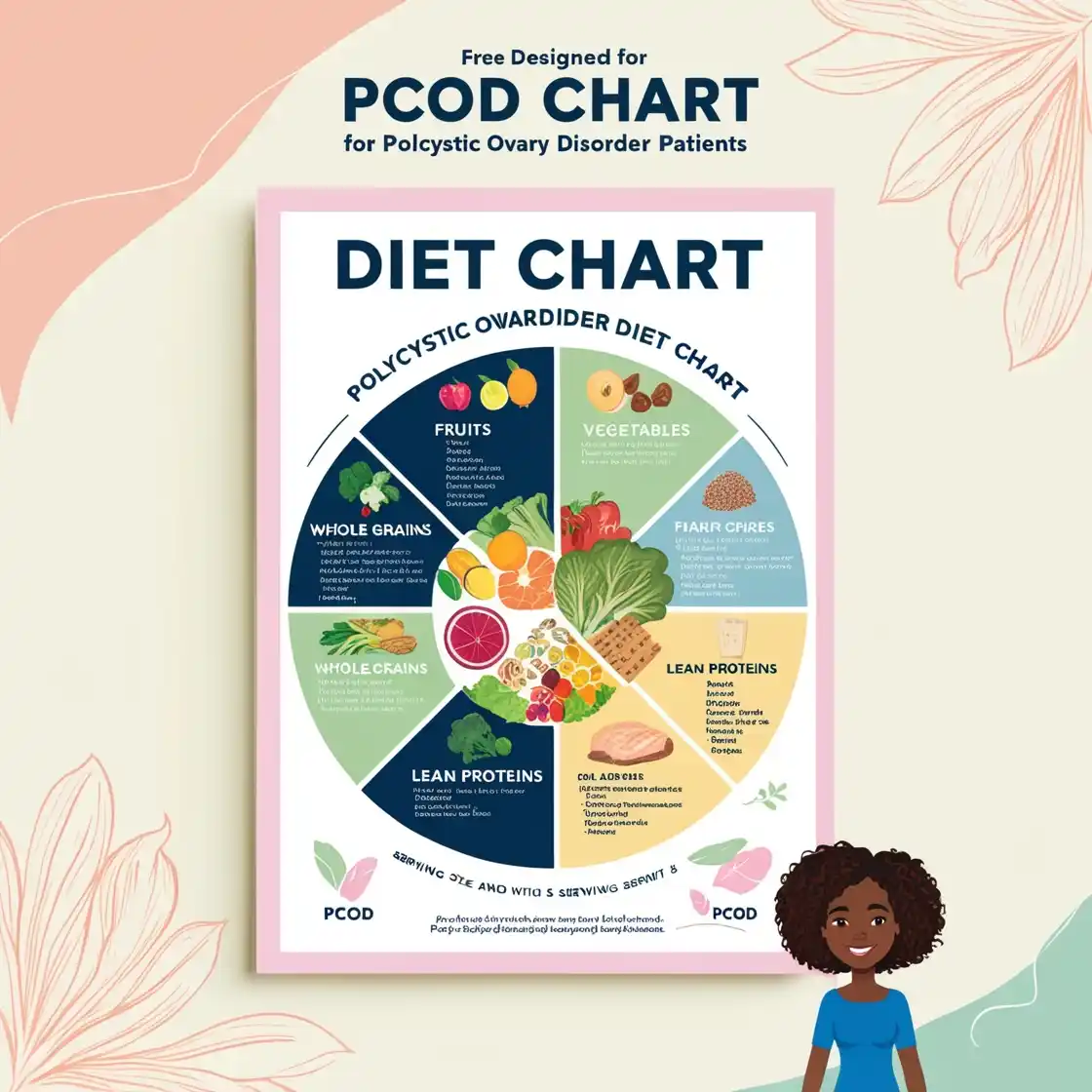
Polycystic Ovarian Disease (PCOD), also known as Polycystic Ovary Syndrome (PCOS), is a common hormonal disorder affecting many women of reproductive age. It can cause a variety of symptoms, such as irregular periods, weight gain, acne, hair loss, and infertility. The condition is closely linked to insulin resistance, which often leads to higher insulin levels and, subsequently, increased androgen production (male hormones) that exacerbate PCOD symptoms.
While there is no cure for PCOD, adopting a healthy diet and lifestyle can play a significant role in managing symptoms and improving overall well-being. In this guide, we will discuss an ideal diet plan for managing PCOD, focusing on the types of foods to include, those to avoid, and key tips to keep in mind.
Understanding the Connection Between PCOD and Diet
Diet plays a crucial role in managing PCOD because the condition is often associated with insulin resistance. When the body becomes resistant to insulin, it struggles to convert sugar into energy, leading to high insulin levels in the blood. This triggers the ovaries to produce more androgens, leading to an array of PCOD symptoms such as weight gain, acne, and irregular menstrual cycles.
A PCOD-friendly diet is designed to regulate insulin levels, reduce inflammation, and balance hormones. By focusing on nutrient-dense, whole foods, you can help manage symptoms and support healthy weight management.
Foods to Include in a PCOD Diet
1. High-Fiber Foods
Fiber is essential for maintaining stable blood sugar levels and improving digestion. High-fiber foods help slow the absorption of sugar into the bloodstream, preventing insulin spikes. Fiber-rich foods are also beneficial for maintaining a healthy weight, which is important for PCOD management.
Examples include:
- Vegetables: Broccoli, spinach, kale, cauliflower
- Whole grains: Brown rice, oats, quinoa
- Legumes: Lentils, chickpeas, black beans
- Fruits: Apples, pears, berries
2. Lean Protein
Protein helps keep you full for longer and stabilizes blood sugar levels. Incorporating lean proteins into your meals can reduce sugar cravings and support muscle growth, especially if you engage in regular exercise.
Good sources of lean protein include:
- Chicken breast
- Turkey
- Fish (e.g., salmon, tuna, mackerel)
- Eggs
- Plant-based proteins (lentils, chickpeas, tofu)
3. Healthy Fats
Healthy fats are crucial for hormone production and reducing inflammation. Fats also help in nutrient absorption and can prevent insulin resistance. The key is to focus on unsaturated fats, which are beneficial for heart health and hormone balance.
Sources of healthy fats include:
- Avocados
- Olive oil
- Nuts (almonds, walnuts)
- Seeds (flaxseeds, chia seeds)
- Fatty fish (salmon, sardines)
4. Low Glycemic Index (GI) Foods
The Glycemic Index (GI) measures how quickly foods increase blood sugar levels. Low GI foods release glucose slowly, preventing insulin spikes, which is crucial for managing PCOD symptoms.
Examples of low GI foods include:
- Sweet potatoes
- Quinoa
- Lentils
- Whole grains (brown rice, barley)
- Leafy greens (spinach, lettuce, kale)
5. Anti-Inflammatory Foods
Inflammation is a key contributor to many of the symptoms associated with PCOD. Including anti-inflammatory foods in your diet can help reduce the severity of these symptoms.
Key anti-inflammatory foods include:
- Berries (blueberries, strawberries)
- Fatty fish (rich in omega-3 fatty acids)
- Ginger and turmeric
- Green tea
- Dark leafy greens
Foods to Avoid in a PCOD Diet
Certain foods can exacerbate insulin resistance and lead to inflammation, worsening PCOD symptoms. It’s best to limit or avoid the following:
- Refined Carbohydrates: White bread, pasta, pastries, and sugary snacks can cause blood sugar spikes and contribute to weight gain.
- Sugary Foods and Beverages: Soda, candy, and desserts are high in added sugars, which increase insulin resistance and promote inflammation.
- Processed Foods: Packaged snacks, fried foods, and processed meats contain unhealthy fats and additives that can lead to weight gain and inflammation.
- Dairy (for some women): Dairy products can increase insulin levels and may contribute to elevated androgen levels. Some women with PCOD find their symptoms improve by reducing dairy intake.
- Saturated and Trans Fats: These unhealthy fats, found in fried foods and processed snacks, can promote inflammation and worsen insulin resistance.
Tips for Managing PCOD with Diet and Lifestyle
- Eat Small, Frequent Meals: Eating smaller meals more frequently throughout the day helps prevent blood sugar fluctuations and keeps insulin levels steady. This approach also helps control hunger and prevents overeating.
- Exercise Regularly: Physical activity improves insulin sensitivity and supports weight management. Aim for at least 30 minutes of moderate exercise, such as walking, cycling, or yoga, on most days.
- Stay Hydrated: Drinking plenty of water aids digestion and helps flush out toxins from the body. Hydration is also important for maintaining overall health and hormone balance.
- Limit Processed Foods and Sugars: Processed foods are often high in sugar and unhealthy fats, which can worsen PCOD symptoms. Focus on whole, unprocessed foods to manage insulin resistance and reduce inflammation.
- Incorporate Whole Foods: Whole foods are rich in vitamins, minerals, and fiber. These nutrients help stabilize blood sugar, support weight loss, and reduce inflammation.
- Monitor Your Menstrual Cycle: Keep track of your cycle and any PCOD symptoms you experience. This can help you identify patterns and discuss treatment options with your healthcare provider.
Related Resource: PCOD Management Through Lifestyle Changes
Supplements for PCOD
In addition to a healthy diet, certain supplements may help improve insulin sensitivity and reduce PCOD symptoms. Always consult with your doctor before starting any new supplements.
- Inositol: This supplement can help improve insulin sensitivity and promote regular menstrual cycles.
- Omega-3 Fatty Acids: Found in fish oil, omega-3s can reduce inflammation and balance hormone levels.
- Vitamin D: Many women with PCOD have low levels of vitamin D, which can contribute to insulin resistance and hormone imbalances.
- Magnesium: This mineral supports insulin sensitivity and can help reduce anxiety and fatigue, both common in women with PCOD.
Related Read: Top Supplements for PCOD Management
Conclusion
PCOD can be a challenging condition to manage, but with the right diet and lifestyle changes, you can significantly reduce symptoms and improve your quality of life. A diet rich in high-fiber foods, lean proteins, healthy fats, and low-GI options can help manage insulin resistance and promote hormone balance. By making these small changes and consulting a healthcare professional, you’ll be better equipped to take control of your health.
For personalized treatment options and high-quality medications to support your PCOD journey, visit Dawaadost. Our platform offers a wide range of healthcare solutions to help you manage your condition effectively.
References:
- National Institutes of Health (NIH). 'PCOD: A Comprehensive Guide to Dietary Management.'
- American College of Obstetricians and Gynecologists (ACOG). 'Nutrition and Lifestyle Tips for PCOS Management.'




 0
0