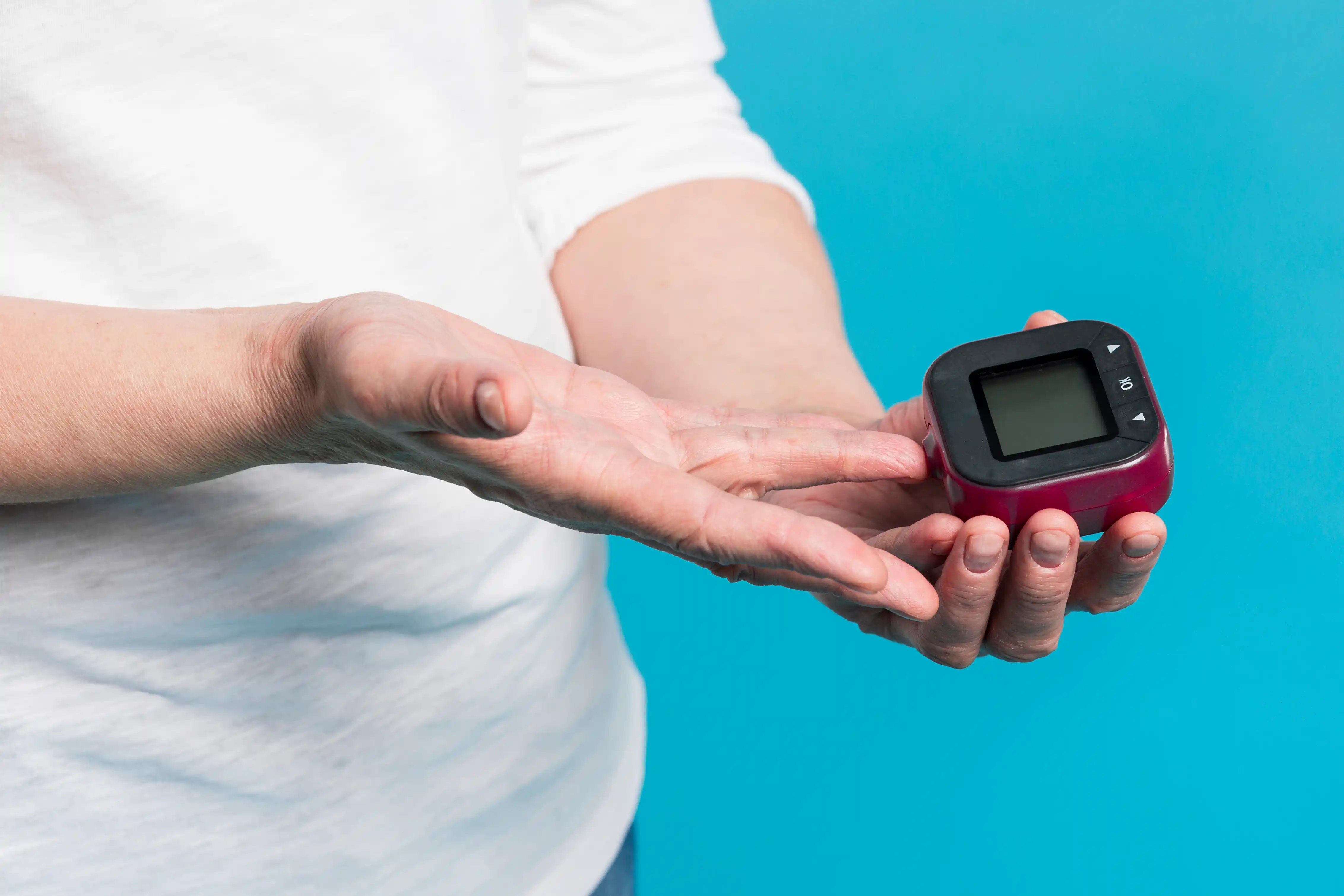
Managing diabetes can feel overwhelming, but with modern tools and consistent monitoring, it becomes much simpler. One essential tool for managing this condition is the glucometer, a device that empowers individuals to measure their blood sugar levels at home. It’s a practical, cost-effective way to stay on top of your health, make better lifestyle decisions, and avoid complications.
In this blog, we’ll explore the importance of home diabetes checks, how glucometers work, their advantages, and tips for effective use. By understanding the role of a glucometer in diabetes management, you can take better control of your health and lead a more confident, balanced life.
Why Monitoring Diabetes at Home is Crucial
Diabetes is a condition that requires constant vigilance. The body’s inability to regulate blood sugar levels can lead to serious complications if left unchecked, such as cardiovascular disease, kidney damage, or vision problems. Regular blood sugar monitoring is the first step toward preventing these risks and maintaining long-term health.
Key Benefits of Home Monitoring
- Real-Time Feedback
When you test your blood sugar at home, you get immediate results. This allows you to make quick decisions, such as adjusting your diet or medication. - Early Detection of Abnormalities
Spikes or dips in blood sugar levels can lead to complications. Regular monitoring helps identify these abnormalities before they become emergencies. - Improved Diabetes Management
Monitoring blood sugar levels allows you to evaluate the effectiveness of your treatment plan, including diet, medication, and exercise routines. - Cost Savings
Frequent lab tests for blood sugar can be expensive and time-consuming. A glucometer enables you to check your levels at home, saving money and time.
How Glucometers Work
A glucometer is a compact, easy-to-use device that measures glucose levels in your blood. It provides quick results, often within 5–30 seconds, making it a go-to tool for people managing diabetes.
How to Use a Glucometer
- Prepare Your Supplies
Ensure your glucometer, test strips, and lancet device are ready. - Clean Your Hands
Wash your hands thoroughly with soap and water to prevent any contamination. - Prick Your Finger
Using the lancet device, prick the side of your fingertip to draw a small drop of blood. - Apply the Blood
Place the blood drop on the test strip and insert it into the glucometer. - Read the Result
Wait for the glucometer to display your blood sugar level. - Record and Analyze
Write down your result, noting the time of day, food intake, and activity levels. This helps you and your doctor track patterns over time.
How Glucometers Help in Diabetes Management
1. Track Trends
Regular monitoring with a glucometer allows you to track blood sugar trends throughout the day. For instance, you can compare fasting glucose levels with post-meal readings to identify problem areas.
2. Immediate Adjustments
A glucometer empowers you to make real-time adjustments to your routine. If your sugar levels are high, you might need more exercise or a change in meal composition. If they are low, consuming a quick source of glucose can prevent hypoglycemia.
3. Reducing the Risk of Complications
By maintaining steady blood sugar levels, you reduce the chances of developing complications such as:
- Cardiovascular issues: High sugar levels can strain the heart and arteries.
- Kidney problems: Monitoring helps avoid chronic kidney disease caused by uncontrolled diabetes.
- Neuropathy: Proper sugar management reduces the risk of nerve damage.
Advantages of Using a Glucometer
- Convenience
You don’t need to visit a lab or doctor’s office frequently. A glucometer gives you the freedom to test anytime, anywhere. - Accuracy and Speed
Modern glucometers deliver highly accurate results in seconds. This quick feedback is invaluable for managing your daily routine. - Cost-Effectiveness
While glucometers require an initial investment, they save money over time by reducing the need for frequent lab tests. - Increased Awareness
Frequent testing builds awareness of how your blood sugar responds to different factors such as meals, exercise, or medications. - Empowerment
Having control over your blood sugar data puts you in charge of your health. You can communicate better with your healthcare provider and make informed choices about your treatment plan.
When and How Often to Check Blood Sugar
The frequency of testing depends on the type of diabetes and your specific management plan. Common times to check include:
- Fasting Blood Sugar: Early morning before meals.
- Post-Meal Readings: Two hours after eating.
- Pre-Exercise: To ensure levels are within a safe range.
- Before Bedtime: To avoid nighttime hypoglycemia.
For people on insulin therapy, more frequent testing may be required, while those managing diabetes through diet and oral medication might need fewer checks.
Tips for Getting Accurate Readings
- Use Fresh Test Strips
Expired strips can give inaccurate readings. Always check the expiry date. - Keep Your Glucometer Clean
Regularly clean your glucometer to avoid contamination that can affect results. - Prick the Side of Your Finger
The sides are less painful than the pads. Rotate fingers to avoid soreness. - Maintain Consistency
Check your blood sugar at the same times daily for comparable readings. - Follow Manufacturer Instructions
Each glucometer is different, so ensure you’re using it correctly for accurate results.
Choosing the Right Glucometer
When selecting a glucometer, look for features that meet your needs. Consider:
- Ease of Use: Choose a device with simple instructions and a clear display.
- Accuracy: Research user reviews and ratings.
- Portability: Compact models are easier to carry.
- Data Storage: Some glucometers save past readings, helping you track trends without a notebook.
The Dr. Morepen Gluco One Strips BG03 - 25 Tests is an excellent choice, offering reliable readings to support your diabetes management efforts.
Conclusion
A glucometer is more than just a device—it’s a vital partner in your diabetes management journey. By enabling regular blood sugar checks at home, it empowers you to take charge of your health, prevent complications, and live a better quality of life. For a convenient and trusted option, consider the Dr. Morepen Gluco One Strips BG03 - 25 Tests, which offers accurate results to help you stay in control.
FAQ
1. How often should I use a glucometer?
The frequency depends on your doctor’s advice. Most people check before meals, after meals, and before bedtime.
2. Can a glucometer replace lab tests?
No, a glucometer complements lab tests but cannot replace them entirely. Lab tests provide additional insights, such as HbA1c levels.
3. Are glucometer readings always accurate?
Yes, if used correctly. Ensure you follow the manufacturer’s instructions and use fresh test strips.
4. What should I do if my readings are too high or low?
Follow your doctor’s instructions. For high readings, adjust your diet or medication. For low readings, consume a quick source of glucose.
5. Can glucometers be used for children with diabetes?
Yes, glucometers are safe for children. Ensure proper supervision and consult your child’s doctor for guidance.
Regular monitoring is the cornerstone of effective diabetes management. With a glucometer, you can take control of your health and make informed decisions to maintain stable blood sugar levels. Start your journey to better health today!




 0
0