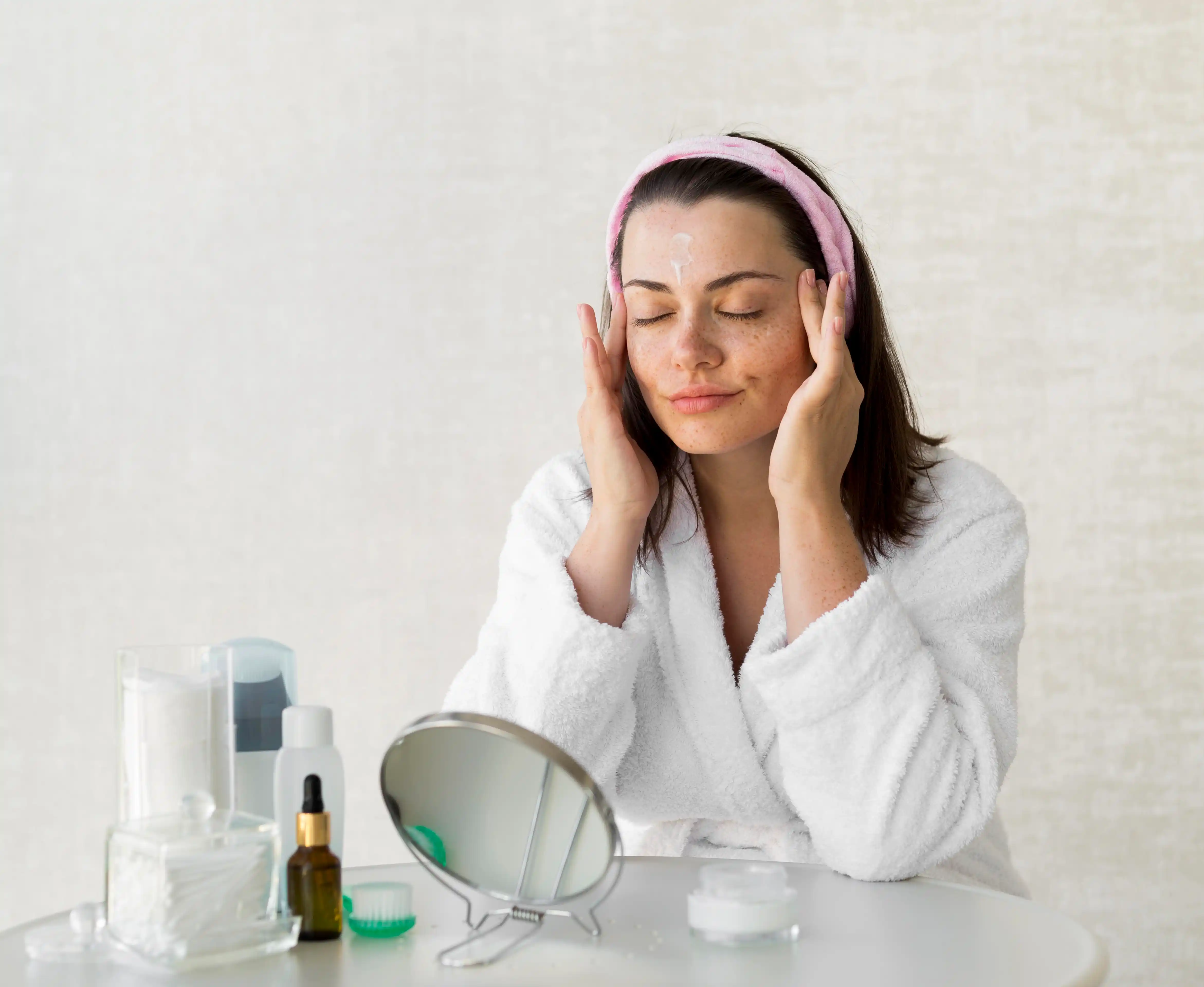
In the quest for clear and healthy skin, hyaluronic acid has become a popular skincare ingredient, known for its ability to hydrate and plump the skin. However, if you struggle with acne, you might wonder whether hyaluronic acid is suitable for your skin type. After all, managing acne often requires careful selection of skincare products that won’t clog pores or trigger breakouts.
In this blog, we’ll dive into the science behind hyaluronic acid and explore whether it’s good for acne-prone skin, how it works, and how you can incorporate it into your skincare routine without aggravating acne.
What is Hyaluronic Acid?
Hyaluronic acid (HA) is a naturally occurring substance found in our skin, eyes, and connective tissues. It’s a humectant, meaning it helps the skin retain moisture by attracting water molecules. In skincare, hyaluronic acid is widely used to hydrate and smooth the skin, making it a key ingredient in serums, moisturizers, and masks.
One of the unique properties of hyaluronic acid is its ability to hold up to 1,000 times its weight in water, which helps keep the skin hydrated and plump. This hydration is particularly beneficial for reducing the appearance of fine lines and wrinkles. But what about its effects on acne?
The Relationship Between Hyaluronic Acid and Acne
Acne is a multifactorial skin condition, often caused by excess oil production, clogged pores, inflammation, and bacterial overgrowth. People with acne-prone skin are often cautious about using hydrating products, fearing they might contribute to more breakouts. However, hyaluronic acid is different from typical moisturizers because it’s non-comedogenic, meaning it won’t clog pores.
Key Ways Hyaluronic Acid Benefits Acne-Prone Skin:
- Hydration Without Clogging Pores Many acne sufferers have combination or oily skin and shy away from moisturizers. However, avoiding hydration can lead to dehydration, causing the skin to produce even more oil. Hyaluronic acid provides a lightweight, non-greasy hydration option that won’t exacerbate breakouts or clog pores.
- Soothing Inflammation Acne is often accompanied by redness and inflammation. Hyaluronic acid has soothing properties that can help calm irritated skin, making it a good choice for those dealing with inflamed or irritated acne.
- Improving Skin Barrier Function Acne treatments, particularly those that include salicylic acid, benzoyl peroxide, or retinoids, can strip the skin’s natural moisture barrier, leading to dryness and irritation. Hyaluronic acid helps to restore the skin’s barrier, keeping it hydrated and more resilient to acne treatments.
- Speeding Up Healing Breakouts can cause micro-damage to the skin, leaving behind dark spots, scars, or post-inflammatory hyperpigmentation (PIH). Hyaluronic acid helps to promote skin healing by keeping the skin moisturized and supporting its natural repair process. While it doesn’t directly treat acne scars, its hydrating and healing properties can support skin recovery.
How to Use Hyaluronic Acid for Acne-Prone Skin
To get the most out of hyaluronic acid without irritating your skin, it’s essential to use it correctly in your skincare routine. Here’s how to do it:
1. Choose the Right Formula
When looking for a hyaluronic acid product, opt for a lightweight serum or gel formula that’s specifically designed for oily or acne-prone skin. Avoid heavy creams that may contain pore-clogging ingredients.
2. Layer It Correctly
Hyaluronic acid works best when applied on damp skin. After cleansing, leave your skin slightly damp and then apply your hyaluronic acid serum. This allows the humectant to pull moisture into your skin more effectively.
3. Pair It With Acne Treatments
If you’re using acne treatments like benzoyl peroxide or retinoids, apply your hyaluronic acid after these treatments to lock in hydration and reduce dryness. Hyaluronic acid can help counteract the drying effects of acne-fighting ingredients, making your skin more comfortable and less irritated.
4. Use it Twice a Day
For the best results, use hyaluronic acid both morning and night. In the morning, it can hydrate and plump the skin for the day ahead, and at night, it helps with skin repair and recovery.
Can Hyaluronic Acid Cause Acne?
Although hyaluronic acid is generally safe for all skin types, including acne-prone skin, some people may experience breakouts when they use new skincare products. However, it’s essential to note that hyaluronic acid itself doesn’t cause acne. Breakouts are more likely due to other ingredients in the formulation or improper layering of products.
To avoid breakouts, ensure that you:
- Check the ingredient list: Look for a product that’s free from fragrances, alcohol, or other harsh ingredients that may irritate sensitive or acne-prone skin.
- Patch test: Apply a small amount of the product on a discreet area of your face, such as behind your ear or on your neck, and observe for any signs of irritation or breakout after 24-48 hours.
- Avoid over-moisturizing: While hyaluronic acid hydrates the skin, using it in combination with heavy moisturizers or oils could potentially clog pores, especially in acne-prone skin.
Combining Hyaluronic Acid with Other Acne-Fighting Ingredients
Hyaluronic acid pairs well with many acne-fighting ingredients. Here are a few ways to incorporate it into your skincare routine along with other treatments:
1. Salicylic Acid
Salicylic acid is a well-known acne-fighting ingredient that helps unclog pores and reduce inflammation. However, it can also dry out the skin. Pairing salicylic acid with hyaluronic acid can help balance hydration while treating acne.
2. Benzoyl Peroxide
Benzoyl peroxide effectively kills acne-causing bacteria but can cause significant dryness and irritation. Using hyaluronic acid after benzoyl peroxide application can help reduce these side effects by keeping the skin hydrated and soothed.
3. Retinoids
Retinoids (such as tretinoin or adapalene) are another common treatment for acne but can be quite harsh, especially when first introduced into a routine. Applying hyaluronic acid helps to counteract the dryness and peeling often associated with retinoid use.
Can Hyaluronic Acid Treat Acne Scars?
While hyaluronic acid is not a direct treatment for acne scars, it can play a role in the overall healing process. By hydrating the skin and improving its elasticity, hyaluronic acid may help the skin recover faster, allowing acne scars to fade more quickly. It also keeps the skin plump and smooth, which can minimize the appearance of shallow scars.
For more pronounced acne scars, hyaluronic acid alone won’t be enough. Treatments such as microneedling, chemical peels, or laser therapy may be needed in combination with hydrating and healing skincare ingredients like hyaluronic acid.
Final Thoughts: Is Hyaluronic Acid Good for Acne?
The short answer is: Yes! Hyaluronic acid is an excellent addition to an acne skincare routine. It offers hydration without clogging pores, soothes inflammation, and helps protect the skin barrier — all essential factors for managing acne.
While hyaluronic acid doesn’t directly fight acne-causing bacteria or prevent breakouts, its ability to hydrate and heal the skin makes it a powerful tool for those undergoing acne treatments that can dry out or irritate the skin.
To make the most of hyaluronic acid, be sure to choose the right formulation, layer it correctly, and pair it with other acne treatments to keep your skin balanced, hydrated, and healthy.
For more skincare advice, products, and expert recommendations, visit Dawaadost, your trusted partner for all things health and wellness.




 0
0