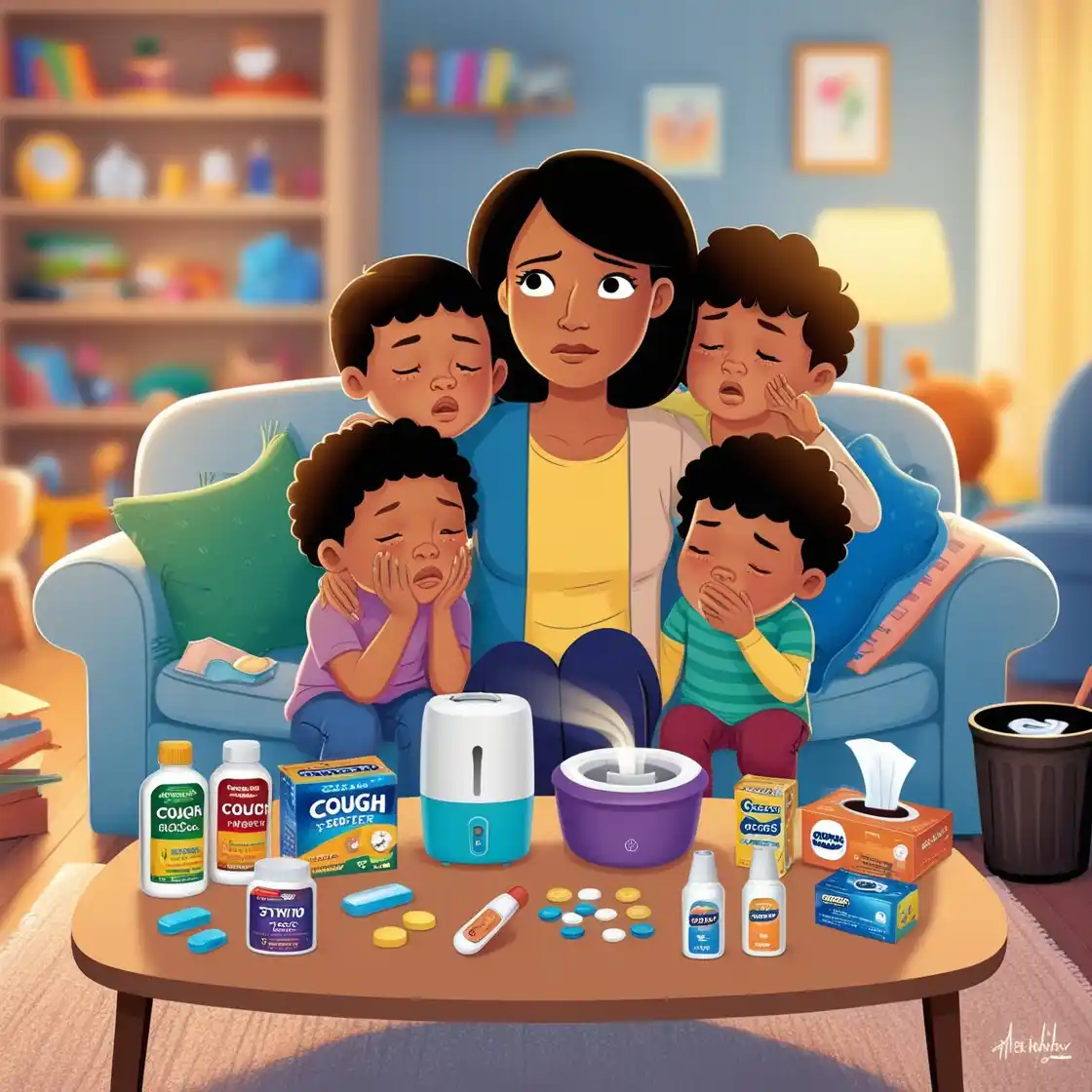
When your child develops a cough or cold, it's natural for parents to seek relief quickly. Coughs and colds are among the most prevalent ailments affecting children, often leading to discomfort and irritability for both the child and the caregiver. In such cases, many parents turn to over-the-counter (OTC) cough and cold medicines. However, it's crucial to understand their safety, efficacy, and the appropriate circumstances for their use. This blog post will provide insights into cough and cold medicines for kids, focusing on safety considerations, effective alternatives, and general guidelines for parents.
Understanding Cough and Cold Medicines
Cough and cold medicines for kids can be categorized into several types, each designed to address specific symptoms. Here’s a breakdown:
1. Antihistamines
These medications are primarily used to reduce symptoms such as sneezing, runny noses, and itchy eyes by blocking the action of histamines. They are often used in cases where allergies exacerbate cold symptoms.
2. Decongestants
Decongestants work by shrinking swollen blood vessels in the nasal passages, helping to relieve nasal congestion. They can make breathing easier when your child has a stuffy nose.
3. Cough Suppressants
Also known as antitussives, these medicines help reduce the cough reflex, providing relief from persistent or irritating coughs. They can be particularly useful when a cough disrupts sleep.
4. Expectorants
Expectorants help loosen mucus in the airways, making it easier for your child to cough up phlegm and clear their respiratory tract. This is especially beneficial for productive coughs.
5. Combination Medications
Many cough and cold medicines combine two or more of these ingredients to address multiple symptoms simultaneously. These can be convenient but require careful attention to dosing.
Are Cough and Cold Medicines Safe for Kids?
One of the most pressing concerns for parents is the safety of administering cough and cold medicines to children. The FDA advises against the use of many OTC cough and cold medicines in children under four years of age. Research has shown that these medications may not be effective for young children and can pose risks, such as serious side effects or overdose.
Key Considerations for Parents
To ensure the safety and effectiveness of cough and cold medicines, parents should keep the following considerations in mind:
1. Age Appropriateness
Always read the age recommendations on the medication packaging. Many cough and cold medicines specify a minimum age for safe use. If you're unsure, consult your child's pediatrician for guidance tailored to your child's age and health status.
2. Understanding Ingredients
Familiarize yourself with the active ingredients in any cough and cold medicine you consider. Some ingredients may not be suitable if your child has allergies or existing health conditions. For example, certain antihistamines can cause drowsiness, while others may lead to hyperactivity.
3. Dosage Matters
Accurate dosing is crucial when giving any medicine to your child. Always adhere to the recommended dosage on the packaging. Use the measuring device provided with the medication to ensure accuracy. Avoid using household spoons, as they can vary in size, leading to incorrect dosing.
4. Watch for Side Effects
Monitor your child for any side effects after administering a cough and cold medicine. Common side effects can include drowsiness, dizziness, stomach upset, or allergic reactions. If your child experiences any concerning symptoms, contact a healthcare professional immediately.
5. Consult Healthcare Providers
If you have questions about cough and cold medicines for kids, consult your child’s doctor or pharmacist. They can offer personalized advice and help you determine the best options based on your child’s health needs.
Alternatives to Cough and Cold Medicines
Given the potential risks associated with cough and cold medicines for kids, many parents are seeking safer alternatives. Here are some effective methods for managing cold symptoms without relying on medication:
1. Hydration is Key
Encouraging your child to drink plenty of fluids can help thin mucus, making it easier to clear from their airways. Water, herbal teas, and clear broths are excellent options. Avoid sugary drinks, as they can lead to dehydration.
2. Humidifiers
Using a cool-mist humidifier in your child's room can help alleviate congestion and coughing. Moist air keeps nasal passages hydrated, making it easier for your child to breathe. Be sure to clean the humidifier regularly to prevent mold and bacteria buildup.
3. Saline Nasal Drops
Saline drops are a safe and effective option to relieve nasal congestion and dryness. They can be used frequently and are suitable for infants and young children.
4. Warm Compresses
Applying a warm compress to your child’s face can help relieve sinus pressure and discomfort. Ensure the compress is not too hot and is suitable for your child’s sensitive skin.
5. Elevate the Head During Sleep
Prop your child’s head up with an extra pillow while they sleep. This position can help reduce nighttime coughing and improve airflow during sleep.
6. Honey for Older Children
For children over one year old, honey can be an effective natural remedy for coughs. It has soothing properties and can help coat the throat. Just a teaspoon can work wonders, but remember that honey should not be given to infants due to the risk of botulism.
7. Rest and Comfort
Sometimes, the best medicine is simply allowing your child to rest. Ensure they have a comfortable space to relax, read, or watch their favorite shows, and encourage them to take naps if they need to.
When to Seek Medical Attention
In most cases, coughs and colds are self-limiting and will improve with time and home remedies. However, there are instances when medical attention is necessary. Contact your healthcare provider if your child experiences any of the following:
- High Fever: A fever over 100.4°F (38°C) lasting more than three days may indicate a more serious infection.
- Difficulty Breathing: If your child is struggling to breathe or has shortness of breath, seek immediate medical help.
- Persistent Cough: A cough lasting more than a week could signal an underlying condition that requires medical evaluation.
- Wheezing or Chest Pain: These symptoms can indicate serious respiratory issues that need urgent attention.
- Signs of Dehydration: Symptoms such as dry mouth, decreased urination, or lethargy indicate dehydration and require medical intervention.
Conclusion
Cough and cold medicines for kids can provide quick relief but come with potential risks that every parent should understand. The safety and well-being of your child should always come first. Be cautious when considering OTC medications, especially for younger children, and consult healthcare professionals if you have any doubts.
If you decide to use cough and cold medicine, do so with caution and consider exploring natural remedies that are safe and effective for your child. Staying informed and proactive will help you navigate your child’s healthcare needs more confidently.
For effective relief, consider products like MAXTRA P DS Syrup, which is designed to help with cough and cold symptoms effectively.




 0
0