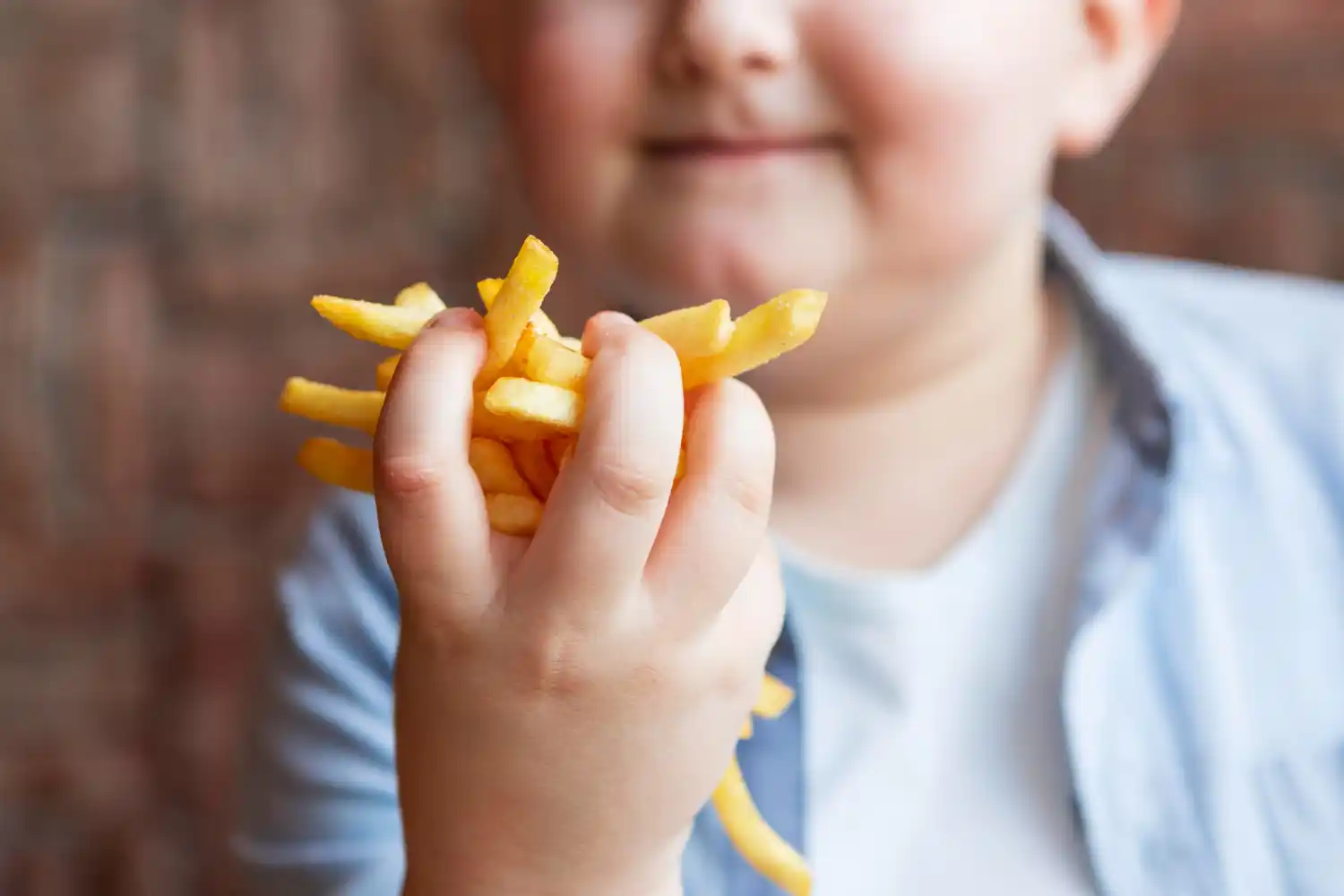
Childhood obesity is a serious health issue affecting children and adolescents worldwide. It's more than just being a little overweight. It is a medical condition where excess body fat can negatively impact a child's health and well-being.
Through this blog post, we would like to educate parents about childhood obesity and what they can do to ensure their child remains in a healthy weight range.
What is Childhood Obesity?
In simple terms, childhood obesity occurs when a child has excess body fat that can lead to health problems. Doctors use a tool called the Body Mass Index (BMI) to measure obesity.
BMI calculates a number based on a child's weight and height, and this number is then compared to growth charts for children of the same age and sex. A child is generally considered obese if their BMI is at or above the 95th percentile for their age and sex.
Symptoms of Childhood Obesity
Beyond just weight gain, childhood obesity can have various noticeable symptoms:
I. Physical Symptoms:
- Increased body fat, particularly around the waist
- Shortness of breath or difficulty breathing during physical activity
- Excessive sweating
- Snoring or sleep apnoea
- Joint pain or difficulty with movement
II. Behavioural and Emotional Symptoms:
- Low self-esteem or body image issues
- Social isolation or withdrawal
- Depression or anxiety
Causes of Childhood Obesity
There's no single cause of childhood obesity. It's a complex problem with several contributing factors:
Unhealthy eating habits:
Eating too many high-calorie foods like fast food, processed snacks, and sugary drinks while not consuming enough fruits, vegetables, and whole grains can lead to weight gain.
Lack of physical activity:
Spending too much time sitting, watching TV, or playing video games instead of being active can contribute to weight gain.
Environmental factors:
Easy access to unhealthy foods and limited opportunities for physical activity in some communities can make it challenging to maintain a healthy weight.
Medical conditions:
Certain medical conditions or medications can sometimes contribute to weight gain.
Genetics:
Children can inherit a tendency to gain weight easily from their parents.
Consequences of Childhood Obesity
Childhood obesity can have significant health consequences, both in the short and long term. Immediate health risks include:
- High blood pressure
- High cholesterol
- Type 2 diabetes
- Breathing problems like sleep apnoea and asthma
- Joint problems
- Fatty liver disease
- Low self-esteem and depression
There are some long-term health risks also involved when a child is obese. Children who are obese are more likely to be obese as adults, which increases their risk of:
- Heart disease
- Stroke
- Certain types of cancer
- Osteoarthritis
Treatment Options
The primary goal of treatment is to achieve and maintain a healthy weight through lifestyle modifications:
1. Lifestyle Interventions
Dietary Changes:
- Focus on a balanced, nutritious diet with plenty of fruits, vegetables, whole grains, and lean protein.
- Limit sugary drinks, processed foods, and fast food.
- Encourage mindful eating and portion control.
- Involve the whole family in meal planning and preparation.
Increased Physical Activity:
- Aim for at least 60 minutes of moderate-to-vigorous physical activity most days of the week.
- Encourage activities your child enjoys, such as swimming, biking, dancing, or team sports.
- Limit sedentary behaviours, like screen time.
Behavioural Counselling:
- Address any emotional or psychological factors contributing to unhealthy eating or inactivity.
- Help children develop healthy coping mechanisms and habits.
- Involve a therapist or counsellor if needed.
Family Involvement:
- Create a supportive and positive home environment that encourages healthy behaviours.
- Make lifestyle changes a family affair.
- Set realistic goals and celebrate successes together.
2. Additional Treatment Options
Weight Management Programs:
- Multidisciplinary programs that provide intensive education and support on nutrition, physical activity, and behaviour change.
- Typically involves the whole family and may include individual or group counselling.
Medications:
- Medications may be considered for adolescents with a BMI at or above the 95th percentile who have not responded to lifestyle changes.
- Used in conjunction with diet and exercise under the supervision of a healthcare professional.
Bariatric Surgery:
- Rarely considered for adolescents with severe obesity (BMI at or above the 99th percentile) and significant health complications.
- Only recommended after comprehensive evaluation and when other treatment options have failed.
Dietary Suggestions for Kids with Childhood Obesity
Making small changes to your child's diet can make a big difference. Here what to include and what not to in their diet:
Fruits and Veggies: Encourage plenty of fruits and vegetables at meals and snacks.
Whole Grains: Opt for whole-grain bread, pasta, and cereals over refined grains.
Lean Protein: Choose lean protein sources like poultry, fish, beans, and lentils.
Healthy Fats: Include healthy fats like those found in avocados, nuts, and seeds.
Limit Sugary Drinks: Replace sugary drinks with water, milk, or unsweetened tea.
Avoid Processed Foods: Limit processed snacks and fast food as they tend to be high in calories, unhealthy fats, and added sugar.
Remember, making gradual and sustainable changes is key. Focus on building healthy habits as a family and celebrating small victories along the way.
Conclusion
Childhood obesity is a growing concern nowadays. As parents and caregivers, we play a vital role in shaping our children's habits and setting them on a path toward lifelong health and well-being.
So, let's prioritize nourishing food choices, encourage active play, and foster positive body image. Create a positive and supportive environment for your child and don't focus on weight loss. Instead, focus on building healthy habits to fight childhood obesity.
Looking for affordable medicines and healthcare products but don't know where to buy them? Check out our Dawaa Dost website where we make quality and affordable medicines accessible to all!
Sources:
https://www.mayoclinic.org/diseases-conditions/childhood-obesity/symptoms-causes/syc-20354827
Image Source: Image by freepik




 0
0