During pregnancy, your body undergoes remarkable transformations to support the growing baby. One critical aspect of a healthy pregnancy is the cervix, the lower part of the uterus that connects to the vagina. Cervical length in pregnancy plays a vital role in maintaining the pregnancy and preventing premature birth.
This article will discuss the importance of cervical length, how it's measured, what's considered normal, and potential issues associated with abnormal lengths.
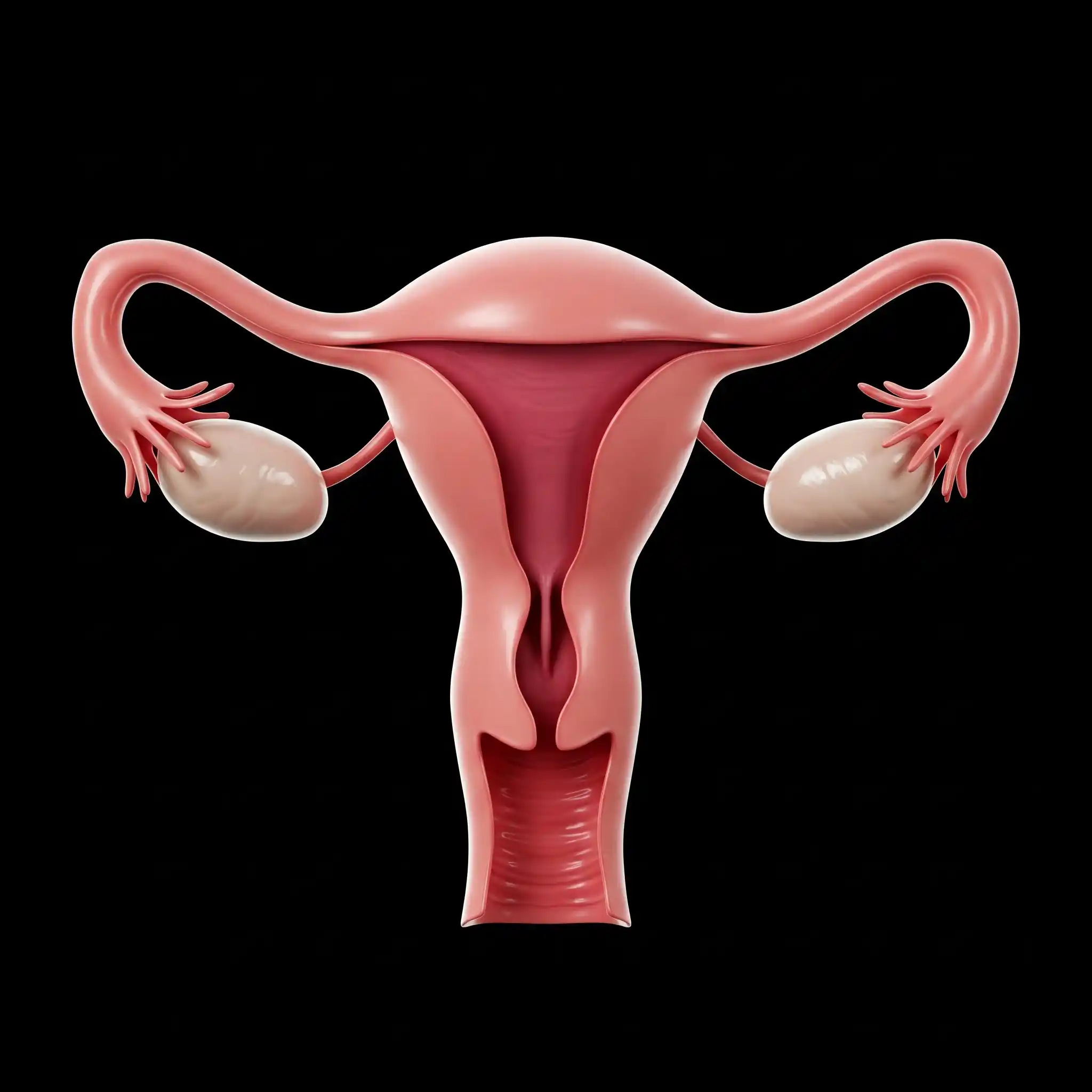
The cervix is a cylinder-shaped structure that acts as the gateway between the uterus, where the baby develops, and the vagina. It's made up of strong, fibrous tissue and plays a crucial role in:
Cervical length refers to the measurement of the cervix from the internal os (the opening of the cervix into the uterus) to the external os (the opening of the cervix into the vagina).
Maintaining an adequate cervical length is vital for a healthy pregnancy. A strong and closed cervix helps to:
Cervical length is typically measured using a transvaginal ultrasound. This involves inserting a small ultrasound probe into the vagina to obtain clear images of the cervix. The sonographer will measure the length of the cervical canal, usually in centimeters.
Normal cervical length in pregnancy can vary depending on the stage of pregnancy and individual factors. Generally, a cervical length of:
However, it's crucial to remember that these are just general guidelines. Your healthcare provider will assess your individual situation and determine what's considered normal for you.
A short cervix, also known as cervical insufficiency, is when the cervix begins to shorten or open prematurely during pregnancy. This can increase the risk of preterm labor and other complications. Potential causes of short cervix include:
Preterm Labor:
A short cervix is a significant risk factor for preterm labor. Premature babies may face various health challenges, including:
Cervical Insufficiency:
Cervical insufficiency, or an incompetent cervix, is a condition where the cervix is unable to stay closed during pregnancy, leading to premature opening and potential pregnancy loss.
In many cases, a short cervix doesn't cause noticeable symptoms. However, some women may experience:
It's crucial to attend regular prenatal appointments where your healthcare provider will monitor your cervical length and assess any potential risks.
Lifestyle Changes and Precautions:
Medical Interventions:
It's essential to discuss any concerns about cervical length with your doctor, especially if you experience:
In the third trimester, as your body prepares for labor, the cervix naturally begins to shorten and soften. This is a normal process and doesn't necessarily indicate preterm labor. However, your doctor will continue to monitor your cervical length and assess any changes to ensure a safe delivery.
Cervical length in pregnancy is a crucial factor in maintaining a healthy pregnancy and preventing preterm birth. Regular prenatal checkups, including transvaginal ultrasounds, help monitor cervical length and identify any potential issues.
If a short cervix is detected, various interventions, including lifestyle modifications and medical procedures, can help manage the condition and reduce the risk of complications.
By working closely with your healthcare provider and following their recommendations, you can increase your chances of a healthy pregnancy and a safe delivery.
1. At what week of pregnancy is cervical length usually measured?
Cervical length is often measured between 16 and 24 weeks of pregnancy, but it can be checked earlier or later depending on your risk factors.
2. Can a short cervix be corrected?
While a short cervix cannot be "corrected," medical interventions like cerclage and progesterone can help manage the condition and prevent preterm labor.
3. What are the signs of preterm labor?
Signs of preterm labor include regular contractions, lower back pain, pelvic pressure, and increased vaginal discharge.
4. Is bed rest always necessary for a short cervix?
Bed rest recommendations vary depending on the severity of the condition. Your doctor will advise you on the best course of action.
5. Can I have a vaginal birth with a cerclage?
In many cases, yes. The cerclage is usually removed before labor begins to allow for a vaginal delivery.
6. What are the long-term effects of a short cervix?
With proper management, most women with a short cervix go on to have healthy pregnancies and deliveries. However, it's essential to discuss any concerns with your doctor.
For more health-related content, visit our Dawaa Dost website. You will also get access to quality medicines and healthcare products, all at affordable prices. Check it out now!
Disclaimer: This article is intended for informational purposes only and should not be considered a substitute for professional medical advice. Always consult a qualified healthcare provider for diagnosis and treatment of any health condition.
Our Services
Knowledge Base
Fetured Categories
© 2026 DawaaDost. All rights reserved. In compliance with Drugs and Cosmetics Act, 1940 and Drugs and Cosmetics Rules, 1945, we don't process requests for Schedule X and other habit forming drugs.