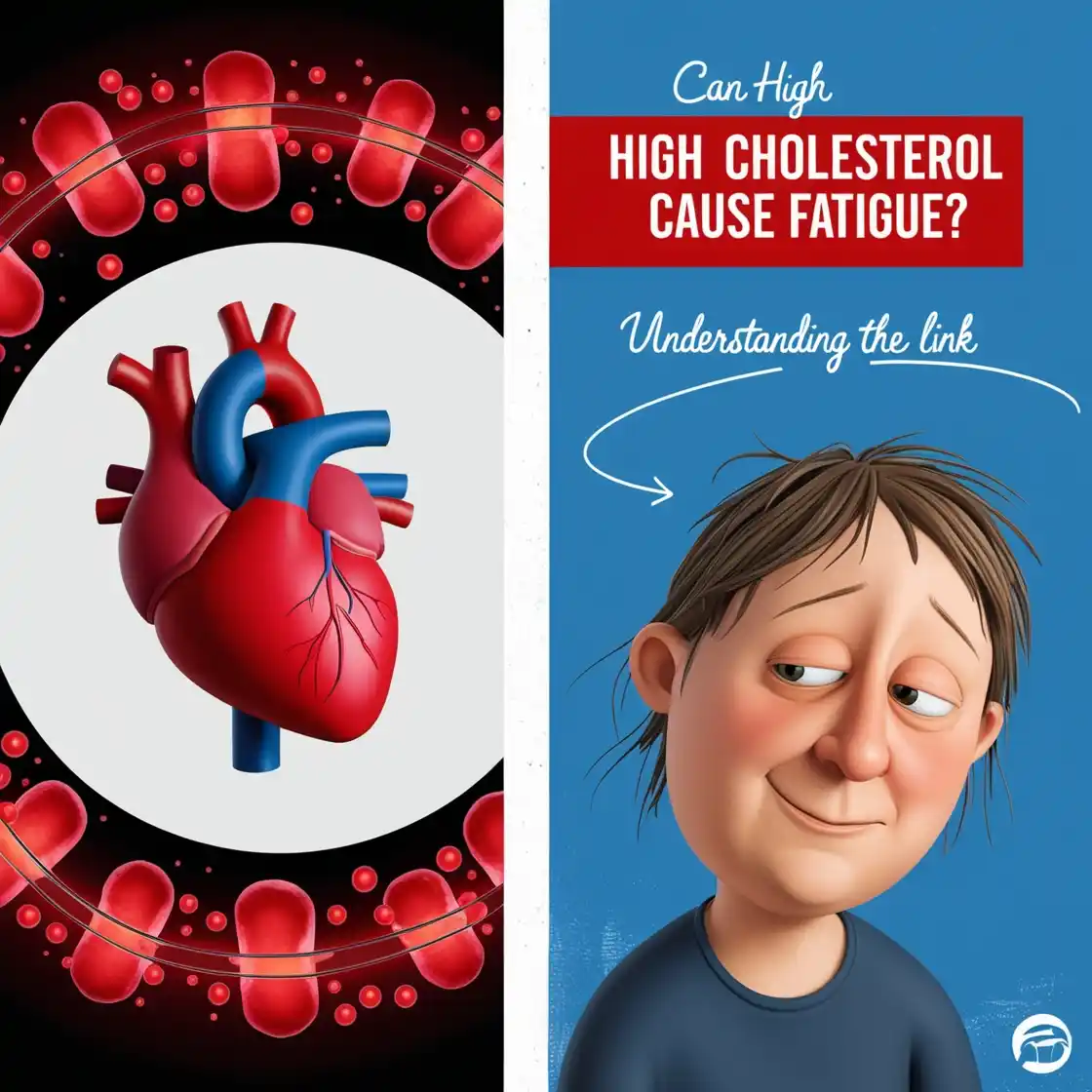
Fatigue is a common complaint for many people, affecting their ability to function daily. While most people attribute tiredness to lack of sleep, stress, or an overwhelming schedule, other factors like underlying health conditions can also contribute to fatigue. High cholesterol is one such condition that can indirectly lead to feelings of tiredness and low energy. But can high cholesterol really cause fatigue, and if so, how?
In this blog post, we will explore the connection between high cholesterol and fatigue, how elevated cholesterol levels affect overall health, and what you can do to manage both.
What Is Cholesterol?
Before we delve into the relationship between high cholesterol and fatigue, it’s essential to understand what cholesterol is. Cholesterol is a fat-like substance that is found in every cell of your body. It's crucial for various bodily functions, such as building cell membranes and producing hormones like estrogen and testosterone.
However, not all cholesterol is created equal. Cholesterol travels through the bloodstream in two main types of lipoproteins:
- Low-Density Lipoprotein (LDL): Often referred to as “bad” cholesterol, LDL can build up in the walls of your arteries, forming plaque and leading to atherosclerosis (narrowing of the arteries).
- High-Density Lipoprotein (HDL): Known as “good” cholesterol, HDL helps remove excess cholesterol from your bloodstream, transporting it to the liver for excretion.
When your LDL levels are too high, it can increase the risk of cardiovascular diseases such as heart attacks and strokes. But how does this tie into fatigue?
How High Cholesterol Affects Your Body
High cholesterol levels can have serious implications for your overall health. Elevated LDL cholesterol can lead to plaque buildup in the arteries, reducing the flow of blood and oxygen to various parts of the body. This condition, called atherosclerosis, is the root cause of many cardiovascular issues.
When the arteries become clogged or narrow due to plaque, the heart has to work harder to pump blood through the body. Over time, this extra effort can lead to decreased energy levels and fatigue. Additionally, reduced blood flow can impair the delivery of oxygen to muscles and tissues, making physical activity more exhausting.
Can High Cholesterol Directly Cause Fatigue?
While high cholesterol doesn’t directly cause fatigue, the consequences of elevated cholesterol levels can lead to physical and mental tiredness. Here’s how:
1. Reduced Blood Flow
As mentioned earlier, high cholesterol can cause a buildup of plaque in the arteries, narrowing them and reducing blood flow. This limited circulation means that muscles and organs are not receiving the oxygen and nutrients they need to function optimally, leading to feelings of weakness and tiredness.
2. Increased Risk of Cardiovascular Disease
High cholesterol is a major risk factor for heart disease and other cardiovascular conditions. Over time, if the heart is strained due to poor circulation, it can lead to more serious issues like angina (chest pain) or even heart failure. In these cases, people often report severe fatigue as one of the primary symptoms.
3. Inflammation
High cholesterol levels can also trigger inflammation in the blood vessels, which can lead to fatigue. When the body is fighting inflammation, energy is diverted from other systems, leaving you feeling tired or sluggish.
4. Impact on Sleep
It’s worth noting that conditions associated with high cholesterol, such as sleep apnea, can also contribute to fatigue. Sleep apnea occurs when the airway becomes blocked during sleep, causing you to wake up multiple times throughout the night, leading to poor-quality rest and daytime drowsiness.
Medications for High Cholesterol and Fatigue
If you have high cholesterol, your doctor may prescribe cholesterol-lowering medications such as statins. While statins are effective at lowering LDL cholesterol and preventing cardiovascular diseases, some people may experience side effects, including muscle pain and fatigue.
In these cases, it’s important to discuss any side effects with your healthcare provider. They may adjust your dosage or switch you to a different medication to reduce fatigue while still managing your cholesterol levels.
Other Causes of Fatigue in People with High Cholesterol
It’s essential to remember that fatigue can have many causes, and while high cholesterol can contribute to feelings of tiredness, it’s not always the sole reason. Other potential contributors include:
- Poor Diet: A diet high in saturated fats, processed foods, and refined sugars can contribute to both high cholesterol and fatigue. These foods can cause energy crashes and leave you feeling sluggish.
- Lack of Exercise: Sedentary lifestyles contribute to fatigue, as regular exercise helps improve circulation and energy levels. Additionally, exercise can raise HDL cholesterol levels, helping to balance out LDL levels.
- Stress and Mental Health: Chronic stress and anxiety can drain your energy and leave you feeling fatigued. Mental health issues often go hand in hand with physical health concerns like high cholesterol.
- Other Medical Conditions: Conditions such as diabetes, thyroid disorders, and anemia can also cause fatigue, and these conditions often coexist with high cholesterol.
If you’re experiencing persistent fatigue, it’s important to speak with a healthcare provider to rule out other potential causes and develop a comprehensive treatment plan.
Managing High Cholesterol and Fatigue
If high cholesterol is contributing to your fatigue, the good news is that it’s a manageable condition. By making lifestyle changes and, if necessary, taking medication, you can improve both your cholesterol levels and your energy. Here are some steps you can take:
1. Adopt a Heart-Healthy Diet
Eating a diet rich in fruits, vegetables, whole grains, and healthy fats can help lower LDL cholesterol and improve your overall energy levels. Focus on foods like:
- Oats: High in fiber, oats help reduce LDL cholesterol.
- Fatty Fish: Rich in omega-3 fatty acids, fish like salmon and mackerel can help boost heart health.
- Nuts: Almonds, walnuts, and other nuts are good sources of healthy fats.
- Leafy Greens: Vegetables like spinach and kale are full of vitamins and antioxidants that support cardiovascular health.
2. Exercise Regularly
Exercise is one of the best ways to raise HDL cholesterol (the “good” kind) and lower LDL cholesterol. Aim for at least 150 minutes of moderate exercise each week. Even simple activities like walking, swimming, or biking can make a significant difference in both your cholesterol levels and energy levels.
3. Stay Hydrated
Dehydration can exacerbate fatigue, so be sure to drink plenty of water throughout the day. Proper hydration supports overall bodily functions, including circulation, which can help you feel more energized.
4. Get Enough Sleep
Sleep is crucial for both mental and physical health. Aim for 7-9 hours of quality sleep each night. If you're struggling with sleep apnea or other sleep disturbances, it’s important to address these issues with your healthcare provider.
5. Manage Stress
Chronic stress can contribute to high cholesterol and fatigue. Practicing stress management techniques like meditation, deep breathing, or yoga can help lower stress levels and improve energy.
When to See a Doctor
If you’re experiencing persistent fatigue and suspect it may be related to high cholesterol, it’s essential to consult with a healthcare provider. Fatigue can be a symptom of more severe cardiovascular conditions, and your doctor can run tests to assess your cholesterol levels, overall heart health, and other potential causes of fatigue.
Your doctor may recommend blood tests to check cholesterol levels and other markers of cardiovascular health. If your cholesterol is high, they can work with you to develop a treatment plan that includes lifestyle changes and, if necessary, medications.
Conclusion
While high cholesterol doesn’t directly cause fatigue, the effects it has on the cardiovascular system can lead to feelings of tiredness and low energy. Reduced blood flow, inflammation, and cardiovascular strain all contribute to physical and mental fatigue.
By managing your cholesterol levels through lifestyle changes and medications, you can improve your energy levels and reduce the risk of developing serious cardiovascular conditions. If fatigue persists, it’s important to consult a healthcare provider to rule out other underlying causes and find a treatment plan that works for you.
For more guidance on managing cholesterol and improving your energy levels, visit Dawaadost, where you can explore a wide range of healthcare services and products.




 0
0