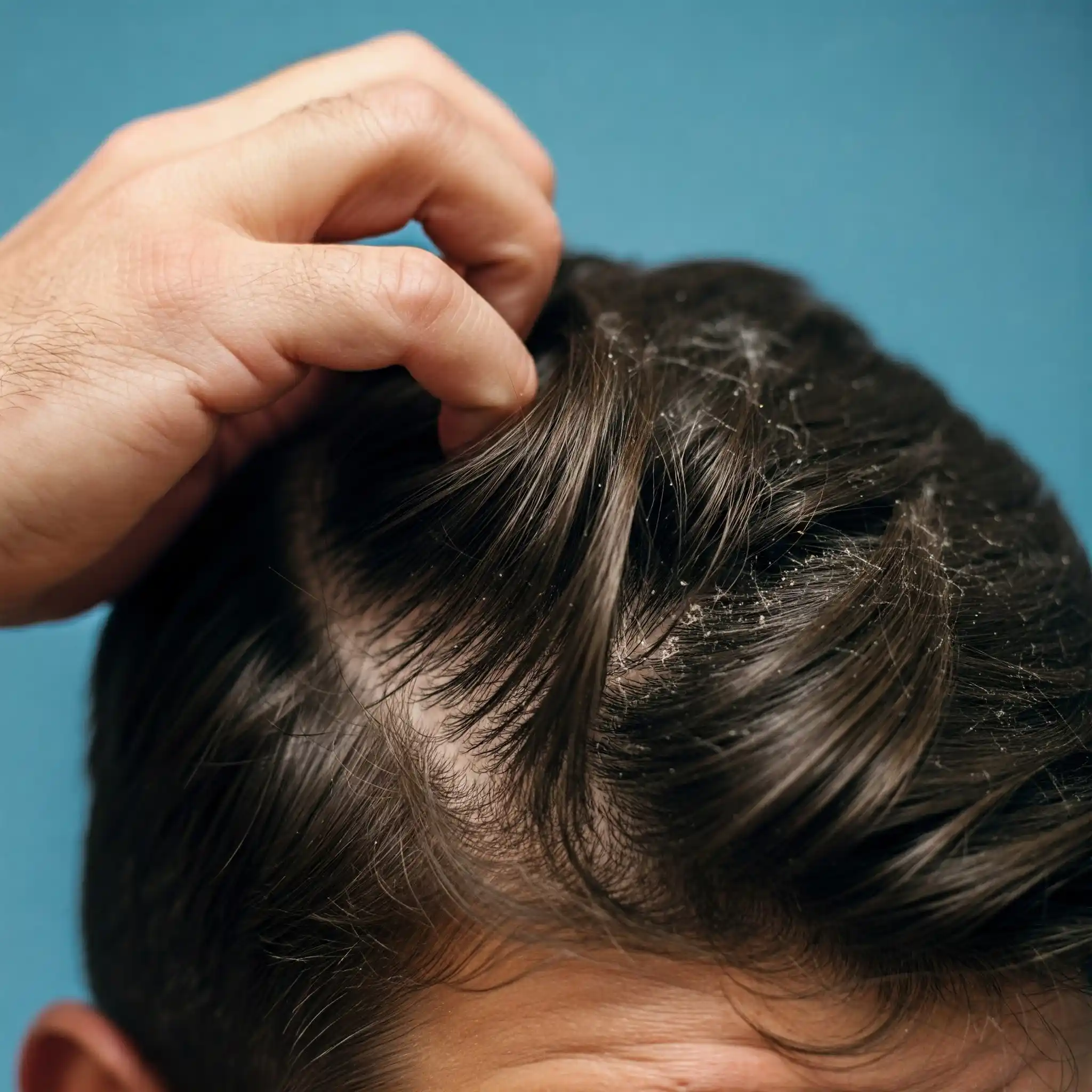
Dandruff, those annoying white flakes that appear on your scalp and clothes, can be a real nuisance. But before you spend a fortune on expensive anti-dandruff shampoos, consider the power of natural remedies. Many effective home remedies for dandruff can provide relief and help you regain a healthy, flake-free scalp. In this article, we'll explore some easy solutions using ingredients you probably already have in your kitchen.
Easy Home Remedies for Dandruff Treatment at Home
1. Apple Cider Vinegar
Apple cider vinegar (ACV) has long been a popular natural dandruff remedy. Its acidity helps balance the pH of your scalp, creating an environment that is less favourable for the growth of Malassezia globosa, a yeast-like fungus that's often associated with dandruff. ACV also has antimicrobial properties that can help reduce inflammation and soothe an irritated flaky scalp.
- How to use:
- Mix equal parts ACV and water in a spray bottle.
- Apply to your scalp and massage gently.
- Leave on for 15-20 minutes, then rinse thoroughly with water.
- Repeat 2-3 times a week.
2. Coconut Oil
Coconut oil is a versatile natural oil with numerous benefits for hair and skin. It's the next best way to get rid of dandruff. This oil is a rich source of lauric acid, a fatty acid with antifungal properties that can help combat the overgrowth of Malassezia. Coconut oil also acts as an excellent moisturizer, hydrating the scalp and reducing dryness, which is a common contributing factor to dandruff.
- How to use:
- Warm up a few tablespoons of coconut oil.
- Apply to your scalp and massage gently, ensuring that the oil reaches the roots of your hair.
- Leave on for at least 30 minutes, or even overnight for a deeper treatment.
- Shampoo and condition as usual, ensuring you thoroughly rinse out the oil.
- Repeat 2-3 times a week.
3. Tea Tree Oil
Tea tree oil is a powerful essential oil derived from the leaves of the tea tree (Melaleuca alternifolia), native to Australia. It has been used for centuries for its antiseptic and antifungal properties. Tea tree oil can help soothe the scalp, reduce inflammation, and combat dandruff-causing microbes.
- How to use:
- Add a few drops of tea tree oil to your regular shampoo.
- Massage into your scalp and leave on for 5-10 minutes.
- Rinse thoroughly.
- Repeat 1-2 times a week.
- Note: Tea tree oil can be irritating to some people, so it's advisable to do a patch test before applying it to your entire scalp. Dilute it with a carrier oil like coconut oil if you have sensitive skin.
4. Baking Soda
Baking soda is a common household ingredient with surprising benefits for hair care. It can be used for natural dandruff treatment as it is a gentle exfoliant, helping to remove dead skin cells and reduce flakiness. It can also help soothe the scalp, absorb excess oil, and reduce itchiness.
- How to use:
- Wet your hair and apply a handful of baking soda to your scalp.
- Massage gently for a few minutes, focusing on areas with visible flakes.
- Rinse thoroughly with water.
- Repeat once or twice a week.
- Note: Baking soda can be drying, so follow up with a moisturizing conditioner.
5. Aloe Vera
Aloe vera is a succulent plant known for its soothing and healing properties. It contains enzymes, antioxidants, and anti-inflammatory compounds that can help calm an irritated scalp, reduce itching, and promote healing. Aloe vera also has moisturizing properties that can help combat dryness.
- How to use:
- Apply fresh aloe vera gel directly to your scalp.
- Leave on for 30 minutes, then rinse with water.
- Repeat 2-3 times a week.
6. Lemon Juice
Lemon juice is a natural astringent that can help control oil production on the scalp, which can contribute to dandruff. It also has antifungal properties and can help balance the pH of the scalp.
- How to use:
- Apply fresh lemon juice to your scalp and massage gently.
- Leave on for 10-15 minutes, then rinse with water.
- Repeat 1-2 times a week.
- Note: Lemon juice can lighten hair color, so be cautious if you have dark hair.
7. Olive Oil
Olive oil is a rich source of antioxidants and healthy fats that can nourish the scalp and hair. It can help moisturize the scalp, reduce dryness, and soften flakes, making them easier to remove.
- How to use:
- Warm up a few tablespoons of olive oil.
- Apply to your scalp and massage gently.
- Leave on for at least 30 minutes, or overnight for a deeper treatment.
- Shampoo and condition as usual.
- Repeat 2-3 times a week.
8. Fenugreek Seeds
Fenugreek seeds have antifungal and anti-inflammatory properties that can help combat dandruff. They also contain compounds that can nourish the scalp and promote hair growth.
- How to use:
- Soak a handful of fenugreek seeds in water overnight.
- Grind the soaked seeds into a paste.
- Apply the paste to your scalp and leave on for 30 minutes.
- Rinse thoroughly with water.
- Repeat 2-3 times a week.
9. Neem Leaves
Neem leaves have been used in traditional medicine for their antifungal, antibacterial, and anti-inflammatory properties. They can help soothe the scalp, reduce itching, and combat dandruff-causing microbes.
- How to use:
- Make a dandruff solution at home by boiling a handful of neem leaves in water.
- Let the water cool and strain it.
- Use the neem water as a final rinse after shampooing.
- Repeat 2-3 times a week.
Quick Tips for Best Results
Consistency is Key
To see significant improvement in your dandruff, it's crucial to be consistent with your chosen remedy. Use it regularly as recommended, and don't give up if you don't see results immediately. Even if you use the best remedy for dandruff, it may take a few weeks of consistent application to notice a difference.
Be Gentle
When applying remedies and washing your hair, be gentle with your scalp. Avoid harsh scrubbing or scratching, as this can irritate the scalp and worsen dandruff. Use your fingertips to massage the remedies gently into your scalp.
Identify Your Triggers
Pay attention to any factors that might trigger or worsen your dandruff. These could include certain hair products, weather changes, stress levels, or dietary habits. Identifying your triggers can help you avoid them and manage your dandruff more effectively.
Healthy Diet and Hydration
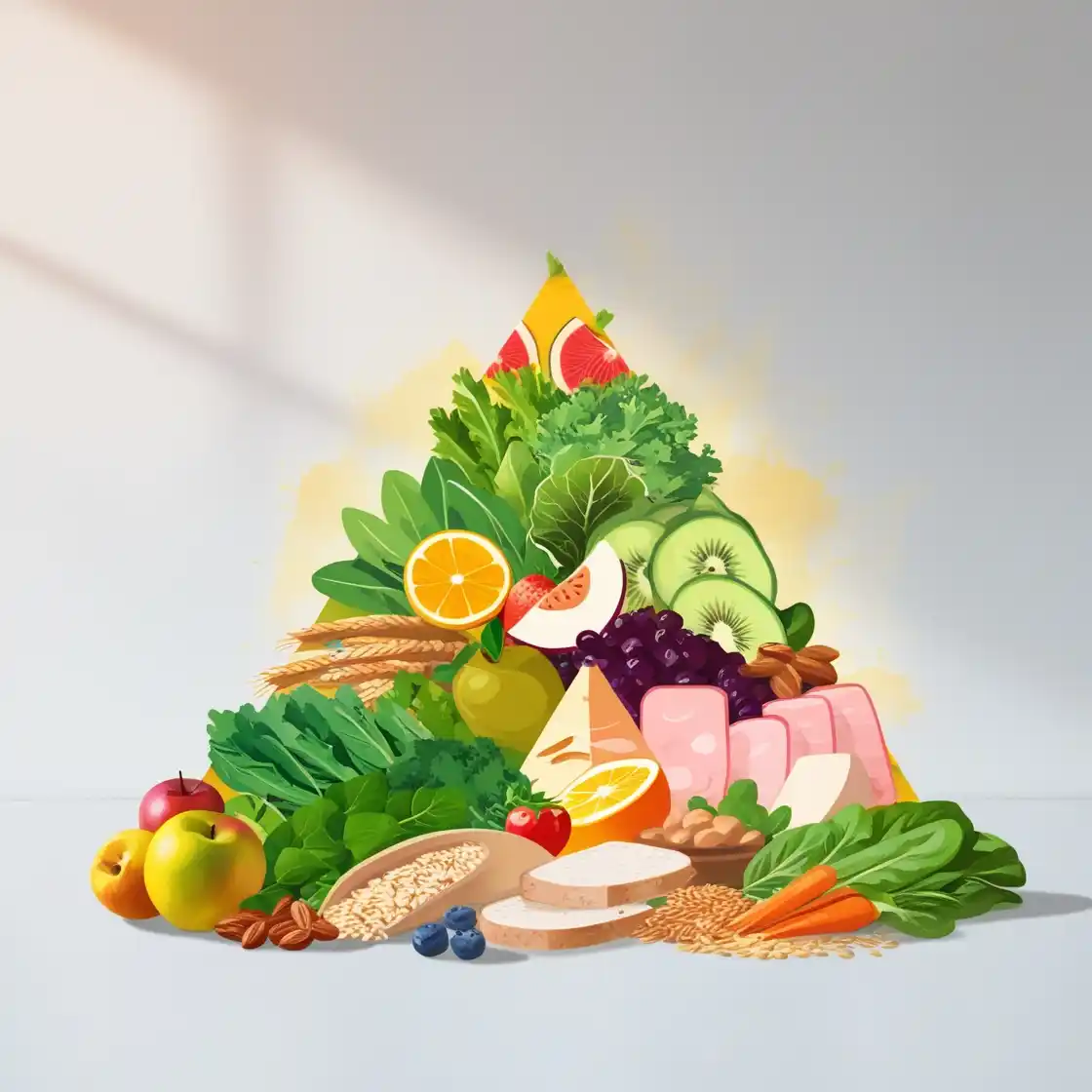
A balanced diet plays a crucial role in overall health, including scalp health. Ensure you're getting enough vitamins and minerals, especially zinc, B vitamins, and omega-3 fatty acids, which are essential for healthy skin and hair.
Foods like nuts, seeds, fish, and leafy greens are good sources of these nutrients. If you think you aren’t getting enough nutrients through diet, you may ask your doctor about the best multivitamin tablets in India.
Also, remember to stay hydrated by drinking plenty of water throughout the day. Dehydration can contribute to dry skin, including a dry scalp.
Hair Care Routine
Your hair care routine can also impact dandruff. Choose shampoos and conditioners that are gentle and free of harsh chemicals that can irritate the scalp. Avoid over-washing your hair, as this can strip away natural oils and lead to dryness.
If you use styling products, choose those that are water-based and avoid applying them directly to the scalp.
Stress Management
Stress can trigger or worsen dandruff in some people. The mind-body connection is strong, and stress can manifest in physical ways, including skin conditions like dandruff.
Managing different types of stress through relaxation techniques like deep breathing, meditation, yoga, exercise, and other stress relief activities can help improve scalp health and reduce stress-related dandruff.
Conclusion
Dandruff can be a persistent problem, but with the right approach, you can manage it effectively. These home remedies for dandruff offer natural and affordable solutions to soothe your scalp, fight dryness, and restore your hair's health.
Remember to be patient and consistent with your chosen remedy, and don't hesitate to consult a dermatologist if your dandruff is severe or doesn't respond to home treatment.
FAQs
1. What causes dandruff?
Dandruff can be caused by several factors, including:
- Dry skin: A dry scalp is a common cause of dandruff, especially in winter.
- Seborrheic dermatitis: This condition causes red, greasy skin covered with flaky white or yellow scales.
- Malassezia globosa: This yeast-like fungus lives on everyone's scalp, but it can overgrow and cause irritation and flaking in some people.
- Sensitivity to hair products: Certain hair products can irritate the scalp and trigger dandruff.
- Not shampooing enough: Infrequent shampooing can lead to a buildup of oil and dead skin cells, contributing to dandruff.
2. Can I use these home remedies for dandruff every day?
While some remedies like coconut oil can be used more frequently, it's generally best to start with 2-3 times a week and adjust based on your scalp's response. Overuse of some natural dandruff remedies, like apple cider vinegar and lemon juice, can potentially irritate the scalp.
3. Can dandruff be a sign of a more serious medical condition?
In most cases, dandruff is a cosmetic issue. However, if your dandruff is severe, persistent, or accompanied by other symptoms like redness, inflammation, or hair loss, it's advisable to consult a dermatologist to rule out any underlying medical conditions.
4. Are there any foods that can help prevent dandruff?
A balanced diet rich in zinc, B vitamins, and omega-3 fatty acids can support scalp health. Foods like nuts, seeds, fish, and leafy greens are good choices.
5. Can stress worsen dandruff?
Yes, stress can trigger or worsen dandruff in some people. Managing stress through relaxation techniques, exercise, and adequate sleep can help improve scalp health.
6. Is dandruff contagious?
No, dandruff is not contagious. It's a common scalp condition that's not caused by an infection that can be spread from person to person.
7. How do I choose the right anti-dandruff shampoo?
If you prefer to use an anti-dandruff shampoo, look for ones that contain active ingredients like zinc pyrithione, selenium sulfide, ketoconazole, or salicylic acid. Choose a shampoo that suits your hair type and avoid those with harsh chemicals that can irritate the scalp.
Looking for affordable medicines and healthcare products but don't know where to buy them? Check out our Dawaa Dost website where we make quality and affordable medicines accessible to all!
Disclaimer: This article is intended for informational purposes only and should not be considered a substitute for professional medical advice. Always consult a qualified healthcare provider for diagnosis and treatment of any health condition.




 0
0