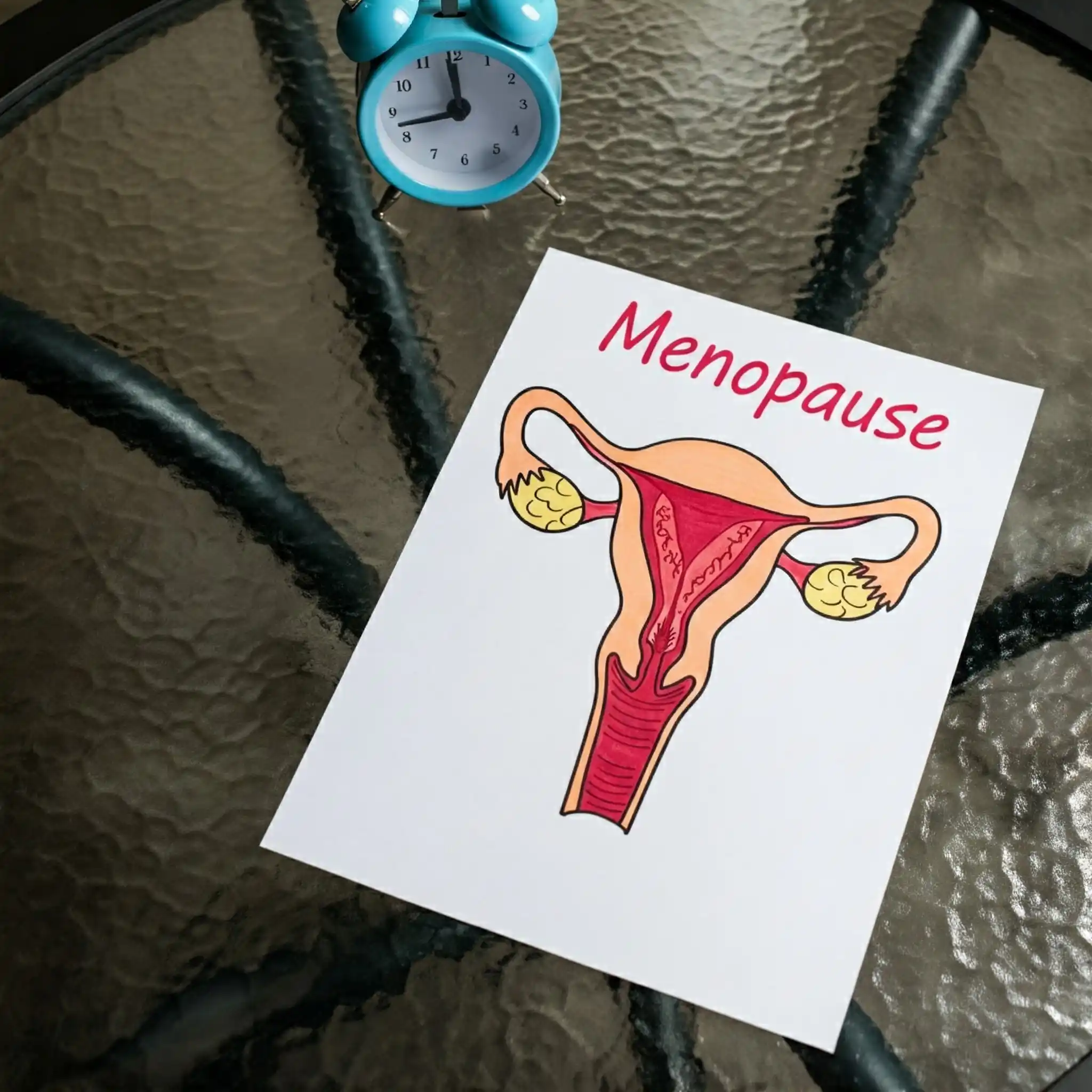
Menopause is a natural biological process marking the end of a woman's reproductive years and the cessation of menstruation. It's a significant transition that brings about numerous physical and emotional changes due to fluctuating and declining hormone levels. While often associated with hot flashes, menopause encompasses a wider range of experiences.
This comprehensive guide covers all details on menopause, including its stages, causes, symptoms, diagnosis, and treatment options to help women navigate this new phase of life.
What is Menopause?
Menopause is officially declared when a woman has gone 12 consecutive months without a menstrual period. This signifies the end of ovulation, the process where the ovaries release eggs. The ovaries also produce the hormones estrogen and progesterone, which play crucial roles in a woman's reproductive cycle and overall health.
During menopause, the production of these hormones significantly declines. This hormonal shift is the primary driver of the various changes women experience during this time.
Stages of Menopause
Menopause isn't a single event but a gradual process with distinct stages:
Perimenopause
This is the transitional phase leading up to menopause. It can last several years (on average 4 years, but can range from a few months to 10 years) and is characterized by fluctuating hormone levels, primarily estrogen.
During this stage, women may begin to experience irregular periods, hot flashes, sleep disturbances, and other menopausal symptoms.
Menopause
As mentioned earlier, menopause is when a woman has gone 12 consecutive months without a menstrual period. After attaining menopause, a woman can never become pregnant. It is because her body does not ovulate anymore and stops releasing eggs from the ovaries.
Postmenopause
This stage begins after a woman has gone through menopause. Hormone levels generally stabilize, but estrogen remains at lower levels than before. Menopausal symptoms may persist for some women, but they often lessen in intensity over time. However, the risk of certain health conditions, such as osteoporosis and cardiovascular disease, increases during postmenopause due to prolonged lower estrogen levels.
Symptoms of Menopause
Menopause symptoms vary significantly from woman to woman and can occur throughout the different stages. Some women may sail through with minimal discomfort, while others may experience more intense and disruptive symptoms. Here are some common symptoms out of the 34 symptoms of menopause:
- Hot flashes: These are sudden sensations of intense heat that spread throughout the body, often accompanied by sweating and flushing. Hot flashes can vary in frequency and severity.
- Night sweats: Hot flashes that occur during sleep, often disrupting sleep and causing excessive sweating.
- Irregular periods: Changes in menstrual cycle length, flow, and duration are common during perimenopause. Periods may become heavier or lighter, more frequent or less frequent, and eventually cease altogether.
- Vaginal dryness: Reduced estrogen levels can cause the vaginal tissues to become thinner and drier, leading to discomfort during intercourse and an increased risk of vaginal infections.
- Sleep disturbances: Difficulty falling asleep, staying asleep, or experiencing restful sleep is common during menopause. This can be due to hormonal changes, night sweats, or other factors like anxiety.
- Mood changes: Fluctuating hormone levels can affect mood, leading to increased irritability, anxiety, mood swings, and in some cases, depression.
- Difficulty concentrating: Many women experience 'brain fog' or difficulty concentrating during menopause. This can be attributed to hormonal changes, sleep disturbances, and stress.
- Decreased libido: Lower estrogen levels can affect sexual desire and arousal, leading to a decreased interest in sex.
- Weight gain: Changes in metabolism and body composition during menopause can make it easier to gain weight, especially around the abdomen.
- Joint pain: Some women experience joint aches and stiffness due to hormonal changes and age-related wear and tear.
- Skin changes: Skin may become thinner, drier, and less elastic due to decreased collagen production.
Causes of Menopause
The primary cause of menopause is the natural decline in the number of functioning ovarian follicles. These follicles are responsible for producing eggs and hormones. This decline typically begins in a woman's 40s and continues until menopause, which typically occurs between the ages of 45 and 55. However, various factors can induce menopause earlier, including:
- Surgical removal of ovaries (Oophorectomy): Surgical removal of the ovaries leads to an immediate cessation of hormone production and induces surgical menopause.
- Chemotherapy or radiation therapy: Cancer treatments can damage the ovaries and lead to premature menopause.
- Primary ovarian insufficiency (POI): This condition, also known as premature ovarian failure, occurs when the ovaries stop functioning normally before the age of 40. The cause of POI is often unknown, but it can be associated with genetic factors, autoimmune diseases, or certain medical treatments.
Diagnosing Menopause
Diagnosing menopause is usually straightforward and based on a woman's age, symptoms, and menstrual history. A physical examination may be performed to assess overall health. Blood tests may be conducted to confirm menopause and rule out other conditions that could be causing similar symptoms. These tests may include:
- Follicle-stimulating hormone (FSH): FSH levels are typically elevated in menopause because the pituitary gland tries to stimulate the ovaries to produce more estrogen.
- Estrogen: Estrogen levels, particularly estradiol, are significantly decreased in menopause.
- Thyroid-stimulating hormone (TSH): Thyroid problems can mimic some menopause symptoms, so a TSH test may be done to rule out thyroid dysfunction.
Menopause Treatment
While menopause is a natural process, various treatment options are available to help manage symptoms and address associated health risks:
Hormone therapy
Hormone replacement therapy is the most effective treatment for hot flashes and vaginal dryness. It involves replacing declining estrogen levels, and sometimes progesterone, to alleviate symptoms. Hormone therapy is available in various forms, including:
- Oral pills: Taken daily by mouth.
- Patches: Applied to the skin and release hormones continuously.
- Vaginal estrogen: Available as creams, rings, or tablets to treat vaginal dryness and urinary symptoms.
Non-hormonal medications
Several non-hormonal medications can help manage specific menopause symptoms:
- SSRIs and SNRIs: These antidepressants can help reduce hot flashes and mood swings.
- Gabapentin and pregabalin: These anti-seizure medications can also be effective in reducing hot flashes.
- Clonidine: This blood pressure medication can help alleviate hot flashes.
- Vaginal moisturizers and lubricants: These can help relieve vaginal dryness and discomfort during intercourse.
- Ospemifene: This medication is a selective estrogen receptor modulator (SERM) that can help treat painful intercourse associated with menopause.
Lifestyle changes
Adopting a healthy lifestyle and practicing menopause self-care can significantly improve overall well-being and reduce menopause symptoms:
- Regular exercise: Aim for at least 150 minutes of moderate-intensity aerobic activity or 75 minutes of vigorous-intensity aerobic activity per week. Strength training exercises are also important for maintaining bone density.
- Balanced diet: Eat a healthy diet rich in fruits, vegetables, whole grains, lean protein, and healthy fats. Limit processed foods, sugary drinks, and unhealthy fats.
- Stress management: Practice stress management techniques such as yoga, meditation, deep breathing exercises, or spending time in nature.
- Quit smoking: Smoking can worsen hot flashes and increase the risk of osteoporosis and cardiovascular disease.
- Limit alcohol consumption: Excessive alcohol intake can disrupt sleep and worsen hot flashes.
- Supplements: Menopause tablets containing supplements can also be used to alleviate menopause symptoms. However, talk to your doctor to know if they are best for you.
Complementary and alternative therapies
Some women find relief from menopause symptoms through complementary and alternative therapies, such as:
- Acupuncture: This traditional Chinese medicine practice involves inserting thin needles into specific points on the body to stimulate energy flow and promote healing.
- Herbal remedies: Certain herbs, such as black cohosh, red clover, and dong quai, have been traditionally used to relieve menopause symptoms. However, it's important to consult with a healthcare provider before using herbal remedies, as they can interact with other medications.
- Mind-body practices: Yoga, meditation, and tai chi can help reduce stress, improve sleep, and promote overall well-being.
Menopause and Long-Term Health
Beyond the immediate symptoms, menopause has long-term implications for women's health. The decline in estrogen can increase the risk of several health conditions:
Osteoporosis
Estrogen plays a crucial role in maintaining bone density. After menopause, the risk of osteoporosis increases significantly, leading to weakened bones and an increased risk of fractures.
Cardiovascular disease
Estrogen provides some protection against heart disease. After menopause, the risk of cardiovascular disease, including heart attack and stroke, rises.
Cognitive decline
While the link between menopause and cognitive decline is still being researched, some studies suggest that the decline in estrogen may affect memory and cognitive function.
It's crucial to prioritize long-term health after menopause. This includes:
1. Weight-bearing exercises, such as walking, jogging, and dancing, help maintain bone density. Aerobic exercise is important for cardiovascular health.
2. A diet rich in calcium, vitamin D, and other essential nutrients is crucial for bone health and overall well-being.
3. Regular checkups with a healthcare provider can help monitor health and detect any potential problems early.
4. Women should discuss bone density screening with their healthcare provider to assess their risk of osteoporosis.
5. For some women, hormone therapy may be recommended to reduce the risk of osteoporosis and cardiovascular disease.
In Conclusion
Menopause is a natural and inevitable transition in a woman's life. While it brings about changes and challenges, understanding the process, proactively managing symptoms, and seeking support can empower women to navigate this stage with confidence.
Menopause is not an illness but a natural phase of life. By prioritizing self-care, adopting a healthy lifestyle, and seeking appropriate medical guidance, women can embrace this transition and continue to lead fulfilling and healthy lives.
FAQs
What is the average age of menopause?
While the average age for menopause is 51 in the United States, studies suggest that women in India tend to reach menopause slightly earlier, with the average age ranging from 44 to 48 years.
How long do menopause symptoms last?
Menopause symptoms vary in duration. Perimenopause, the transitional phase, can last several years. Some women experience symptoms for a few years during and after menopause, while others may have symptoms for a decade or longer.
Are hot flashes a guaranteed symptom of menopause?
While hot flashes are a common symptom, not all women experience them. About 75% of women report having hot flashes during menopause.
Can I get pregnant during perimenopause?
Yes, it's possible to get pregnant during perimenopause, even with irregular periods. Pregnancy is possible until you have gone 12 consecutive months without a period. It's important to use contraception if you are sexually active and don't want to become pregnant.
What can I do to manage menopause symptoms?
There are various ways to manage menopause symptoms. Lifestyle changes like regular exercise, a healthy diet, and stress management can help. Hormone therapy and certain medications can also provide relief. Talk to your doctor about the best options for you.
For more health-related content, visit our Dawaa Dost website. You will also get access to quality medicines and healthcare products, all at affordable prices. Check it now!




 0
0