



 0
0Thrombosis
Topics
Introduction
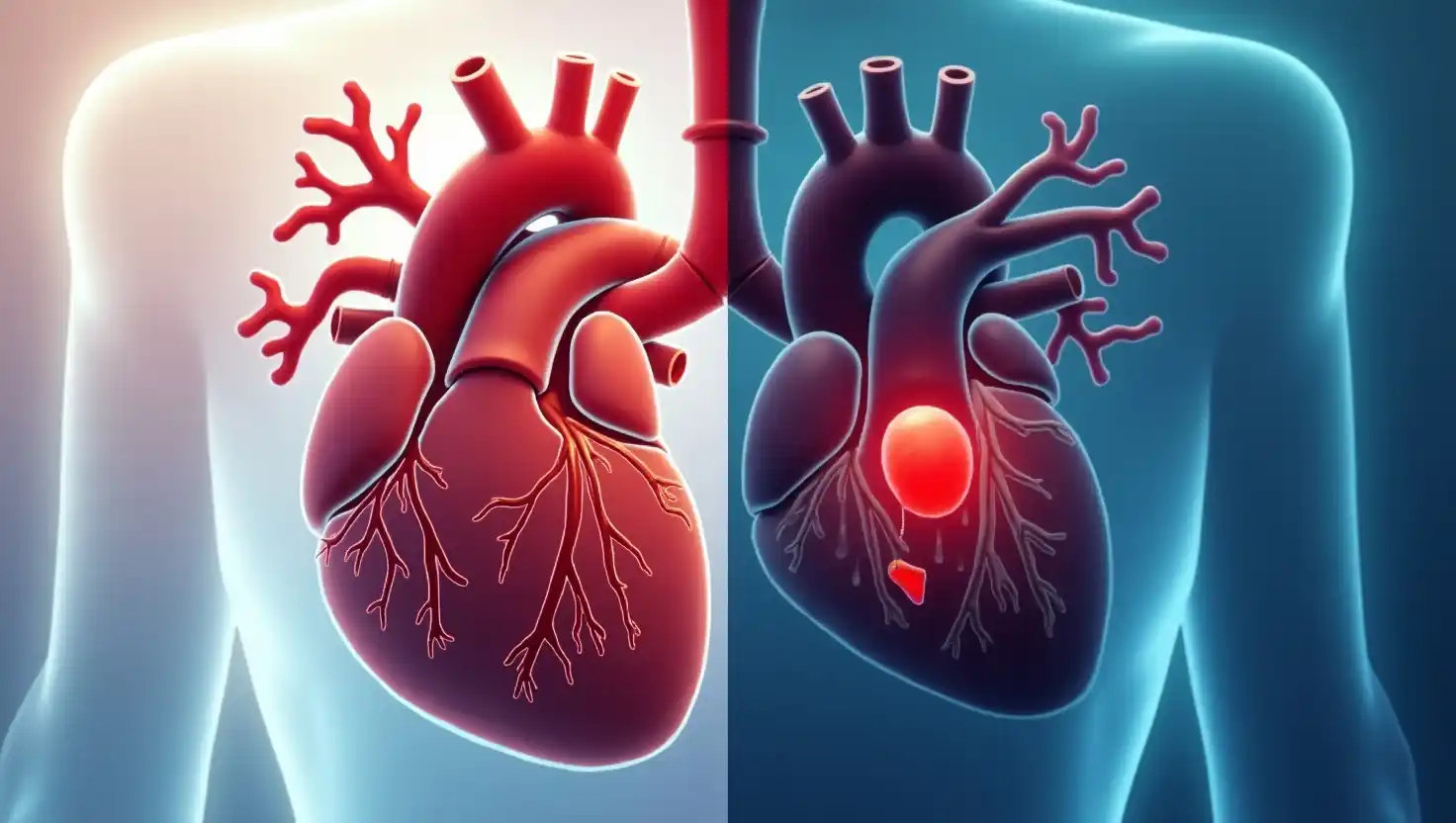
Thrombosis is a serious medical condition that occurs when a blood clot, or thrombus, forms within a blood vessel and obstructs the normal flow of blood through the circulatory system. This blockage can lead to life-threatening complications such as heart attack, stroke, or pulmonary embolism, depending on where the clot forms and travels. Thrombosis can affect both veins and arteries, and its risk factors include prolonged immobility, certain medical conditions, smoking, and genetic predisposition. Early diagnosis and proper treatment are essential to prevent complications and ensure better health outcomes.
What is Thrombosis?
Thrombosis is the medical term for the formation of a blood clot (thrombus) within a blood vessel, which can obstruct the normal flow of blood. These clots can develop in veins (venous thrombosis) or arteries (arterial thrombosis) and may cause severe complications depending on their location and size. Common forms of thrombosis include deep vein thrombosis (DVT), pulmonary embolism (PE), and arterial thrombosis leading to stroke or heart attack. While blood clotting is a natural process to prevent excessive bleeding, thrombosis occurs when clotting becomes excessive or occurs at inappropriate locations.
Thrombosis is a critical condition that demands prompt medical attention, as untreated clots can lead to life-threatening scenarios such as pulmonary embolism or ischemic stroke. Understanding its causes, symptoms, and treatment options can help mitigate risks and ensure timely intervention.
Prevalence
Thrombosis is a prevalent condition, with millions affected annually worldwide. Deep vein thrombosis (DVT) is estimated to occur in about 1 in 1,000 people each year. Pulmonary embolism (PE), a complication of DVT, contributes significantly to morbidity and mortality rates, particularly in high-risk populations such as the elderly or those with prolonged immobility.
In the United States, PE is responsible for approximately 100,000 deaths annually. Arterial thrombosis, including strokes and heart attacks, is even more common, ranking as leading causes of disability and death globally. These statistics highlight the importance of recognizing and addressing thrombosis as a public health concern.
Types of Thrombosis
- Deep Vein Thrombosis (DVT): This occurs when a clot forms in the deep veins, usually in the legs. Symptoms include swelling, pain, redness, and warmth in the affected area. If untreated, DVT can lead to serious complications like pulmonary embolism.
- Pulmonary Embolism (PE): A life-threatening condition that happens when a clot from a vein (often a DVT) breaks loose and travels to the lungs, obstructing a pulmonary artery. Symptoms include sudden shortness of breath, chest pain, coughing up blood, and fainting.
- Arterial Thrombosis: This type affects arteries and can block blood flow to major organs like the heart or brain. Common outcomes include heart attacks and ischemic strokes.
- Cerebral Thrombosis (Stroke): The formation of a clot in the brain’s arteries leads to an ischemic stroke. This type of stroke can cause sudden symptoms like weakness, difficulty speaking, and loss of vision.
- Superficial Vein Thrombosis: Although less serious than DVT, this occurs in veins closer to the skin’s surface and may cause discomfort or localized swelling.
Causes of Thrombosis
Thrombosis develops when the blood clotting process becomes overactive. Several factors can contribute, including:
- Injury to Blood Vessels: Damage to the inner lining of blood vessels from trauma, surgery, or inflammation can trigger clot formation.
- Reduced Blood Flow: Prolonged immobility, such as during long flights or bed rest, can slow blood flow and increase clotting risk.
- Hypercoagulability: Certain medical conditions, genetic disorders, or hormonal changes can make the blood more prone to clotting.
- Lifestyle Factors: Smoking, obesity, and a sedentary lifestyle contribute to thrombosis by impairing circulation and increasing clotting tendencies.
- Medical Conditions: Diseases like cancer, diabetes, and heart disease can elevate the risk of thrombosis. Certain medications, such as hormone replacement therapy or contraceptives, may also increase clotting potential.
Symptoms of Thrombosis
The symptoms of thrombosis vary based on its type and location. Common indicators include:
- DVT Symptoms:
- Swelling, usually in one leg.
- Pain or tenderness, often starting in the calf.
- Red or discolored skin.
- Warmth in the affected leg.
- PE Symptoms:
- Sudden shortness of breath.
- Sharp chest pain that may worsen with deep breathing.
- Coughing up blood.
- Rapid heartbeat or dizziness.
- Stroke Symptoms:
- Sudden numbness or weakness, especially on one side of the body.
- Trouble speaking or understanding speech.
- Loss of balance or coordination.
- Severe headache with no known cause.
Recognizing these symptoms early is vital for preventing severe complications.
Diagnosis of Thrombosis
Diagnosing thrombosis involves a combination of clinical assessment and diagnostic tests:
- Medical History and Physical Exam: The doctor assesses symptoms, risk factors, and any prior history of clotting disorders.
- Imaging Tests:
- Ultrasound: A common, non-invasive test for detecting clots in deep veins.
- CT Pulmonary Angiography (CTPA): A specialized scan to identify clots in the lungs.
- MRI: Used for diagnosing arterial thrombosis or brain clots.
- Laboratory Tests:
- D-dimer Test: Elevated levels of this protein fragment may indicate clotting activity.
- Blood Tests: To check for inherited clotting disorders or abnormalities.
- Other Diagnostic Tools:
- Venography: An invasive test that uses dye to visualize veins.
- Echocardiogram: To assess clots in the heart or large arteries.
Treatment of Thrombosis
Treatment aims to prevent clot growth, reduce the risk of complications, and dissolve existing clots when necessary. Options include:
- Anticoagulants (Blood Thinners): Medications like warfarin, heparin, or direct oral anticoagulants (DOACs) are prescribed to prevent clot formation and reduce clotting risks.
- Thrombolytics: These are clot-dissolving drugs used in emergencies such as severe pulmonary embolism or ischemic stroke. You can find brands such as Pilex tablet 60 and Pause 500 mg tablet on Dawaadost.
- Surgical Procedures:
- Thrombectomy: A surgical procedure to remove clots, often used in arterial thrombosis.
- IVC Filter: Implanted in the inferior vena cava to catch clots traveling to the lungs in patients unable to take anticoagulants.
- Compression Therapy: Compression stockings help improve blood flow and reduce swelling in patients with DVT.
Supportive Care: Oxygen therapy or pain management may be provided for pulmonary embolism or post-thrombotic syndrome.
Alternative Therapies
While conventional treatments remain the mainstay for thrombosis, some alternative approaches may complement medical care:
- Dietary Changes: Incorporating anti-inflammatory and circulation-boosting foods like garlic, turmeric, and omega-3 fatty acids may support vascular health.
- Herbal Supplements: Ginger, ginkgo biloba, and green tea are believed to have mild anticoagulant properties, but they should be used cautiously alongside prescribed medications.
- Physical Therapies: Techniques like massage or acupuncture may help alleviate symptoms related to post-thrombotic syndrome or improve circulation.
- Lifestyle Modifications: Quitting smoking, maintaining a healthy weight, and regular exercise are vital in reducing the risk of recurrent clots.
Risk Factors
Several factors increase the likelihood of developing thrombosis:
- Immobility: Extended periods of inactivity, such as during long-haul travel or bed rest, slow blood flow and promote clot formation.
- Age: The risk of thrombosis increases with age, particularly after 60.
- Obesity: Excess weight adds pressure to veins and reduces circulation efficiency.
- Pregnancy: Hormonal changes and increased blood volume during pregnancy raise clotting risk.
- Chronic Diseases: Conditions like cancer, heart disease, and autoimmune disorders elevate the risk of thrombosis.
- Genetics: Inherited clotting disorders such as Factor V Leiden mutation or antithrombin III deficiency contribute to increased susceptibility.
Complications
Thrombosis, if untreated or improperly managed, can lead to serious health complications, including:
- Pulmonary Embolism (PE): A blood clot that travels to the lungs, potentially causing life-threatening blockages in the pulmonary arteries.
- Stroke: A clot in the brain's blood vessels can result in ischemic stroke, leading to long-term disability or death.
- Heart Attack: Blood clots in the coronary arteries can block blood flow to the heart, causing a myocardial infarction.
- Deep Vein Thrombosis (DVT): Chronic pain and swelling in the affected limb, along with an increased risk of recurrent clots.
- Post-Thrombotic Syndrome (PTS): Persistent pain, swelling, and discoloration of the affected limb due to damage to the veins.
- Organ Damage: Clots in other parts of the body can impede blood flow to vital organs, leading to tissue damage or organ failure.
Tips to Live with Thrombosis
Managing thrombosis effectively requires adjustments to daily life. Here are practical tips:
- Monitor Symptoms: Keep an eye out for symptoms of clot recurrence, such as swelling, redness, or sudden chest pain.
- Follow Medical Advice: Adhere strictly to treatment plans, including taking medications as prescribed.
- Lifestyle Adjustments: Incorporate healthy eating, regular exercise, and stress management into your routine.
- Regular Check-Ups: Attend all follow-up appointments to monitor your condition and adjust treatments if needed.
- Wear Compression Stockings: If recommended, these can alleviate discomfort and improve blood flow.
- Educate Yourself: Understand your condition to make informed decisions about your health.
Common Misconceptions About This Condition
- "Only older people get thrombosis." While age increases risk, thrombosis can occur at any age.
- "Thrombosis only happens in the legs." Clots can develop in various parts of the body, including the lungs and brain.
- "Once treated, thrombosis won’t recur." Without preventive measures, thrombosis can return.
- "Healthy individuals don’t need to worry about clots." Factors like prolonged immobility or genetics can increase risk in otherwise healthy people.
- "Anticoagulants dissolve clots." These medications prevent clots from growing and reduce the risk of new clots but don’t dissolve existing ones.
When to See a Doctor
Seek immediate medical attention if you experience:
- Sudden, unexplained chest pain or shortness of breath.
- Swelling, redness, or pain in one leg.
- Unusual or severe headaches accompanied by visual disturbances.
- Persistent abdominal pain or swelling.
- Symptoms of a stroke, such as weakness on one side of the body or difficulty speaking.
Questions to Ask Your Doctor
- What type of thrombosis do I have, and how severe is it?
- What treatment options are available for my condition?
- Are there specific lifestyle changes I should make?
- How long will I need to take anticoagulants?
- What are the warning signs of complications I should watch for?
- Are there alternative therapies that can complement my treatment?
- What steps can I take to prevent future clots?
- How will thrombosis affect my overall health and daily life?
How to Support Someone Dealing with Thrombosis
Caregivers play an essential role in supporting individuals with thrombosis. Here’s how you can help:
- Encourage Compliance: Ensure the patient takes medications as prescribed and attends medical appointments.
- Promote Healthy Habits: Assist with meal preparation, exercise routines, and hydration.
- Be Observant: Watch for signs of clot recurrence or complications and act promptly.
- Educate Yourself: Learn about thrombosis to provide better support and guidance.
- Offer Emotional Support: Be a source of encouragement and understanding during recovery.
- Assist with Mobility: Help with mobility aids or physical therapy if needed.
- Create a Safe Environment: Minimize risks of injury that could lead to bleeding, especially if the patient is on anticoagulants.
Conclusion
Thrombosis is a serious medical condition, but with timely intervention, effective management, and preventive measures, its impact can be minimized. Staying informed, adhering to treatment, and adopting a healthier lifestyle are crucial in managing the condition and reducing the risk of complications.
Frequently Asked Questions
What is thrombosis?
What causes thrombosis?
How is thrombosis diagnosed?
Can thrombosis be cured?
What are the symptoms of thrombosis?
Is thrombosis life-threatening?
Who is at risk of thrombosis?
How is thrombosis treated?
Can thrombosis be prevented?
What should I do if I suspect a clot?

Download the app


DawaaDost
Our Policies
Our Services
Knowledge Base
Fetured Categories


© 2026 DawaaDost. All rights reserved. In compliance with Drugs and Cosmetics Act, 1940 and Drugs and Cosmetics Rules, 1945, we don't process requests for Schedule X and other habit forming drugs.
