



 0
0Ringworm
Topics
Introduction
Ringworm, medically known as tinea or dermatophytosis, is a prevalent fungal skin infection affecting individuals worldwide. Despite its name, ringworm is not caused by a worm but by fungi called dermatophytes.
In India, the warm and humid climate creates an ideal environment for fungal infections to thrive, making ringworm a common concern. Understanding its causes, symptoms, and treatments is essential for effective management and prevention.
What is Ringworm?
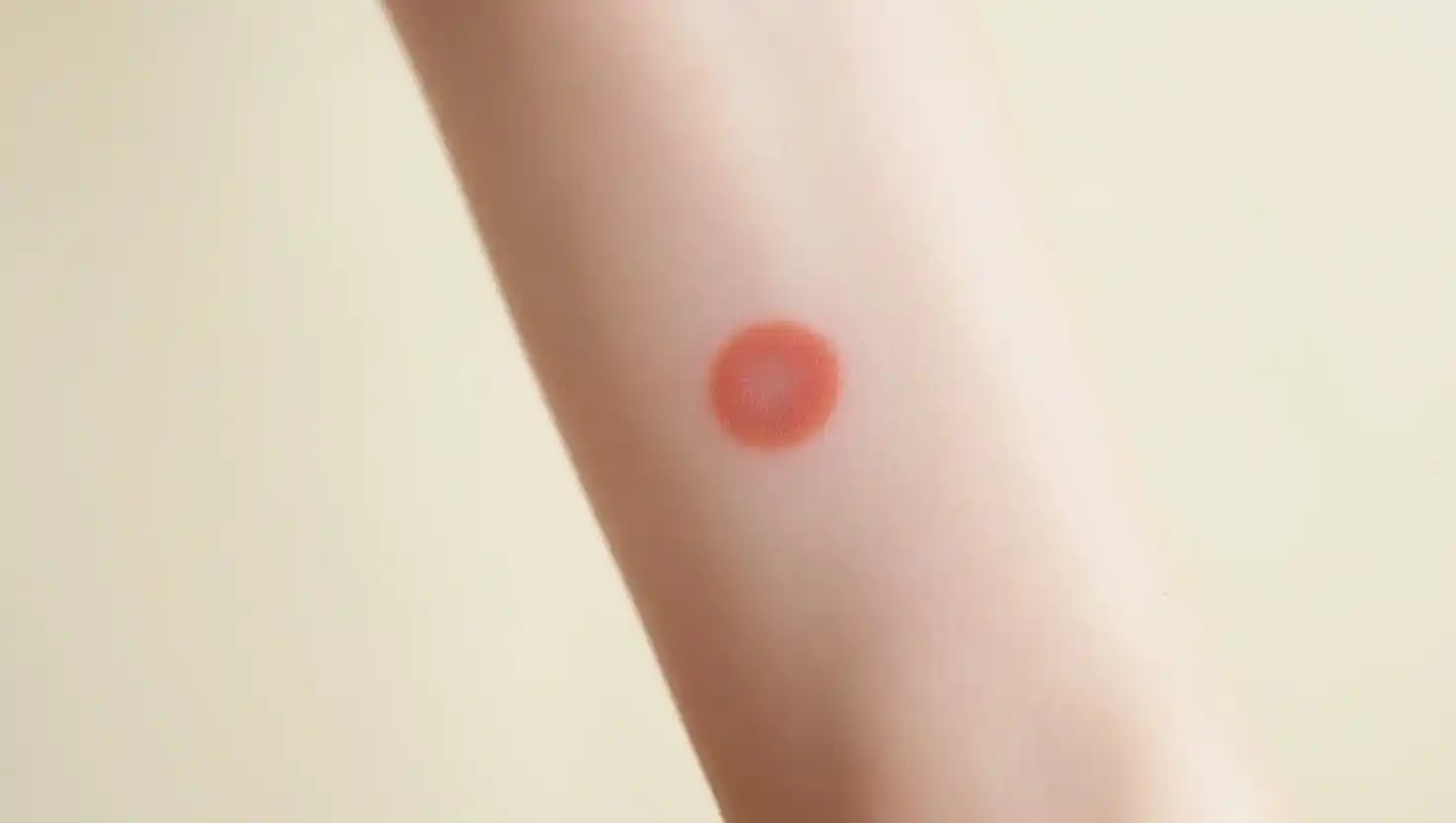
Ringworm is a contagious fungal infection that affects the skin, scalp, nails, and feet. It manifests as a red, circular rash with clearer skin in the middle, resembling a ring—hence the name. The infection is caused by dermatophytes, fungi that feed on keratin found in the skin, hair, and nails.
Prevalence
India
Ringworm is highly prevalent in India, with studies indicating a prevalence rate ranging from 6.09% to 61.5% in various regions. Factors such as climate, hygiene practices, and socioeconomic conditions contribute to its widespread occurrence.
Worldwide
Globally, 20% to 25% of the population is estimated to be affected by superficial fungal infections, including ringworm. The incidence is higher in tropical and subtropical regions due to favourable conditions for fungal growth.
Types of Ringworm
Ringworm, or tinea, manifests in several forms depending on the body part affected. Understanding the different types is essential for accurate diagnosis and treatment.
1. Tinea Corporis (Body Ringworm)
This is the most commonly recognised form. It appears as red, circular, scaly patches on the skin, usually on the arms, legs, trunk, or face.
2. Tinea Capitis (Scalp Ringworm)
Mostly affects children. Symptoms include scaly, itchy patches on the scalp, hair loss, and sometimes pus-filled sores. This form requires oral antifungal treatment.
3. Tinea Pedis (Athlete’s Foot)
Affects the feet, especially between the toes. It causes itching, burning, cracked skin, and often a foul odour. It spreads easily in communal showers or gyms.
4. Tinea Cruris (Jock Itch)
Affects the groin area and inner thighs, mostly in males. It presents as a red, itchy rash with a raised edge, and is worsened by sweating or tight clothing.
5. Tinea Unguium / Onychomycosis (Nail Ringworm)
Involves fingernails or toenails, leading to discolouration, thickening, and crumbling of the nail. It can be challenging to treat and often requires prolonged oral medication.
6. Tinea Barbae (Beard Ringworm)
Affects the bearded area of the face and neck. It causes swelling, crusting, and hair loss, often contracted through animals.
Causes of Ringworm
Despite its name, ringworm is not caused by a worm. It is a contagious fungal infection caused by a group of fungi known as dermatophytes, which feed on keratin, a protein found in the skin, nails, and hair.
The Main Fungal Culprits:
- Trichophyton
- Microsporum
- Epidermophyton
These fungi thrive in warm, moist environments, making public places like locker rooms and swimming pools ideal for transmission.
How Ringworm Spreads:
- Human-to-Human Contact
Direct skin-to-skin contact with an infected person can spread the fungus. - Animal-to-Human Transmission
Pets, especially cats and dogs, can carry the fungus and transmit it to humans through touch. - Object-to-Human (Fomite) Contact
Sharing personal items like towels, clothing, combs, shoes, or gym equipment can spread the infection. - Soil-to-Human Contact
Though rare, prolonged contact with infected soil can also cause ringworm.
Symptoms of Ringworm
Common symptoms include:
- Red, circular, and itchy rash.
- Scaly, cracked skin.
- Hair loss in affected areas.
- Thickened, discoloured nails (in nail infections).
Symptoms typically appear 4 to 14 days after exposure.
Diagnosis of Ringworm
A proper diagnosis is key to effective treatment and preventing the infection from spreading. Ringworm is often diagnosed clinically, but sometimes lab tests are needed for confirmation.
1. Physical Examination
A doctor can often identify ringworm based on the appearance of the red, ring-shaped rash with a clear centre and raised edges. In some cases, the rash may not appear in a perfect circle.
2. Wood’s Lamp Test
This is a UV light test used to examine the affected skin. Certain types of fungi (especially Microsporum) fluoresce under the light, aiding in diagnosis.
3. KOH (Potassium Hydroxide) Test
A skin scraping is taken from the infected area, treated with potassium hydroxide, and examined under a microscope. The KOH breaks down skin cells, making fungal elements easier to detect.
4. Fungal Culture
This involves placing skin, nail, or hair samples in a culture medium to allow fungal growth. Though it takes longer (1–3 weeks), it is used to identify resistant strains or confirm diagnosis in difficult cases.
5. Biopsy (Rare)
In uncertain or severe cases, a skin biopsy may be done to rule out other conditions like eczema or psoriasis.
Treatment of Ringworm
Ringworm treatment depends on the location and severity of the infection. Early treatment helps stop the spread and prevents complications.
Topical Antifungal Medications
Mild cases (especially on the body or feet) are usually treated with over-the-counter (OTC) creams, ointments, or powders. (Brands available: Quadriderm, Surfaz SN, Panderm, Lobate)
Common topical antifungals include:
- Clotrimazole
- Miconazole
- Terbinafine
- Ketoconazole
- Tolnaftate
These are applied once or twice daily for 2–4 weeks. It is crucial to continue treatment even after symptoms improve to ensure complete eradication of the fungus.
Oral Antifungal Medications
For scalp, nail, or severe skin infections, oral antifungals are prescribed. Treatment duration may range from 4 to 12 weeks.
Common oral antifungals:
- Griseofulvin – especially for scalp infections in children
- Terbinafine – preferred for nail and skin infections
- Itraconazole or Fluconazole – used in resistant or widespread infections
Note: Oral antifungals may have side effects like nausea or liver irritation, so regular monitoring may be necessary.
Supportive Measures
- Keep the affected area clean and dry
- Avoid scratching to prevent spreading
- Disinfect household items and clothing regularly
- Use antifungal powders in shoes or groin area to keep moisture at bay
Treatment for Pets
If your pet is the source, consult a vet. Treatment may include topical shampoos or oral antifungals, and pets may need to be isolated during recovery.
Alternative Therapies
Some natural remedies may help, but consult a healthcare provider before use. These should not replace conventional treatments.
- Tea Tree Oil: Known for antifungal properties.
- Aloe Vera: Soothes irritated skin.
- Turmeric: Contains curcumin with antifungal effects.
Risk Factors
Factors increasing ringworm risk include:
- Living in warm, humid climates.
- Excessive sweating.
- Close contact sports.
- Poor hygiene.
- Weakened immune system.
- Sharing personal items.
Complications
If untreated, ringworm can lead to:
- Secondary bacterial infections: Due to scratching.
- Permanent skin discoloration: Or scarring.
- Spread to other body parts: Or to others.
Tips to Live with Ringworm
- Follow treatment regimens diligently.
- Avoid scratching to prevent spread.
- Use antifungal powders to keep areas dry.
- Inform close contacts to monitor for symptoms.
Common Misconceptions About This Condition
Myth: Ringworm is caused by worms.
Fact: It's a fungal infection.
Myth: Only children get ringworm.
Fact: It can affect individuals of all ages.
Myth: Once treated, it won't return.
Fact: Reinfection is possible without proper precautions.
When to See a Doctor
Consult a healthcare provider if:
- The rash doesn't improve with over-the-counter treatments.
- The infection spreads or worsens.
- You have a weakened immune system.
- The infection is on the scalp or nails.
Questions to Ask Your Doctor
When visiting a healthcare provider for ringworm, consider asking the following questions:
- What type of ringworm do I have?
- Is it contagious, and how can I prevent spreading it to others?
- How long will it take to heal with treatment?
- Do I need a topical or oral antifungal?
- Are there any side effects of the prescribed medication?
- Should I stop certain activities like gym workouts or swimming?
- Is my pet or someone in my household at risk of getting infected?
- What signs should I watch for that might suggest complications?
- Can I use over-the-counter antifungal creams, or do I need a prescription?
- How can I make sure the infection doesn’t come back?
How to Support Someone Dealing with Ringworm
Ringworm may cause embarrassment or discomfort. If a friend or loved one is affected, your support can ease their recovery:
- Offer emotional reassurance: Help dispel any embarrassment or stigma.
- Avoid judgment: Remind them it’s a common and treatable infection.
- Help with practical needs: Wash linens, remind them to take medications, or assist with doctor visits if needed.
- Keep your distance without isolating: Avoid skin-to-skin contact but remain emotionally supportive.
- Promote hygiene: Encourage regular cleaning of shared items and surfaces.
- Be patient: Treatment may take weeks, so provide ongoing encouragement.
Conclusion
Ringworm may sound alarming, but it's a very common, treatable fungal skin infection. Whether it appears on the scalp, feet, body, or nails, recognising the symptoms early and seeking timely treatment is crucial. Preventive measures like maintaining good hygiene, avoiding shared personal items, and treating infected pets can significantly reduce your risk of catching or spreading ringworm.
Living with ringworm can be uncomfortable, but with proper care, it typically resolves without long-term effects. If symptoms worsen or don’t improve with treatment, consult a healthcare provider for further evaluation. With the right approach, ringworm can be effectively managed and even prevented from recurring.
Frequently Asked Questions
Is ringworm a worm infection?
Can ringworm go away on its own?
Is ringworm contagious?
How long does it take for ringworm to heal?
Can I go to the gym or pool if I have ringworm?

Download the app


DawaaDost
Our Policies
Our Services
Knowledge Base
Fetured Categories


© 2026 DawaaDost. All rights reserved. In compliance with Drugs and Cosmetics Act, 1940 and Drugs and Cosmetics Rules, 1945, we don't process requests for Schedule X and other habit forming drugs.
