



 0
0PCOD (Polycystic Ovarian Disease)
Topics
Introduction
PCOD is one of the most common hormonal health conditions affecting women of reproductive age. It can influence menstrual health, fertility, weight, skin, hair growth, and long-term metabolic health. Many women live with PCOD for years without knowing it because symptoms often develop gradually and vary from person to person.
Although PCOD can feel overwhelming, it is manageable with the right treatment, healthy habits, and regular medical support. Early diagnosis can help prevent complications such as infertility, diabetes, and heart disease. This guide explains PCOD in simple language so you can understand the condition clearly and take informed steps towards better health.
What is PCOD (Polycystic Ovarian Disease)?
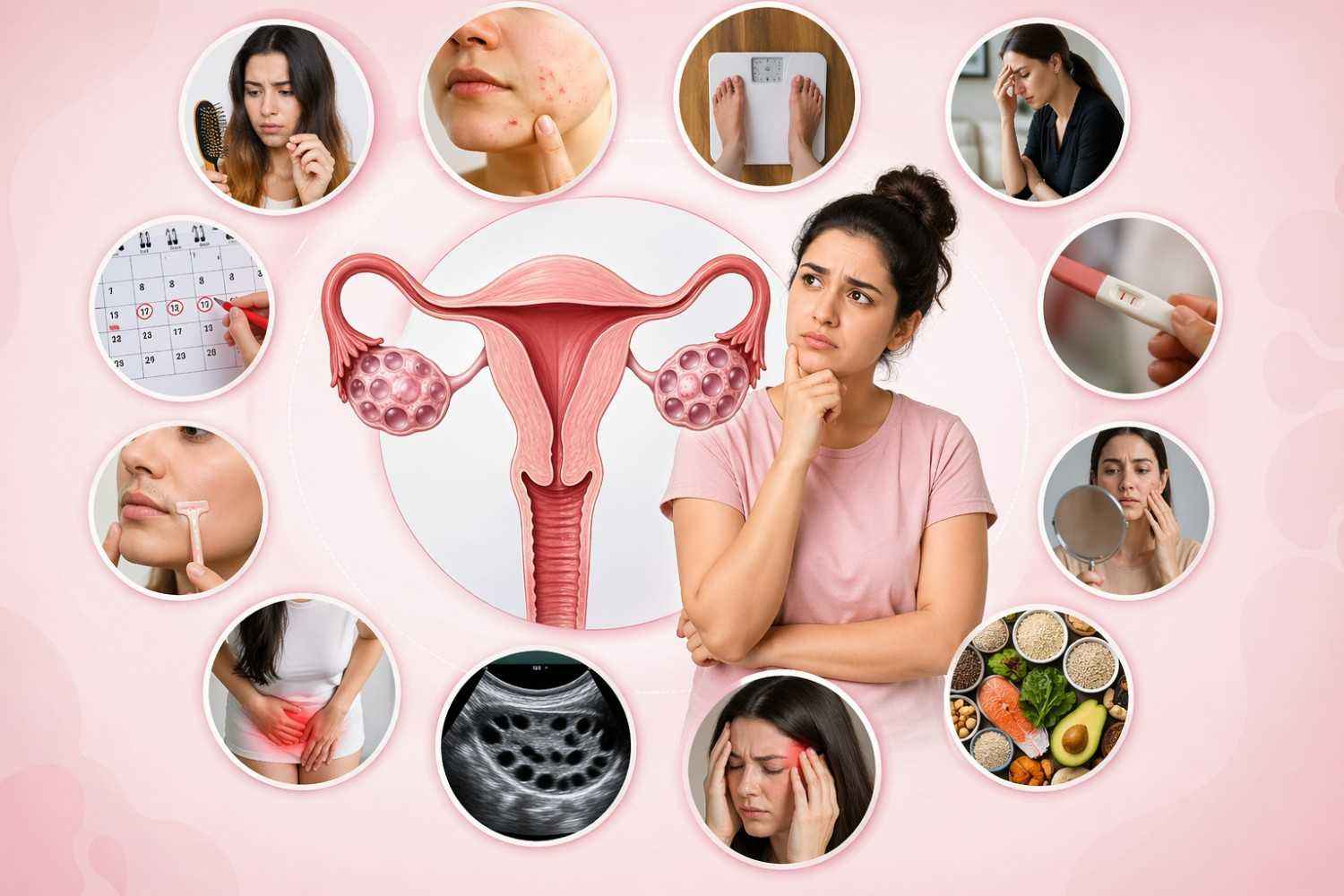
PCOD (Polycystic Ovarian Disease) is a hormonal condition in which the ovaries may produce immature or partially mature eggs. These eggs can turn into small cysts over time. As a result, the ovaries may become enlarged and hormonal imbalance may occur.
PCOD is closely linked with irregular periods, excess androgen hormones (male-type hormones present in all women in small amounts), acne, unwanted hair growth, weight gain, and difficulty getting pregnant.
PCOD is often confused with PCOS (Polycystic Ovary Syndrome). While both conditions overlap, PCOD is generally considered more common and often milder, whereas PCOS may involve stronger metabolic and hormonal disturbances.
Prevalence
PCOD and related polycystic ovarian disorders are common worldwide.
- Globally, studies estimate that 8% to 13% of women of reproductive age may have polycystic ovarian disorders depending on the diagnostic criteria used.
- Many cases remain undiagnosed, especially where menstrual health is not openly discussed.
- In India, studies suggest prevalence may range from 3% to over 20% depending on age group, region, urban lifestyle factors, and diagnostic method.
- PCOD is increasingly seen in teenagers and young adults due to sedentary lifestyle, stress, poor sleep, and rising obesity rates.
Types of PCOD (Polycystic Ovarian Disease)
PCOD is not always divided into strict medical “types”, but doctors may describe patterns based on symptoms and causes.
1. Insulin-Resistance Dominant PCOD
Often linked with weight gain, difficulty losing weight, sugar cravings, and higher risk of diabetes.
2. Inflammatory PCOD
Associated with chronic low-grade inflammation, fatigue, acne, and unhealthy lifestyle habits.
3. Post-Pill Hormonal Imbalance
Some women notice irregular cycles after stopping hormonal contraceptive pills.
4. Lean PCOD
Occurs in women with normal body weight but with irregular periods, acne, or fertility issues.
Causes of PCOD (Polycystic Ovarian Disease)
There is no single cause of PCOD. It usually develops due to a combination of factors.
Hormonal Imbalance
Higher androgen levels can interfere with ovulation and cause acne or excess facial hair.
Insulin Resistance
When the body does not use insulin effectively, insulin levels rise. This can stimulate the ovaries to produce more androgens.
Genetics
PCOD often runs in families. If your mother or sister has PCOD, your risk may be higher.
Obesity and Weight Gain
Excess body fat can worsen insulin resistance and hormone imbalance.
Inflammation
Long-term low-grade inflammation may contribute to hormonal changes.
Lifestyle Factors
Lack of exercise, unhealthy diet, chronic stress, and poor sleep may increase risk or worsen symptoms.
Symptoms of PCOD (Polycystic Ovarian Disease)
Symptoms vary widely. Some women have mild symptoms, while others face multiple concerns.
Menstrual Symptoms
- Irregular periods
- Missed periods
- Heavy bleeding
- Delayed cycles
Skin and Hair Symptoms
- Acne
- Oily skin
- Excess facial or body hair
- Hair thinning or hair fall
Weight and Metabolic Symptoms
- Weight gain
- Difficulty losing weight
- Increased belly fat
- Dark skin patches around neck or underarms
Fertility Symptoms
- Irregular ovulation
- Difficulty conceiving
Emotional Symptoms
- Mood swings
- Anxiety
- Low confidence
- Stress related to appearance or fertility concerns
Diagnosis of PCOD (Polycystic Ovarian Disease)
There is no single test that confirms PCOD in every case. Doctors usually assess symptoms, medical history, and investigations together.
Medical History
Your doctor may ask about:
- Menstrual cycle pattern
- Weight changes
- Acne or hair growth
- Fertility concerns
- Family history
Physical Examination
May include:
- Weight and BMI
- Blood pressure
- Signs of acne or excess hair growth
- Waist circumference
Blood Tests
To check:
- Hormone levels
- Thyroid function
- Blood sugar
- Insulin levels
- Cholesterol levels
Ultrasound Scan
A pelvic ultrasound can look for enlarged ovaries or multiple small follicles.
Excluding Other Conditions
Doctors may rule out thyroid disorders, high prolactin, adrenal disorders, or other causes of irregular periods.
Treatment of PCOD (Polycystic Ovarian Disease)
Treatment depends on symptoms, age, fertility goals, and overall health.
Lifestyle Changes
This is often the first and most effective step.
- Regular exercise
- Weight management
- Balanced diet
- Better sleep
- Stress reduction
Even a modest weight loss may improve periods and ovulation.
Medicines for Irregular Periods
Doctors may prescribe hormonal medicines or oral contraceptive pills to regulate cycles.
Medicines for Insulin Resistance
Medicines such as Metformin may help in some cases.
Fertility Treatment
If pregnancy is desired, ovulation-inducing medicines may be used under supervision.
Acne and Hair Growth Treatment
May include hormonal treatment, dermatology care, or cosmetic methods.
Mental Health Support
Counselling can be helpful for anxiety, body image stress, or fertility-related emotional burden.
Alternative Therapies
Alternative therapies should support, not replace, medical care.
Yoga
Can help with stress, flexibility, and physical activity.
Meditation
Useful for anxiety management and sleep improvement.
Acupuncture
Some women explore it for cycle balance or stress relief, though evidence is mixed.
Herbal Supplements
Certain supplements are marketed for PCOD, but quality and effectiveness vary. Always consult a doctor before use.
Nutrition Therapy
Working with a dietitian can help create a sustainable eating plan.
Risk Factors
You may be at higher risk if you have:
- Family history of PCOD or diabetes
- Overweight or obesity
- Sedentary lifestyle
- High stress levels
- Poor sleep routine
- Unhealthy diet high in refined foods
- Insulin resistance
- Early menstrual irregularity in teenage years
Complications
Untreated or poorly managed PCOD may lead to:
Fertility Problems
Irregular ovulation can make conception harder.
Type 2 Diabetes
Insulin resistance increases long-term risk.
High Cholesterol
May raise cardiovascular risk.
High Blood Pressure
Can develop alongside metabolic syndrome.
Endometrial Problems
Long gaps between periods may cause abnormal thickening of the uterine lining.
Mental Health Challenges
Anxiety, depression, and low self-esteem are common but often overlooked.
Sleep Apnoea
More likely in women with obesity and metabolic dysfunction.
Tips to Live with PCOD (Polycystic Ovarian Disease)
Living well with PCOD is possible with consistent habits.
Build a Routine
Eat meals on time, sleep regularly, and stay active.
Choose Sustainable Exercise
Walking, strength training, cycling, swimming, and yoga can all help.
Track Your Cycle
Use a diary or app to monitor periods and symptoms.
Focus on Progress, Not Perfection
Small improvements matter more than short-term extreme plans.
Support Mental Health
Talk to trusted people, join support groups, or seek counselling.
Follow Up with Your Doctor
Regular reviews help adjust treatment and prevent complications.
Common Misconceptions About This Condition
Myth 1: PCOD Means You Can Never Get Pregnant
False. Many women with PCOD conceive naturally or with treatment.
Myth 2: Only Overweight Women Get PCOD
False. Lean women can also develop PCOD.
Myth 3: Missing Periods Are Normal
False. Irregular periods should be evaluated.
Myth 4: PCOD Is Just a Cosmetic Problem
False. It can affect metabolism, fertility, and emotional health.
Myth 5: You Need to Starve to Manage PCOD
False. Balanced nutrition works better than crash diets.
When to See a Doctor
Consult a doctor if you have:
- Irregular or absent periods
- Excess facial hair or severe acne
- Sudden weight gain
- Difficulty getting pregnant
- Hair thinning
- Dark skin patches
- Pelvic discomfort
- Signs of high blood sugar such as frequent thirst or urination
- Anxiety or low mood affecting daily life
Questions to Ask Your Doctor
- Do my symptoms suggest PCOD or another condition?
- Which tests do I need?
- How can I regulate my periods?
- What diet is best for me?
- Do I need weight loss support?
- Can I still get pregnant naturally?
- What treatment suits my goals?
- How often should I monitor blood sugar or cholesterol?
- Are there side effects of the medicines?
- What long-term risks should I watch for?
How to Support Someone Dealing with PCOD (Polycystic Ovarian Disease)
If a loved one has PCOD:
- Listen without judgement
- Avoid comments about weight or appearance
- Encourage healthy habits together
- Support medical appointments if needed
- Understand fertility struggles can be emotional
- Respect mood changes and stress
- Celebrate small health wins
- Be patient and kind
Conclusion
PCOD is a common but manageable hormonal condition that affects periods, fertility, skin, weight, and long-term health. Every woman experiences it differently, so treatment should be personalised. The most powerful tools are early diagnosis, regular exercise, balanced nutrition, stress management, and proper medical guidance. With consistent care, most women with PCOD can lead healthy and fulfilling lives.
Frequently Asked Questions
Is PCOD serious?
Can PCOD be cured permanently?
Which exercise is best for PCOD?
Can I get pregnant with PCOD?
Does weight loss help PCOD?
Is PCOD the same as PCOS?
Which foods are good for PCOD?
Can stress worsen PCOD?

Download the app


DawaaDost
Our Policies
Our Services
Knowledge Base
Fetured Categories


© 2026 DawaaDost. All rights reserved. In compliance with Drugs and Cosmetics Act, 1940 and Drugs and Cosmetics Rules, 1945, we don't process requests for Schedule X and other habit forming drugs.
