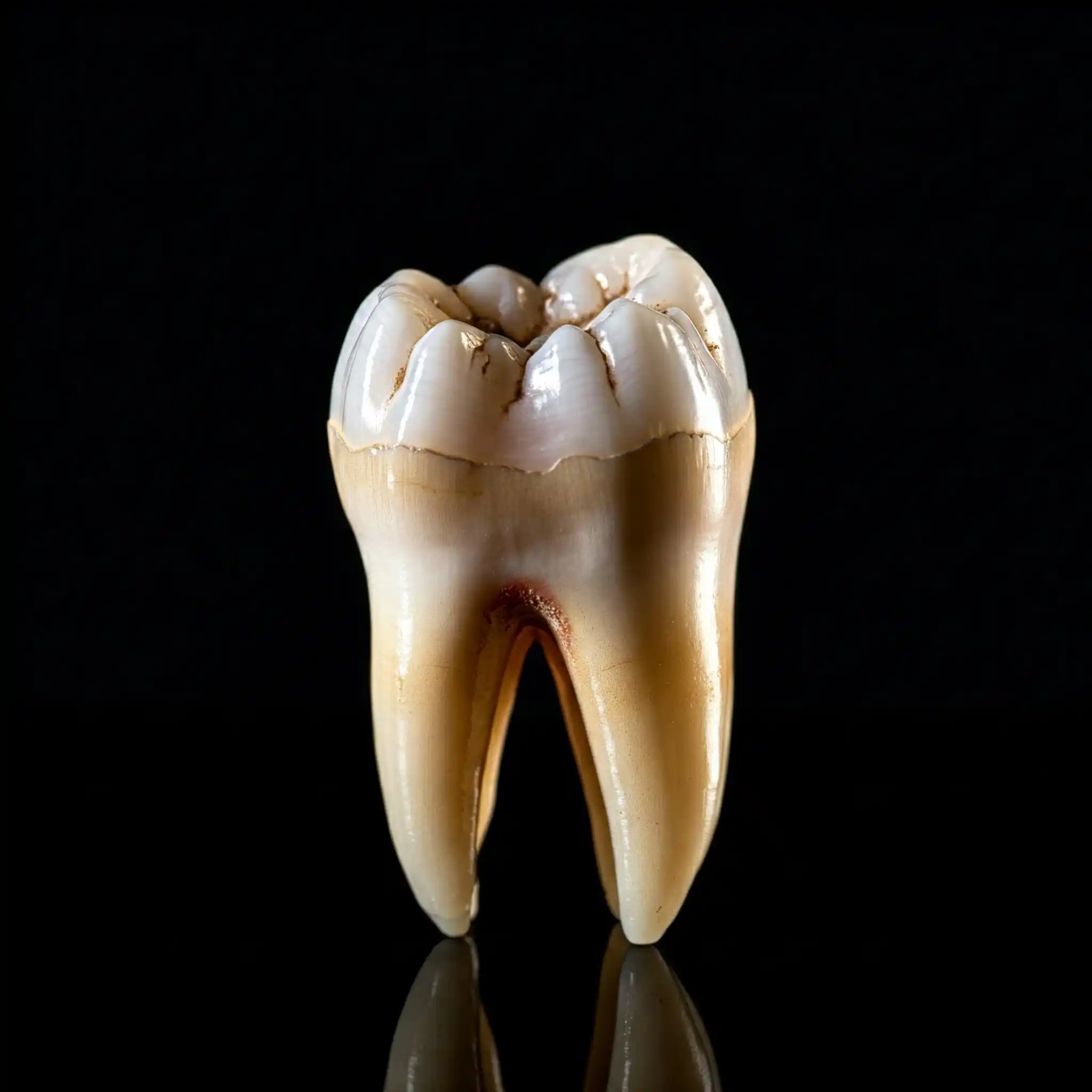
Wisdom tooth pain can disrupt your life, making eating, talking, and even sleeping uncomfortable. These third molars, typically emerging in your late teens or early twenties, often cause problems due to lack of space in your jaw. This can lead to impaction, infection, and a whole lot of discomfort. In this article, we'll explore the common causes of wisdom tooth pain, discuss the associated symptoms, and outline the available treatment options.
What Are Wisdom Teeth?
Wisdom teeth, also known as third molars, are the last set of molars to erupt in your mouth. They usually appear between the ages of 17 and 25. While some people have enough space for them to grow in properly, many others experience issues due to overcrowding.
Common Causes of Wisdom Tooth Pain
If your wisdom tooth hurts, it could be due to one of the following reasons:
Impaction
This is the most common cause of wisdom tooth pain. It occurs when there isn't enough room for the wisdom tooth to fully emerge or grow in a straight line. The tooth may remain partially or completely hidden beneath the gum line, leading to pressure, pain, and potential complications.
Impacted wisdom teeth can grow in various directions, including sideways, at an angle, or even upside down. This can cause crowding of other teeth, damage to adjacent teeth, and increase the risk of infection and cyst formation.
Pericoronitis
When a wisdom tooth partially erupts, a flap of gum tissue called the operculum can form around it. This flap can trap food particles and bacteria, leading to inflammation and infection of the gum tissue.
Pericoronitis can cause pain, swelling, tenderness, and difficulty opening your mouth. It can also lead to bad breath and an unpleasant taste in your mouth. In severe cases, the infection can spread to the surrounding tissues and cause more serious complications.
Gum Disease
Impacted wisdom teeth can create pockets around the gum line that are difficult to clean. This can lead to the buildup of plaque and bacteria, increasing the risk of gum disease (periodontal disease). Gum disease can cause inflammation, bleeding gums, bad breath, and eventually, tooth loss. It's important to maintain good oral hygiene and see a dentist regularly to prevent and treat gum disease that gives you a sore wisdom tooth gum.
Cysts and Tumours
In rare cases, impacted wisdom teeth can develop cysts or tumours around them. These fluid-filled sacs or abnormal growths can damage the surrounding jawbone and teeth if left untreated. Regular dental checkups and X-rays can help detect these issues early on.
Tooth Decay
Partially erupted wisdom teeth are more susceptible to tooth decay because they are harder to clean. Food particles and bacteria can accumulate around the tooth, leading to cavities and toothache. This is because they are often positioned in a way that makes them difficult to reach with a toothbrush and floss.
Damage to Adjacent Teeth
Impacted wisdom teeth can put pressure on adjacent teeth, causing crowding, shifting, and even damage to their roots. This can affect the alignment of your bite and may require orthodontic treatment to correct.
Symptoms of Wisdom Tooth Pain
Wisdom tooth pain can vary from person to person, but common symptoms associated with a sore wisdom tooth include:
- Pain: This can range from a dull ache to a sharp, throbbing pain in the jaw, near the ear, or even radiating to the head. The pain may be constant or intermittent and can worsen when chewing or biting.
- Swelling: The gum tissue around the impacted tooth may be swollen and tender. The swelling can extend to the cheek and jaw, making it difficult to open your mouth fully.
- Redness: The gums may appear red and inflamed. This is a sign of irritation and potential infection.
- Difficulty opening the mouth: Jaw stiffness and limited mouth opening (trismus) can occur due to inflammation and muscle spasms. This can make it difficult to eat, speak, and maintain proper oral hygiene.
- Bad breath: An unpleasant taste or odour in the mouth can be a sign of infection. This is often caused by the buildup of bacteria in the area around the impacted wisdom tooth.
- Headache: Pain can radiate to the head, causing headaches. This is due to the proximity of the wisdom teeth to the temporomandibular joint (TMJ), which connects the jawbone to the skull.
- Fever: A low-grade fever may indicate an infection. This is your body's natural response to fighting off the infection.
Diagnosing Wisdom Tooth Problems
Dentists use a combination of methods to diagnose wisdom tooth problems:
Clinical Examination
Your dentist will visually examine your mouth and may use a dental instrument to probe the area around the wisdom teeth. They will check for signs of inflammation, infection, and impaction.
X-rays
Dental X-rays (panoramic X-rays) provide a clear view of the position and development of wisdom teeth, helping to identify impaction and other issues. X-rays can also show the relationship of the wisdom teeth to the surrounding teeth, nerves, and sinuses.
Treatment Options for Wisdom Tooth Pain
While over-the-counter pain medication can temporarily relieve discomfort, the most effective treatment for wisdom tooth pain is often extraction.
Wisdom Tooth Extraction
This surgical procedure involves removing the impacted wisdom tooth. It is typically performed by an oral surgeon or a dentist with specialized training. The procedure is usually done under local anaesthesia, and in some cases, sedation or general anaesthesia may be used.
During the extraction, the dentist or oral surgeon will make an incision in the gum tissue to access the impacted tooth. They may need to remove a small portion of the jawbone to free the tooth. Once the tooth is removed, the incision is closed with stitches.
Antibiotics
If there is an active infection, your dentist may prescribe antibiotics to clear it before or after extraction. This will help prevent the spread of infection and promote healing. Commonly prescribed antibiotics include penicillin or clindamycin.
Post-Extraction Care
After the extraction, your dentist will provide instructions on post-operative care, including pain management, swelling reduction, and promoting healing. This may involve:
- Keeping the extraction site clean: Gently rinsing with salt water several times a day can help remove food debris and bacteria, promoting healing and preventing infection.
- Applying ice packs: To reduce swelling and pain. Ice packs should be applied for 15-20 minutes at a time, several times a day.
- Eating soft foods: To avoid irritating the extraction site. Avoid hard, crunchy, or chewy foods that could dislodge the blood clot and delay healing.
- Taking prescribed medications: As directed by your dentist. This may include pain medication, antibiotics, and anti-inflammatory drugs.
- Avoiding strenuous activity: For the first 24 hours after the extraction, avoid strenuous activity, smoking, and drinking through a straw, as these can dislodge the blood clot.
When to See a Dentist
It's important to see a dentist if you experience any of the following:
- Persistent or severe wisdom tooth pain
- Swelling that doesn't improve
- Difficulty opening your mouth
- Signs of infection, such as fever, pus, or bad breath
- Pain that radiates to other areas
- Bleeding that doesn't stop
Conclusion
Wisdom tooth pain can be a significant source of discomfort, but understanding its causes and seeking timely dental care can provide relief. If you suspect you have an impacted wisdom tooth or are experiencing any symptoms of wisdom tooth pain, don't hesitate to schedule an appointment with your dentist.
They can evaluate your situation, provide an accurate diagnosis, and recommend the most appropriate treatment to address your specific needs. Early intervention can prevent complications and help you regain your oral health and comfort.
FAQs
What are the signs of wisdom tooth infection?
Signs of wisdom tooth infection include throbbing pain, swelling and redness around the tooth, bad breath, difficulty opening your mouth, and sometimes fever. If you notice these signs, see your dentist promptly as an infection can spread.
What are the first signs of wisdom teeth coming in?
The first signs of wisdom teeth coming in can vary, but often include discomfort or pressure at the back of your jaw, gum tenderness or swelling, and difficulty fully opening your mouth. You might also notice a small portion of the tooth breaking through the gums.
How can I tell if my wisdom tooth gum pain is serious?
Wisdom tooth gum pain that is severe, persistent, accompanied by swelling, bad breath, or fever, or makes it difficult to open your mouth could indicate a serious issue like infection or impaction. It's important to see a dentist for evaluation.
How to tell if I need my wisdom teeth removed?
Common signs you may need your wisdom teeth removed include recurring pain, infection around the wisdom tooth, damage to adjacent teeth, or if the wisdom teeth are causing crowding or misalignment.
For more health-related content, visit our Dawaa Dost website. You will also get access to quality medicines and healthcare products, all at affordable prices. Check it now!




 0
0