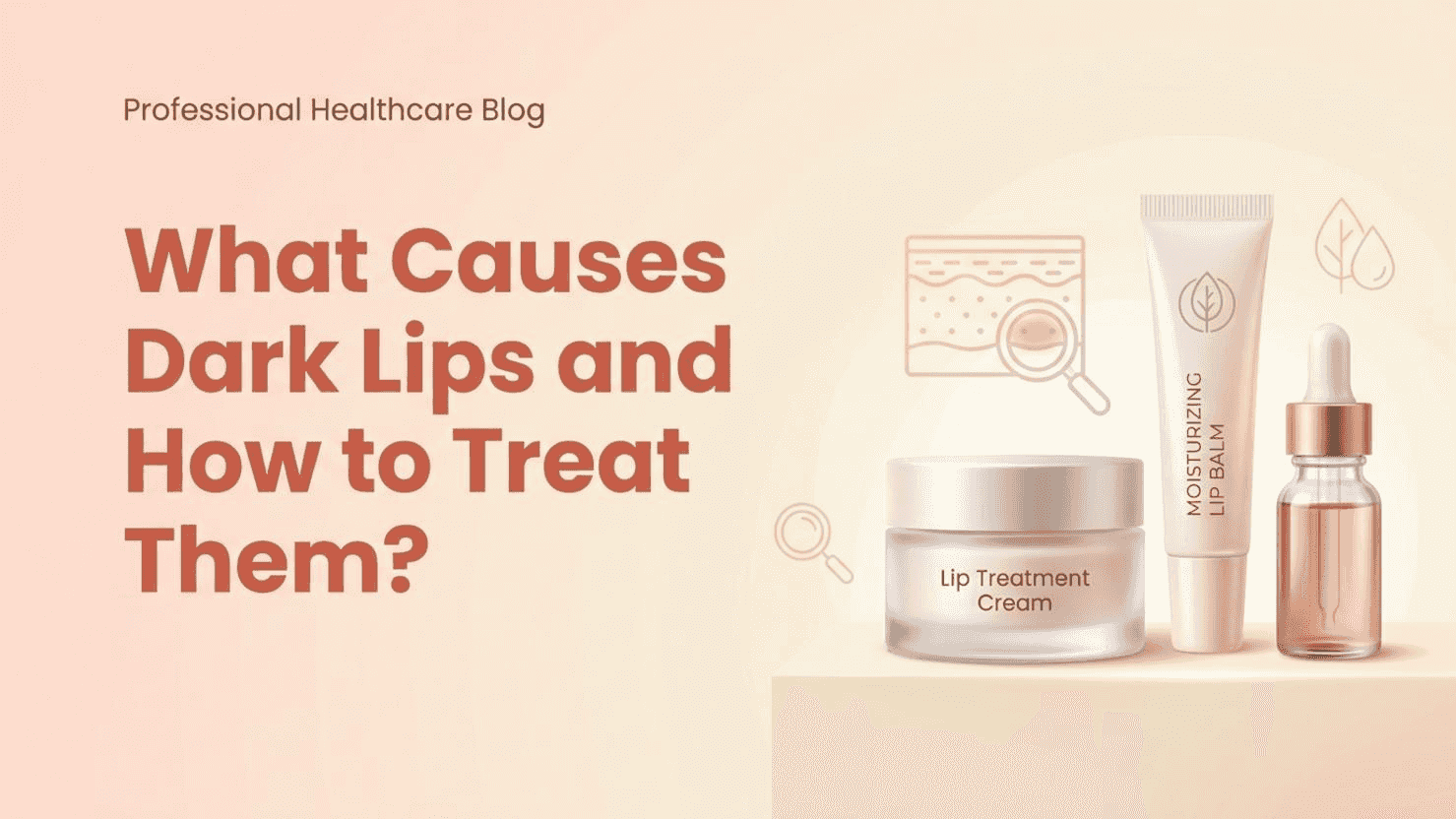
Have you recently noticed your lips looking darker than usual? Dark lips are a common concern for many people, often affecting self-confidence and appearance. The good news is, understanding the root causes of dark lips can help you manage and even reverse this change. If you're searching for an effective solution, look no further than the Minimalist Lip Treatment Balm, which is specially formulated with L-Ascorbic Acid to rejuvenate and brighten your lips. In this comprehensive guide, we'll explore what leads to dark lips, ways to prevent them, and the best treatments available for a healthy, natural look. Read on to discover practical advice you can trust!
Dark lips, medically known as lip hyperpigmentation, occur when the color of the lips turns darker than their natural hue. Sometimes, the change is subtle, while at other times, the lips may appear brown, purple, or unevenly toned. While darkening is usually harmless, it can be distressing and may signal an underlying cause needing attention.
Understanding why lips darken is key to choosing the right treatment. Let's delve into the most common reasons behind dark lips:
Just like skin, lips are vulnerable to UV rays. Prolonged sun exposure increases melanin production, causing lips to darken over time. Regular application of sunscreen or protective lip balms is crucial for prevention.
Certain habits—such as smoking, drinking excessive coffee or tea, and consuming alcohol—may stain the lips and hasten pigment changes. Nicotine and caffeine, in particular, can lead to significant darkening if used frequently.
Insufficient water intake causes lips to dry out and crack, making them more prone to hyperpigmentation. Hydrated lips naturally appear more vibrant and healthy.
Allergies to cosmetics, toothpaste, or lip care ingredients sometimes trigger pigmentation. Always choose hypoallergenic and dermatologist-tested products for your lip care routine.
Pregnancy, menstruation, or specific medications can alter hormone levels, occasionally leading to dark lips as a side effect. While often temporary, addressing the underlying cause helps restore natural lip color.
Underlying health conditions such as anemia, vitamin deficiencies (especially B12), Addison's disease, and other chronic illnesses can contribute to lip darkening. If you experience additional symptoms, consult your healthcare provider promptly.
Neglecting your lips—such as not removing makeup, neglecting exfoliation, or being harsh during cleaning—can cause dryness and darkening over time. Gentle care supports healthier-looking lips.
Prevention is always better than cure. Here are several ways to keep your lips naturally pink and healthy:
If your lips are already darkened, there's still hope. Here’s how you can help restore your lips’ natural color:
Products containing brightening agents can significantly improve the appearance of dark lips over time. Mingling science and nature, the Minimalist Lip Treatment Balm is thoughtfully formulated with L-Ascorbic Acid (a potent form of Vitamin C). L-Ascorbic Acid helps reduce pigmentation and supports collagen production, making lips look healthier and more radiant. Regular use can effectively lighten dark lips and protect against further damage.
Mild exfoliation with a soft toothbrush or a homemade sugar scrub helps remove dead skin cells that contribute to a dull appearance. However, avoid aggressive scrubbing, which may irritate sensitive skin.
Applying nourishing lip balms throughout the day keeps your lips hydrated and prevents further pigmentation. Choose products with natural emollients and healing ingredients for best results.
For stubborn cases, dermatologists offer advanced treatments, such as chemical peels or laser therapy, specifically targeting hyperpigmentation. These procedures should only be considered after professional assessment and are usually recommended in severe cases.
Many home remedies—lemon juice, honey, natural oils—are popular for lightening lips, but their safety and effectiveness are not always proven. Be cautious with DIY treatments, as acidic or harsh ingredients can worsen lip irritation.
The Minimalist Lip Treatment Balm stands out as an advanced solution to dark lips. Here’s why you should consider this balm for your daily regimen:
For in-depth tips on lip and skin care, visit our detailed Blog section.
Maintaining healthy lips isn’t just about treating problems—prevention is equally key. Make these safe practices part of your daily routine:
While dark lips are often a cosmetic issue, sudden discoloration, pain, sores, bleeding, or other symptoms may signal an underlying health problem. Always consult a healthcare provider or dermatologist if you notice persistent or unexplained changes to your lips.
Dark lips may develop for many reasons, but with the right understanding and care, they can often be improved. By identifying lifestyle triggers, adopting healthy habits, and using science-backed solutions such as the Minimalist Lip Treatment Balm, you can work towards restoring your lips’ natural color and softness. Remember, gentle care and patience yield the best results. For more tips on healthy skin and expert lip care guidance, browse our Blog for further insights.
Dark lips are usually caused by sun exposure, dehydration, smoking, certain medications, hormonal changes, allergic reactions, or underlying health conditions. Identifying the cause helps in choosing the right treatment.
Yes, Minimalist Lip Treatment Balm contains L-Ascorbic Acid, known for its brightening and healing properties. Regular use can help fade dark pigmentation and restore the lips’ natural color over time.
While some home remedies like honey or natural oils may help, others can cause irritation or worsen pigmentation. Always patch test and consult a healthcare provider if unsure. Clinically tested products are usually safer for sensitive lips.
Results may vary, but with consistent use of products like Minimalist Lip Treatment Balm, improvement can often be seen within 2-4 weeks. For best results, combine with good hydration and sun protection.
If your dark lips are accompanied by pain, swelling, sores, bleeding, or sudden changes, or if over-the-counter products do not work, you should consult a healthcare professional.
Disclaimer: This article is intended for informational purposes only and should not be considered a substitute for professional medical advice. Always consult a qualified healthcare provider for diagnosis and treatment of any health condition.
Our Services
Knowledge Base
Fetured Categories
© 2026 DawaaDost. All rights reserved. In compliance with Drugs and Cosmetics Act, 1940 and Drugs and Cosmetics Rules, 1945, we don't process requests for Schedule X and other habit forming drugs.