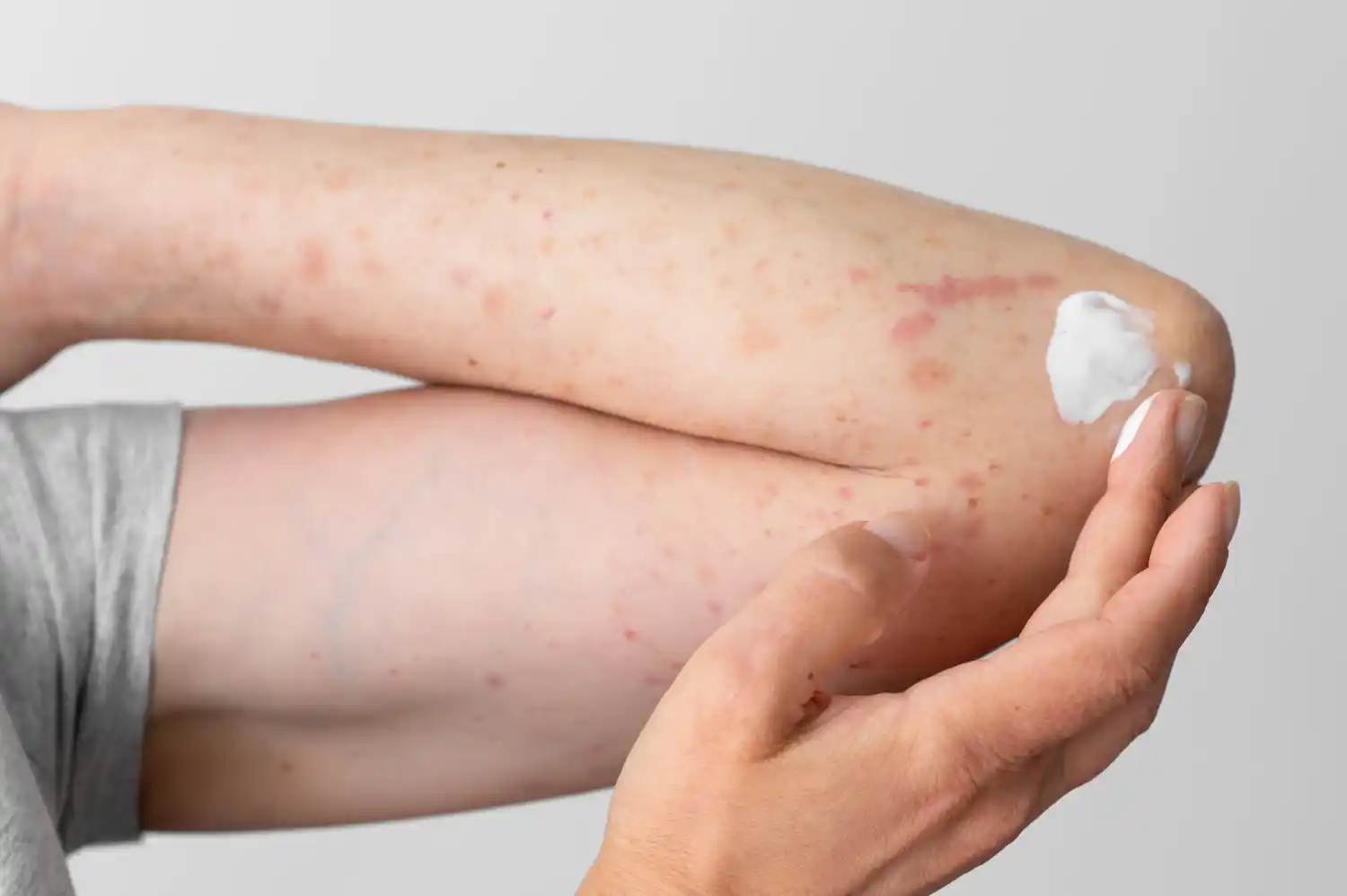
Fungal skin infections, also known as mycosis, are common conditions caused by the overgrowth of fungi on the skin. These infections can affect various parts of the body and cause a range of symptoms, from mild itching to painful rashes.
This blog post provides a comprehensive overview of fungal skin infections, including their types, symptoms, treatment, and prevention.
What are Fungal Skin Infections?
Fungi are microscopic organisms that live naturally on the skin, hair, and nails. In most cases, they cause no harm. However, under certain conditions like warm, moist environments, these fungi can multiply rapidly and penetrate the skin, leading to an infection.
Types of Fungal Skin Infections
There are many types of fungal skin infections, each with its own characteristics:
Athlete's foot (tinea pedis)
This common infection affects the feet, particularly between the toes. Athlete's foot is highly contagious and thrives in warm, moist environments like showers and locker rooms.
- Symptoms: Itching, burning, stinging, scaling, redness, blisters, cracking or peeling skin.
Jock itch (tinea cruris)
This infection affects the groin area. It causes an itchy, red, often ring-shaped rash in the groin, inner thighs, and buttocks. The skin may also be scaly or flaky. Jock itch is common in people who sweat a lot or wear tight clothing.
- Symptoms: Itching, burning, redness, rash with a raised border, scaling, flaking.
Ringworm (tinea corporis)
Ringworm can develop anywhere on the body. It appears as a red, ring-shaped rash with a raised, scaly border. The rash may be itchy and can grow in size. Despite its name, ringworm is not caused by a worm, but by a fungus.
- Symptoms: Ring-shaped rash with a raised, scaly border, itching, redness.
Nail fungus (onychomycosis)
This infection affects the nails. Nail fungus can be difficult to treat and may require oral antifungal medication.
- Symptoms: Discoloration (yellow, brown, or white), thickening, brittleness, crumbling, distortion of the nail shape, separation from the nail bed.
Yeast infections (candidiasis)
These infections are caused by an overgrowth of Candida yeast, which is a type of fungus. They commonly occur in warm, moist areas of the body, such as the skin folds (armpits, groin, under breasts), mouth (oral thrush), and genitals.
- Symptoms: Itching, burning, redness, white patches, rash, satellite lesions (smaller patches surrounding the main rash).
Treatment for Fungal Skin Infections
Treatment for fungal skin infections typically involves antifungal medications to kill the fungus and reduce symptoms. The type of medication and duration of treatment will depend on the type and severity of the infection.
Topical Medications
- Antifungal creams, lotions, gels, powders, or sprays: Fungal infection cream for skin or other medication forms like gels and lotions are applied directly to the affected area. Common active ingredients include clotrimazole, miconazole, ketoconazole, terbinafine, and tolnaftate.
Oral Medications
- Antifungal pills: These are taken by mouth and are typically used for more severe or persistent infections, or when topical treatments are ineffective. Common oral antifungals include fluconazole, itraconazole, and terbinafine.
Other Treatments
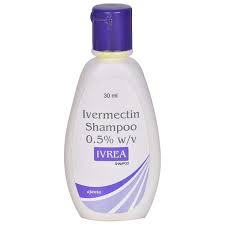
- Medicated shampoos: These are used for fungal infections of the scalp.
- Medicated nail lacquer: This is used for nail fungus.
Always follow your doctor's instructions and complete the full course of treatment, even if your symptoms improve earlier. This helps to ensure that the infection is completely cleared and reduces the risk of recurrence.
Risk Factors
Several factors can increase your risk of developing fungal skin infections:
- Warm, moist environments: Fungi thrive in warm, moist areas like locker rooms, showers, and skin folds.
- Excessive sweating: Sweating creates a moist environment conducive to fungal growth.
- Tight clothing: Tight clothing can trap moisture and increase the risk of infection.
- Weakened immune system: People with weakened immune systems are more susceptible to infections.
- Sharing personal items: Sharing towels, clothing, or shoes can spread fungal infections.
- Walking barefoot in public areas: Walking barefoot in public showers or locker rooms increases the risk of athlete's foot.
How to Prevent Fungal Skin Infections
You can reduce your risk of fungal skin infections by taking the following preventive measures:
- Keep your skin clean and dry: Shower regularly, especially after exercising, and dry your skin thoroughly.
- Wear breathable clothing: Choose loose-fitting clothes made from natural fibers like cotton.
- Avoid sharing personal items: Don't share towels, clothing, or shoes with others.
- Wear shoes in public areas: Wear flip-flops or shower shoes in public showers and locker rooms.
- Keep your nails short and clean: Trim your nails regularly and clean them properly.
- Manage underlying conditions: If you have a weakened immune system or conditions like diabetes, work with your doctor to manage them effectively.
In Conclusion
Fungal skin infections are common conditions that can affect anyone. Understanding the causes, symptoms, and treatment options can help you manage these infections effectively. By taking preventive measures and seeking prompt medical attention when needed, you can minimise the impact of fungal skin infections on your health and well-being.
FAQs
Are fungal skin infections contagious?
Yes, many fungal skin infections can be spread through direct contact with an infected person or contaminated surfaces.
Can fungal skin infections go away on their own?
Some mild fungal skin infections may resolve on their own. However, treatment is often recommended to prevent complications and recurrence.
How long does it take for a fungal skin infection to clear up?
The healing time varies depending on the type and severity of the infection. It can take several weeks or even months for some infections to clear completely.
Looking for affordable medicines and healthcare products but don't know where to buy them? Check out our Dawaa Dost website where we make quality and affordable medicines accessible to all!
Sources
https://www.webmd.com/skin-problems-and-treatments/fungal-infections-skin
https://www.healthline.com/health/fungal-skin-infection
Image Source: Freepik




 0
0