logo.webp

Welcome To Dawaa Dost

Enter your mobile number to continue

You want to Leave?

  • Home
  • Blog
  • SPF 30 vs 50: Which Sunscreen Is Better for Indian Skin?

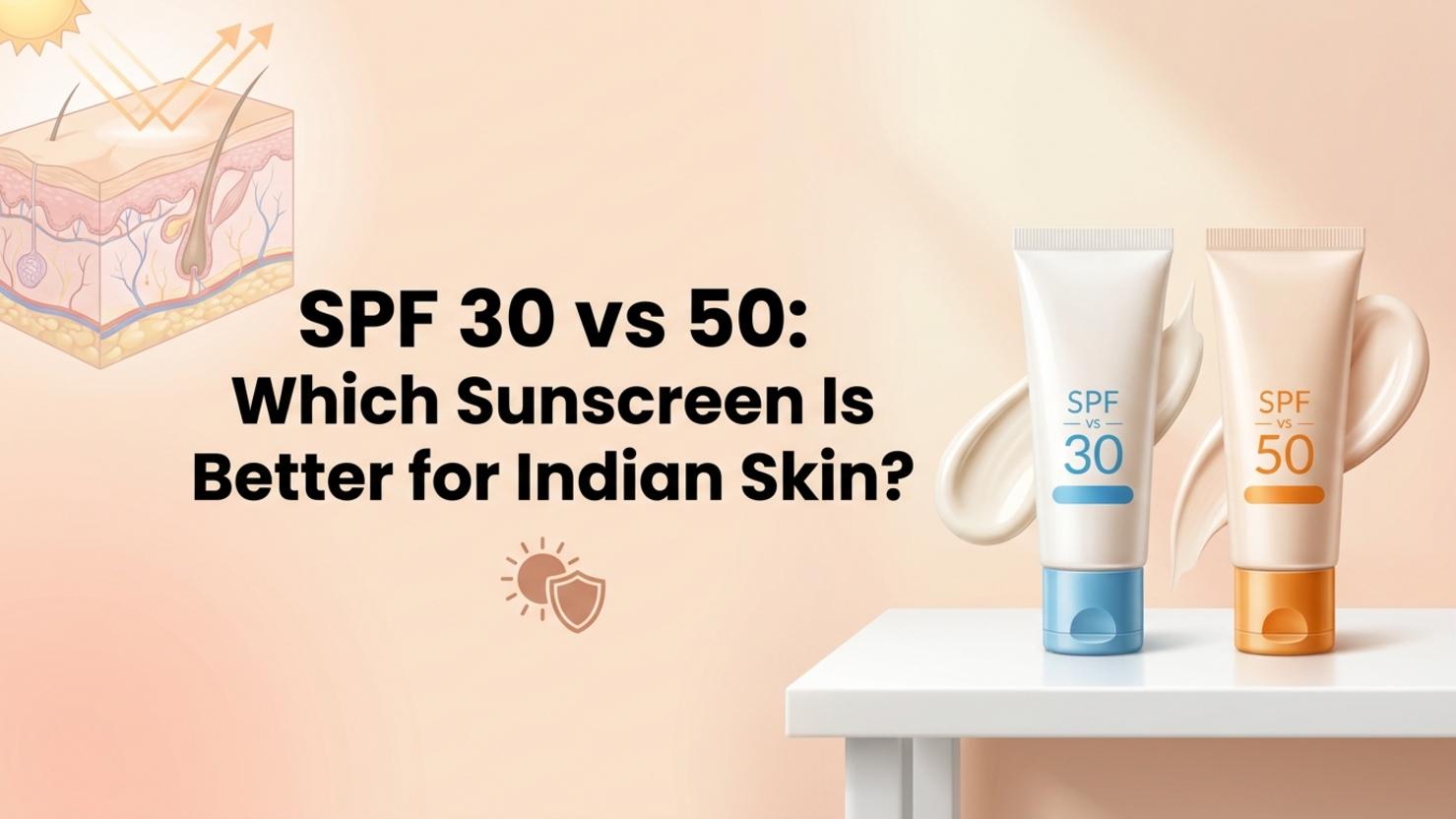
SPF 30 vs 50: Which Sunscreen Is Better for Indian Skin?

8 min read
In this blog

  • Introduction
  • Understanding SPF: What Does It Really Mean?
  • How Much More Protection Does SPF 50 Provide Than SPF 30?
  • Why Is Sunscreen Essential for Indian Skin?
  • Factors to Consider: SPF 30 vs 50 for Indian Skin
  • PA Rating: Why Does It Matter?
  • Dot & Key Blueberry Hydrate Barrier Repair Sunscreen SPF 50+ PA++++: Expert Review
  • SPF 30 vs 50: Which One to Choose in Daily Life?
  • How to Use Sunscreen Effectively
  • Frequently Asked Questions (FAQs)
  • Conclusion

Introduction

Sunscreen is your best friend against the harsh Indian sun, but choosing the right one can be confusing. With so many options available, many people wonder: Is SPF 30 enough, or does SPF 50 offer more protection? In this blog, we unravel the science behind SPF ratings, especially for Indian skin types and climate. We'll also highlight why Dot & Key Blueberry Hydrate Barrier Repair Sunscreen SPF 50+ PA++++ is quickly becoming a favorite dermatologist-recommended product. If UV protection, hydration, and healthy skin matter to you, read on to discover which SPF is truly better for you.

Understanding SPF: What Does It Really Mean?

SPF stands for Sun Protection Factor, which measures how well a sunscreen protects your skin from UVB rays — the type of ultraviolet radiation primarily responsible for sunburn and contributing to skin cancer. For example, if your skin starts to burn after 10 minutes in the sun, an SPF 30 sunscreen should, in theory, allow you to be outside 30 times longer (or 300 minutes) without burning. However, real-world conditions like sweating, swimming, and incomplete application mean the practical protection may vary significantly.

How Much More Protection Does SPF 50 Provide Than SPF 30?

The difference between SPF 30 and SPF 50 may surprise you. Here’s a breakdown:

  • SPF 30 blocks about 97% of UVB rays.
  • SPF 50 blocks about 98% of UVB rays.

While SPF 50 does provide slightly more protection than SPF 30, no sunscreen can block 100% of harmful rays. The key difference lies in the margin of safety, which can be critical for people with high sun exposure, certain medical conditions, or sensitive skin.

Why Is Sunscreen Essential for Indian Skin?

Many Indians believe that medium to dark skin tones do not require sunscreen. However, all skin types — regardless of melanin content — are vulnerable to UV damage, which can cause:

  • Premature aging (wrinkles, fine lines, dark spots)
  • Sunburn (even in deeper skin tones)
  • Increased risk of skin cancers
  • Hyperpigmentation and uneven skin tone

The Indian climate also intensifies sun exposure due to high temperatures, long daylight hours, and reflection off surfaces. Therefore, optimal sun protection is a must.

Factors to Consider: SPF 30 vs 50 for Indian Skin

Deciding between SPF 30 and SPF 50 depends on several personal and environmental factors. Here’s what you should consider:

1. Your Skin Tone and Sensitivity

While deeper skin tones have more melanin, providing some natural protection, they are not immune to sun damage. Those with lighter skin, sensitive skin, or a history of pigmentation issues should lean toward higher SPF for added safety.

2. Duration and Intensity of Sun Exposure

If you spend extended periods outdoors, especially during peak sunlight hours (10 am – 4 pm), SPF 50 is preferable. Remember, the Indian sun can be relentless even on cloudy days.

3. Your Lifestyle & Activities

If you sweat heavily, play sports, or swim, the increased sun exposure and water may diminish sun protection. A higher SPF like 50 can provide an extra buffer before reapplication is needed.

4. Medical and Cosmetic Concerns

Those with skin conditions such as melasma, post-inflammatory hyperpigmentation, or on medications/skin treatments (like retinoids or peels) are more susceptible to sunburn and should opt for SPF 50 or higher.

PA Rating: Why Does It Matter?

PA stands for Protection Grade of UVA. In India’s tropical climate, both UVA (causing aging and long-term skin damage) and UVB rays are high risk. PA++++ indicates extremely high UVA protection, making it ideal for comprehensive UV defense.

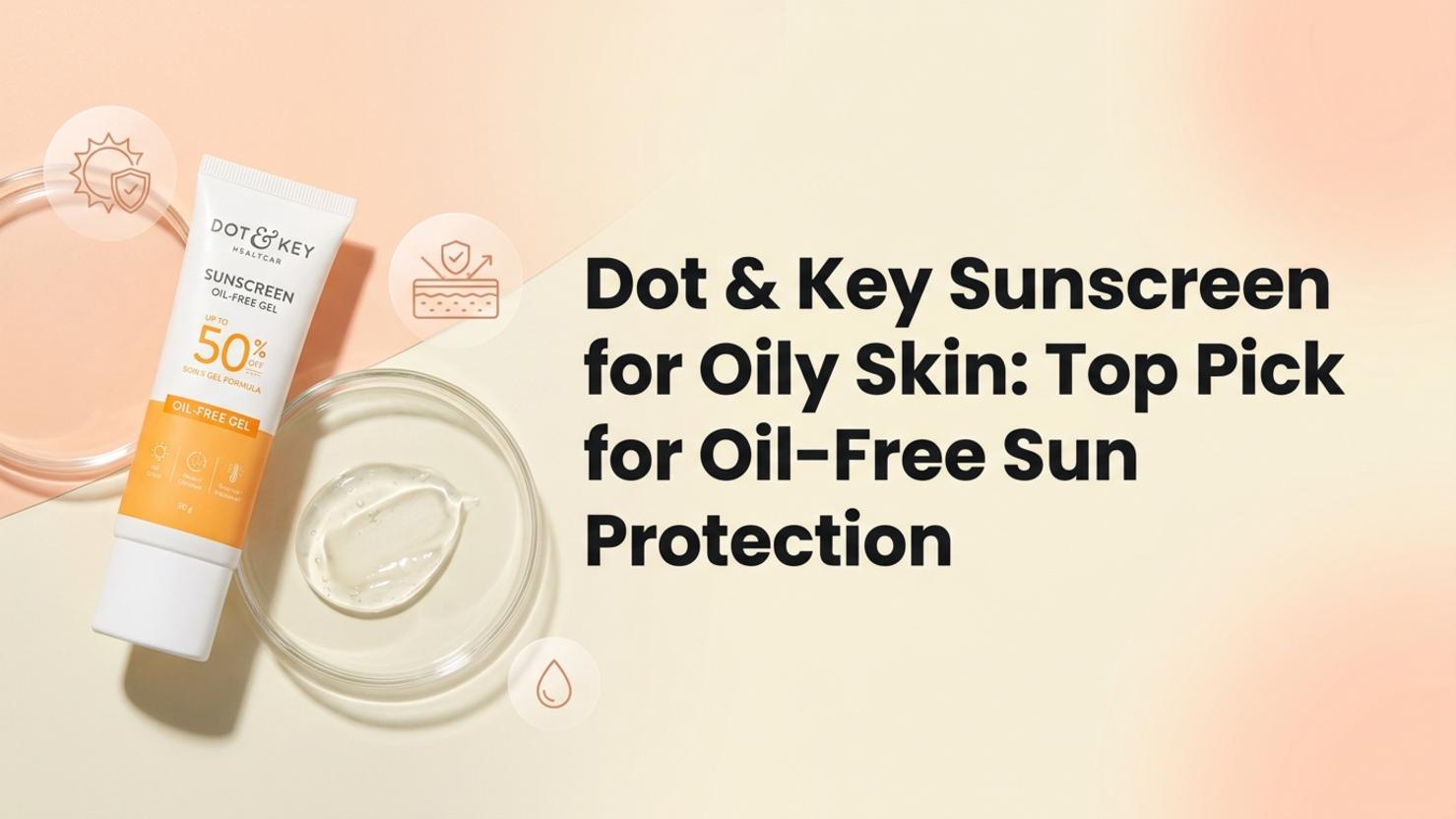
Dot & Key Blueberry Hydrate Barrier Repair Sunscreen SPF 50+ PA++++: Expert Review

This advanced sunscreen is specially formulated for Indian skin and weather. The key features include:

  • SPF 50+: Superior UVB protection, perfect for Indian summers
  • PA++++: Highest UVA protection, crucial against premature aging
  • Blueberry antioxidants: Help combat free radical damage
  • Hydrate Barrier technology: Supports skin moisture barrier for long-lasting hydration
  • Lightweight & non-greasy: Absorbs quickly, suitable for all skin types
  • Minimal white cast: Cosmetic elegance for all skin tones

Dermatologists recommend reapplying every two hours, especially if swimming or exposed to direct sun. The formulation is gentle, suitable for everyday use, and works well under makeup.

SPF 30 vs 50: Which One to Choose in Daily Life?

For Everyday Indoor and Limited Outdoor Exposure

SPF 30 may suffice if you’re largely indoors or have minimal sun contact. Still, most people underapply sunscreen, so a higher SPF can help compensate.

For Prolonged Outdoor Activities

Opt for SPF 50+, especially for sports, beach trips, outdoor work, or travel. The innovative protection of Dot & Key Blueberry Hydrate Barrier Repair Sunscreen SPF 50+ PA++++ ensures you’re guarded against multiple facets of UV damage.

For Sensitive or Treated Skin

Choose SPF 50+ to protect fragile or recently treated skin against sunburn and pigmentation risks.

How to Use Sunscreen Effectively

The right sunscreen is only effective when applied correctly:

  • Apply a generous layer (about half a teaspoon for the face and neck).
  • Apply 15-30 minutes before sun exposure.
  • Reapply every two hours, or immediately after sweating or swimming.
  • Don't forget ears, neck, and the back of your hands.

Pairing sunscreen use with hats, sunglasses, and protective clothing further boosts your skin’s defense.

Frequently Asked Questions (FAQs)

What is the main difference between SPF 30 and SPF 50 sunscreens?

The main difference is the percentage of UVB rays blocked. SPF 30 blocks about 97% of UVB rays, while SPF 50 blocks about 98%. While the difference is small, SPF 50 provides a higher margin of safety, especially during prolonged or intense sun exposure.

Is SPF 50 necessary for daily use on Indian skin?

SPF 50 is not always necessary if you have minimal sun exposure. However, given the Indian climate and the tendency to underapply sunscreen, SPF 50 offers extra security, making it a safer everyday choice for most Indians.

Can I use Dot & Key Blueberry Hydrate Barrier Repair Sunscreen SPF 50+ PA++++ under makeup?

Yes, this sunscreen is lightweight, non-greasy, and absorbs easily, making it suitable for use under makeup. Its advanced formula leaves minimal white cast and hydrates, ensuring a smooth base.

Does SPF 50 mean I don't need to reapply during the day?

No. Regardless of SPF rating, you must reapply sunscreen every two hours, especially after sweating, swimming, or towel drying. Regular reapplication ensures continued protection.

Where can I learn more about sun safety and related skin health topics?

For more detailed information and the latest health tips, visit our Blog.

Conclusion

Choosing between SPF 30 and SPF 50 depends on your lifestyle, skin type, and sun exposure habits. In India’s climate, with strong sun and high UV index, SPF 50+ sunscreens — like Dot & Key Blueberry Hydrate Barrier Repair Sunscreen SPF 50+ PA++++ — offer a superior, more consistent level of protection for all skin types. Pair with proper usage habits and other sun-safe measures for the healthiest, most radiant skin possible. Make sunscreen a daily essential and step confidently into the sun, knowing your skin is protected.

Disclaimer: This article is intended for informational purposes only and should not be considered a substitute for professional medical advice. Always consult a qualified healthcare provider for diagnosis and treatment of any health condition.

Popular Products