Skin fungus infections are a prevalent health issue that can cause discomfort, itching, and embarrassment. These infections occur when fungi overgrow on the skin, leading to various skin conditions. Understanding the types of skin fungus and their symptoms is crucial for effective treatment and prevention. In this blog, we will explore the different types of skin fungal infections, their symptoms, what causes fungus on the skin, and how to treat them effectively.
Understanding Skin Fungal Infections
Fungi are organisms that thrive in warm, moist environments. While some fungi are beneficial, others can lead to infections on the skin. Skin fungal infections can affect anyone, regardless of age or health status.
Common Types of Skin Fungal Infections
There are several skin fungus types, each with unique characteristics. Here are some of the most common fungal infections:
1. Athlete’s Foot (Tinea Pedis)
Athlete’s foot is a contagious fungal infection that typically affects the feet. It often occurs in individuals who sweat heavily or have damp feet due to tight footwear.
Symptoms:
- Itching and burning between the toes
- Redness and peeling skin
- Blisters and cracked skin
Treatment: Topical antifungal creams, such as Itch Guard Plus Cream, can be effective in treating athlete’s foot.
2. Ringworm (Tinea Corporis)
Ringworm is a highly contagious fungal infection characterized by ring-shaped red patches with clear centers. It can occur on any part of the body.
Symptoms:
- Circular, red patches on the skin
- Itching and inflammation
- Scaly skin
Treatment: Topical antifungal treatments and oral medications for severe cases.
3. Jock Itch (Tinea Cruris)
Jock itch primarily affects the groin area and is common among individuals who sweat heavily or wear tight clothing.
Symptoms:
- Red, itchy rash in the groin area
- Flaky skin
- Burning sensation
Treatment: Over-the-counter antifungal creams and powders can provide relief.
4. Candidiasis (Yeast Infection)
Candidiasis is caused by an overgrowth of Candida yeast, which can lead to infections in warm, moist areas such as the armpits and groin.
Symptoms:
- Red, inflamed patches
- Itching and discomfort
- White, cheesy discharge (in the case of genital yeast infections)
Treatment: Topical antifungal creams and oral antifungal medications may be necessary.
5. Seborrheic Dermatitis
This condition is often caused by a fungus known as Malassezia, leading to scaly patches and red skin, usually on the scalp or face.
Symptoms:
- Flaky skin
- Oily or scaly patches
- Redness
Treatment: Medicated shampoos and topical treatments can help manage symptoms.
Symptoms of Skin Fungal Infections
Recognizing the symptoms of skin fungal infections early can help in effective treatment. Common symptoms include:
- Itching: Persistent itching is often one of the first signs of a fungal infection.
- Redness and Inflammation: Infected areas may appear red and swollen.
- Flaking or Peeling Skin: Fungal infections often lead to dry, flaky skin.
- Blisters or Pustules: Some infections can cause blisters, which may ooze or crust over.
What Causes Fungus on Skin?
Understanding the causes of fungal infections can help prevent their occurrence. Here are some common factors that contribute to skin fungus:
- Moisture and Heat: Fungi thrive in warm, damp environments. Areas prone to sweating, such as the feet and groin, are particularly susceptible.
- Poor Hygiene: Infrequent washing can lead to an overgrowth of fungi on the skin.
- Weakened Immune System: Individuals with compromised immune systems are at higher risk for fungal infections.
- Tight Clothing: Wearing tight or non-breathable clothing can trap moisture against the skin, encouraging fungal growth.
- Close Contact: Fungal infections can be contagious and spread through direct contact with an infected person or contaminated surfaces.
How to Treat Skin Fungal Infections
Treating skin fungal infections often involves a combination of home remedies and medical treatments. Here are some effective strategies:
1. Topical Antifungal Treatments
Over-the-counter antifungal creams and ointments can effectively treat mild fungal infections. Popular options include:
- Clotrimazole: Commonly used for athlete’s foot and ringworm.
- Miconazole: Effective for various fungal skin infections.
For persistent infections, consider using Itch Guard Plus Cream, which targets a range of fungal infections while providing relief from itching and irritation. You can find it here.
2. Oral Antifungal Medications
For severe or widespread fungal infections, a healthcare provider may prescribe oral antifungal medications, such as fluconazole or itraconazole. These medications help eliminate the fungus from within the body.
3. Natural Remedies
Natural remedies can also be effective for treating skin fungus. Some popular options include:
- Tea Tree Oil: Known for its antifungal properties, tea tree oil can be applied directly to the infected area.
- Apple Cider Vinegar: This can help balance the skin's pH and inhibit fungal growth when diluted with water and applied topically.
- Garlic: Crushing fresh garlic and applying it to the affected area may help fight off fungal infections due to its antifungal properties.
4. Maintain Good Hygiene
Practicing good hygiene is crucial in treating and preventing fungal infections. Here are some tips:
- Keep the Affected Area Clean and Dry: Regularly wash the infected area with soap and water, and ensure it is thoroughly dried.
- Wear Breathable Clothing: Choose loose-fitting, breathable fabrics to allow air circulation and reduce moisture buildup.
5. Avoid Scratching
Scratching the infected area can worsen the condition and lead to secondary infections. It's essential to resist the urge to scratch and seek treatment instead.
Preventing Skin Fungal Infections
Prevention is key to avoiding skin fungal infections. Here are some practical tips:
- Practice Good Hygiene: Regular bathing and thorough drying of the skin can help prevent fungal overgrowth.
- Change Clothes Regularly: After exercising or sweating, change into dry clothes promptly.
- Avoid Sharing Personal Items: Fungi can spread through shared towels, clothing, and grooming items.
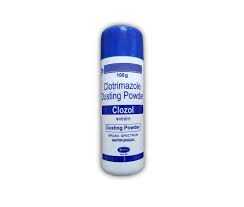
- Use Antifungal Powder: Consider applying antifungal powder in areas prone to moisture, such as the feet and groin.
When to Seek Medical Attention
While many skin fungal infections can be treated at home, there are instances where professional medical help is necessary. You should consult a healthcare provider if:
- The infection worsens or spreads despite treatment.
- You experience severe pain, swelling, or fever.
- Over-the-counter treatments do not improve your symptoms.
Conclusion
Skin fungus can lead to various uncomfortable conditions, but with the right knowledge and treatment, they can be effectively managed. Understanding the types of skin fungus, their symptoms, and treatment options is essential for anyone dealing with these infections. Whether through over-the-counter treatments, natural remedies, or professional care, various options are available to help restore your skin health. Always remember that practicing good hygiene and being aware of the risk factors can significantly reduce the likelihood of fungal infections. If you’re looking for effective relief, consider using Itch Guard Plus Cream to address your fungal skin issues. You can find it here. By being proactive about your skin health, you can keep fungal infections at bay and enjoy clearer, healthier skin.




 0
0